
NEWS
Independence: Kefas Announces N2.5bn Interventions, Clemency for 24 Inmates


From John Lamma, Jalingo
Taraba State Governor, Dr. Agbu Kefas, has announced fresh interventions worth ₦2.5 billion to support vulnerable households, empower youths and assist communities affected by crises in the state.
Kefas made the announcement in a statewide broadcast on Thursday to mark Nigeria’s 66th Independence Anniversary.
The package comprises ₦500 million for the six-month TARABA CARES Social Investment and Poverty Relief Programme, an additional ₦1 billion for the Taraba State Youth Development Agency and another ₦1 billion for relief and recovery in crisis-affected communities, particularly in Karim Lamido and other affected areas.
The governor said TARABA CARES would run from October 2026 to March 2027 and would provide practical support to vulnerable families while creating opportunities for people to sustain their livelihoods.
He said the programme was first announced during activities marking Taraba State’s 35th anniversary in August.
Kefas also announced the Taraba State 168-Ward Quick Impact Development Programme, which he said would be unveiled before the end of October.
Under the programme, each of the 168 wards in the state will receive a small but visible project based on genuine local needs.
He said communities would participate in identifying priorities, while the programme would be assessed based on projects completed and benefits delivered to residents.
Beginning in 2027, the governor said the state would introduce the Taraba Teachers’ Welfare, Professionalisation and Housing Programme.
He said a time-bound implementation committee would consult teachers and their unions, review welfare and professional standards, examine sustainable salary improvements and develop a realistic housing programme, particularly for rural and underserved communities.
Kefas also announced plans to harness Taraba’s aquatic resources, including rivers, lakes, dams and wetlands, for fisheries, food security and employment.
He said the government would map the resources, support fish production and processing, strengthen market facilities and create opportunities for youths, women and fishing communities.
On infrastructure, the governor expressed concern over the hardship caused by the collapse of the Namnai Bridge along the Jalingo-Wukari federal highway.
He described the bridge as an economic link connecting families, farms, markets and communities.
Kefas appreciated President Bola Ahmed Tinubu, the Federal Ministry of Regional Development and the North East Development Commission for awarding and commencing the reconstruction of the bridge.
He, however, said progress had not matched the urgency of the situation and directed the State Ministry of Works and Infrastructure, working with the Secretary to the State Government, to engage the NEDC, Federal Ministry of Regional Development and the contractor handling the project.
On the state’s finances, Kefas said his administration inherited debts and other obligations which it had continued to service alongside salaries, pensions, public services, security and development projects.
He said the state had accessed, and could continue to access where necessary, lawful financing facilities.
The governor directed the relevant financial authorities to make available a clear and reconciled statement showing Taraba’s verified debt position, inherited obligations, amounts drawn, repayments made, debt-servicing requirements and projects financed.
He said citizens had the right to ask what the government borrowed, why it borrowed, how the funds would be repaid and what had been delivered.
Kefas reaffirmed that ongoing pension payments would continue, saying pensioners deserved respect and dignity for their years of service.
On electricity, the governor welcomed the September 17, 2026 decision of the International Chamber of Commerce tribunal concerning the proposed Mambilla Hydroelectric Power Project.
He said the decision had removed a major legal obstacle that had delayed the proposed project.
Kefas said Taraba had considerable potential for small and medium hydropower, solar energy and other forms of electricity generation.
He directed the Taraba State Electricity Commission and other relevant institutions to assess suitable sites, consult host communities and prepare credible investment opportunities through transparent processes.
The governor also announced measures to regulate artisanal mining in the state.
He said a meeting would be held on October 3 with the Taraba State Artisanal Mining Association, host communities, government institutions, health and environmental professionals and other stakeholders.
According to him, the meeting would focus on registration, designated mining areas, safety, mercury control, environmental restoration, water protection, the prohibition of child labour and safer mining technology.
On security, Kefas reaffirmed his administration’s commitment to protecting lives and property and strengthening collaboration with security agencies.
He called on traditional rulers, religious leaders, parents and community leaders to support peace and provide timely information to the appropriate authorities.
The governor also urged youths to reject cultism, political thuggery and violence.
Kefas announced the exercise of the prerogative of mercy in favour of 24 inmates whose cases had been reviewed.
He said the decision was taken pursuant to Section 212 of the 1999 Constitution, as amended, and followed consultation with the Taraba State Advisory Council on the Prerogative of Mercy.
He said the decision was guided by the law, the interests of justice, evidence of rehabilitation and humanitarian considerations.
The governor said his administration had not solved every problem or reached every community but maintained that Taraba was no longer where it found it.
He said the government would continue to focus on education, healthcare, roads, bridges, water, electricity, agriculture, workers’ welfare, pensions and security.
Kefas also said the government would continue to support children, older persons, persons living with disabilities and other vulnerable citizens.
He urged citizens to demand accountability over government borrowing and spending, while assuring that the state’s resources would be used for its development.
The governor congratulated President Tinubu and the Federal Government on Nigeria’s reported outcome in the international arbitration concerning the Mambilla Hydroelectric Power Project.
He said his administration would continue to work towards strengthening Taraba’s revenue base, developing productive assets and improving the state’s capacity to meet its obligations.
Kefas called on Tarabans to preserve peace and support the development of the state, saying the future of the state’s children would remain central to government decisions.
By David Torough, Abuja
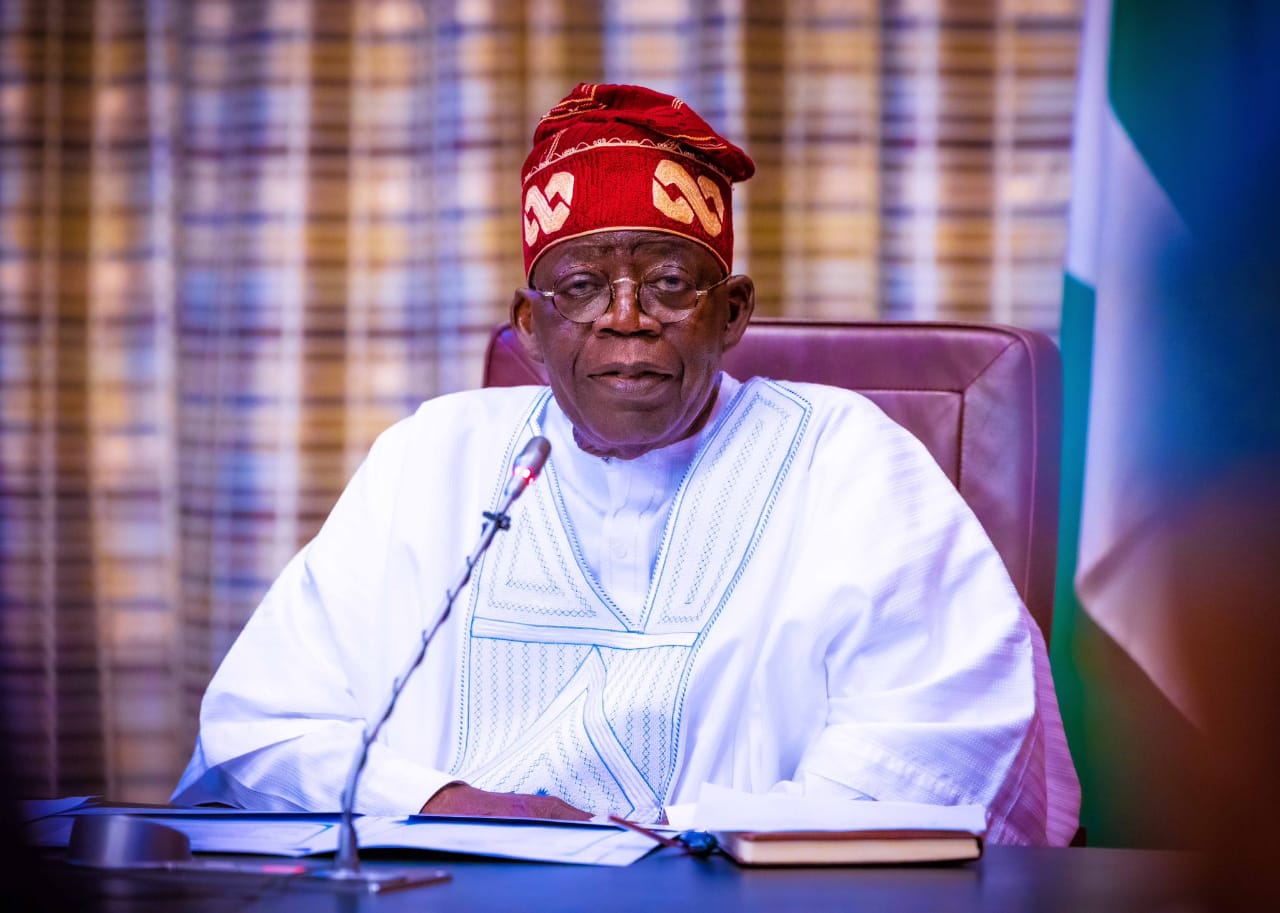
President Bola Tinubu on Thursday used Nigeria’s 66th Independence Anniversary address to declare that the country had moved beyond the difficult phase of economic reforms and entered what he described as the “age of prosperity,” while opposition figures Atiku Abubakar and Peter Obi offered sharply contrasting assessments of the nation’s condition.
In his national broadcast, Tinubu defended the economic policies implemented since he assumed office in 2023, arguing that difficult reforms were necessary to correct longstanding distortions and put the economy on a stronger footing.
He said the next phase of his administration would focus on translating economic stability into lower living costs, jobs, industrial production and broader prosperity.The President said economic growth had exceeded four per cent in 2026, while oil theft had declined, inflation had fallen from its peak, foreign reserves had been rebuilt and the foreign-exchange market had stabilised. He also pointed to more than $6 billion in non-oil export revenue recorded in 2025 as evidence of growing economic activity.
“The age of reform has done its work. Now begins the age of prosperity,” Tinubu declared, outlining plans to reduce the cost of food and transportation through increased agricultural production, mechanised farming, improved storage and transportation infrastructure.
He also promised greater investment in industry, gas-powered manufacturing, digital connectivity, skills development and access to finance, while highlighting social interventions including the National Social Register, the Nigerian Education Loan Fund and CREDICORP.
Tinubu acknowledged that millions of Nigerians were still struggling with food, school fees, healthcare and transportation costs. He argued, however, that these problems predated his administration and reflected decades of inadequate productivity, infrastructure and opportunity.
The President said his administration could not reverse in four years problems accumulated over generations but could change their direction.
Former Vice-President Atiku Abubakar, in his Independence Day response, disputed the President’s assessment and argued that economic indicators had yet to translate into improved living conditions for many households.
Atiku said Tinubu’s address was dominated by promises of what the government “will” do, despite the administration having been in office for more than three years. He pointed to the continuing pressure on food, transport and household incomes, arguing that a reduction in the rate at which prices rise does not necessarily restore purchasing power already lost.
He questioned the impact of fuel-subsidy removal on households and proposed a capped, budgeted production subsidy for petrol refined in Nigeria, including fuel produced by modular refineries. He also raised questions about government borrowing, infrastructure contracts, cash-transfer programmes and fiscal management.
Atiku’s intervention framed the central economic disagreement around a question of whether macroeconomic improvements are translating into affordable living conditions for ordinary Nigerians.
The presidential candidate of the Nigeria Democratic Congress, Peter Obi, also used the anniversary to call for what he described as a structural change in governance.
Obi cited poverty, unemployment and underemployment, insecurity, displacement, educational challenges and inadequate healthcare as evidence that Nigeria’s resources were not yet translating sufficiently into improved living standards. His reported figures on poverty and other social indicators are his own claims and should be distinguished from independently established statistics.
Drawing on a recent visit to an internally displaced persons camp in Sokoto, Obi said the conditions encountered there illustrated the human consequences of insecurity and inadequate public services.
He called for governance to become more measurable and accountable, saying public resources should be deployed principally for citizens’ welfare and productivity. He also pledged, if elected, to prioritise security, healthcare, education and economic opportunity.
The three Independence Day messages present markedly different interpretations of Nigeria’s condition at 66.
For Tinubu, the central story is one of economic correction followed by a transition to growth and prosperity. For Atiku, the key measure is what households can actually afford amid high living costs. For Obi, the focus is whether government spending and national resources are producing measurable improvements in human development, security and productivity.
The competing arguments come as the country looks toward the next general election cycle, with both Atiku and Obi positioning their proposed alternatives around affordability, accountability, security and the use of public resources.
Ultimately, the anniversary debate has shifted from whether Nigeria requires economic change to how the success of that change should be measured: through macroeconomic indicators and investment, as emphasised by the government, or through household purchasing power, employment, security and access to essential services, as stressed by its critics.
For millions of Nigerians, the answer is likely to be judged less by competing speeches than by whether the promised improvements become visible in food prices, wages, jobs, transport costs, security and household living standards.
By Tony Obiechina, Abuja
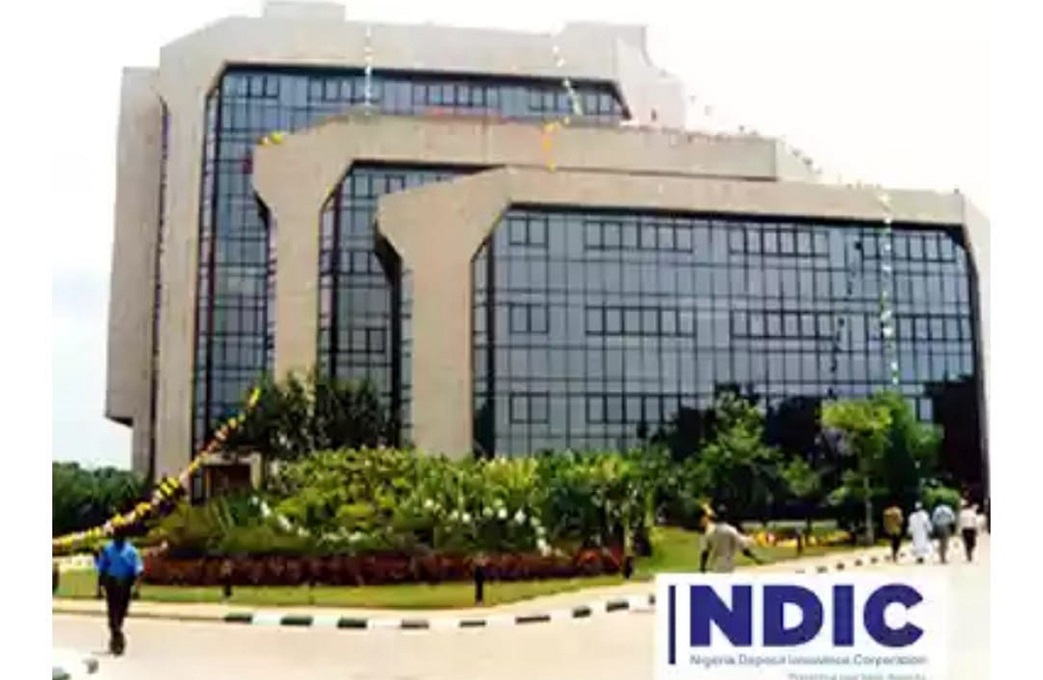
The Nigeria Deposit Insurance Corporation (NDIC) has appealed to Nigerians to keep their savings in licensed and regulated financial institutions, warning that placing funds with unlicensed managers or unregulated schemes can have devastating consequences.
The Managing Director and Chief Executive of the NDIC, Thompson Oludare Sunday, made the appeal in a keynote address at the corporation’s Special Day at the 21st Abuja International Trade Fair, organised by the Abuja Chamber of Commerce, Industry, Mines and Agriculture.
Sunday said some Nigerians still keep substantial funds outside the formal banking system or hand their savings to unlicensed fund managers, attracted by promises of extraordinary and unrealistic returns.
He pointed to the repeated collapse of Ponzi schemes as proof of the heavy financial and emotional cost of such choices.
“If an investment promise sounds too good to be true, Nigerians should pause, ask questions and verify before committing their money,” he advised.
The NDIC boss commended the Chamber for sustaining the fair for 21 consecutive years.
He described this year’s theme, “Resilience: Trade, Taxation and the Economy,” as timely and strategic, saying it speaks to an economy undergoing bold reforms in line with the Federal Government’s vision of a $1 trillion economy by 2030.
He said the NDIC has remained a critical pillar of Nigeria’s financial safety net for over three decades through deposit guarantee, bank supervision in collaboration with the Central Bank of Nigeria (CBN), failure resolution and bank liquidation.
According to him, every thriving business needs a trusted financial system that can safeguard its working capital, facilitate payments and support access to credit.
Sunday recalled that the corporation raised its deposit insurance coverage in 2024. The maximum insured limit is now ₦5 million per depositor per Deposit Money Bank (DMB) and Mobile Money Operator (MMO), and ₦2 million per depositor per Microfinance Bank (MFB), Primary Mortgage Bank (PMB) and Payment Service Bank (PSB).
He said this gives full coverage to over 98 percent of depositors across insured institutions, protecting households, small businesses and other vulnerable depositors from the immediate effects of bank failure.
For depositors whose balances exceed the insured limits, he said the NDIC continues to pay liquidation dividends from the recovery of debts owed to failed institutions and the sale of their physical assets.
“Our objective is straightforward: no depositor should lose confidence in the banking system merely because an insured institution has failed,” he said.
The NDIC chief also said the corporation has moved from manual processes to faster digital reimbursement, using the Bank Verification Number (BVN), Single Customer View (SCV), NIBSS infrastructure and other tools.
Verified depositors of failed banks, he said, now receive their insured deposits within days of bank closure.
He added that the NDIC has positioned itself not merely as a payer of claims after a bank fails but as a Risk Minimizer that identifies vulnerabilities early and works to stop institutional problems from becoming systemic crises.
To this end, the corporation has deployed Risk Based Supervision, an enhanced Differential Premium Assessment System, the SCV Framework, a full distress resolution suite and the Bank Liquidation Management System, alongside stronger collaboration with the CBN and other members of the safety net.
Sunday announced that the NDIC launched an upgraded website, www.ndic.gov.ng, on September 19, 2026. He described it as a one-stop digital gateway for depositors and other stakeholders.
It displays the enhanced coverage limits, offers automated claims processing features and carries an upgraded directory for checking NDIC insured institutions. A one-click Quick Action Bar gives direct access to four key services: File Claim, Check Banks, Report Failed Bank and FAQs. The site also has an AI powered virtual assistant for faster access to information.
“This is more than a website upgrade. It is another step in our journey towards a more accessible, responsive and technology driven NDIC,” he said.
He urged depositors, creditors and shareholders of closed banks to use the digital platforms to process their claims.
Depositors can also speed up reimbursement, he said, by making sure their account information is accurate and consistent across banks and properly linked to their BVNs.
With the new technology, depositors no longer need to visit failed bank premises or NDIC offices for routine physical verification or carry large volumes of documents around.
Sunday stressed that technology and regulation alone cannot guarantee financial security, adding that financial literacy is the first line of defence for every depositor and business owner.
He encouraged businesses and the public to strengthen their financial literacy, embrace digital financial services responsibly, maintain sound financial practices and consult regulators when they need guidance.
He invited participants to visit the NDIC Pavilion at the fair, where officials are providing information on deposit insurance, depositor protection, claims processing and financial literacy.
The NDIC boss congratulated the Abuja Chamber of Commerce, Industry, Mines and Agriculture on hosting the 21st edition of the fair and thanked royal fathers, guests, exhibitors, participants and the media for honouring the corporation’s invitation.
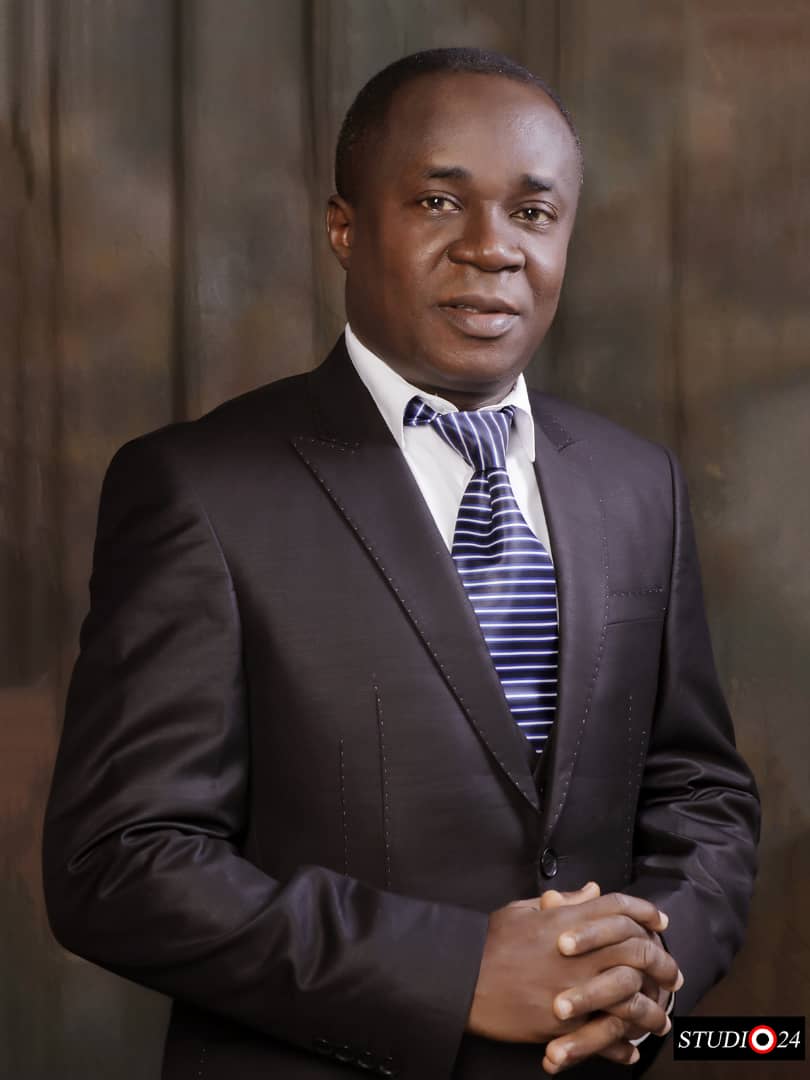
Prof Uche Uwaleke
President Bola Ahmed Tinubu’s 66th Independence Anniversary address, delivered against the backdrop of persistent economic hardship and heightened public expectations, raises an important question about the next phase of Nigeria’s economic journey: how does a country move from economic stabilization to shared prosperity? The President’s declaration that the age of reform has done its work and that the age of prosperity must now begin is both timely and consequential.
It recognizes, at least in principle, that the success of economic reforms cannot be measured solely by improvements in macroeconomic indicators but by their capacity to improve the material conditions of ordinary Nigerians.To appreciate the significance of this transition, it is necessary to acknowledge the circumstances in which the administration assumed office in May 2023. The economy was already experiencing serious structural and macroeconomic difficulties, including fiscal pressures, weak revenue mobilization, exchange rate distortions, inadequate investment and declining purchasing power. Years of policy inconsistencies, dependence on crude oil revenues, inefficient subsidies and insufficient investment in productive capacity had left the economy vulnerable. The country was drifting, and the need for difficult corrective measures was evident.
The removal of the petrol subsidy and the unification of the foreign exchange market, alongside other fiscal and monetary adjustments, represented a significant departure from the previous policy framework. These measures were not without substantial costs. Their immediate consequences included sharp increases in transportation, food and production costs, while inflationary pressures further eroded household incomes. For many Nigerians, the economic adjustment has been less an abstract policy exercise than a daily struggle to afford food, pay rent, meet school fees and access healthcare.
Nevertheless, a fair assessment must recognize that the reforms have contributed to addressing some of the distortions that constrained the economy. As the President indicated in his address, improvements in foreign exchange market stability, external reserves, government revenue and economic growth suggest that the economy is on a path of recovery. The reported contribution of both oil and non-oil sectors to growth, alongside the expansion of non-oil exports, provides grounds for cautious optimism. The reforms have helped create a more sustainable basis for economic management, although the durability of these gains will depend on policy consistency, institutional discipline and the capacity to expand productive activity.
The key challenge has therefore changed. It is no longer sufficient to demonstrate that the economy is growing or that macroeconomic indicators are improving. The more pressing task is to ensure that the benefits of growth are widely distributed and that economic recovery translates into improved living standards. This is the real test of the President’s transition from reform to prosperity.
Perhaps the most immediate priority is to bring down the cost of living, as the President rightly identified. The sustainable way to achieve this is not through price controls or temporary administrative interventions that distort markets, but by reducing the cost of producing, processing, transporting and distributing goods and services. Nigeria must move decisively from an economy in which too much attention is paid to managing the consequences of high prices to one in which the underlying causes of high production costs are systematically addressed.
Food inflation deserves particular attention because food accounts for a substantial proportion of household expenditure, especially among low-income families. Nigeria possesses considerable agricultural potential, yet its food production system remains constrained by low mechanization, inadequate irrigation, insecurity in farming communities, poor rural roads, limited storage, high post-harvest losses and insufficient access to affordable finance. The result is a paradox in which a country with extensive arable land and a large agricultural workforce struggles to make food affordable to its citizens.
The President’s commitment to expanding mechanized irrigation, improving access to seeds and fertilizer, supporting mechanization and investing in storage and transportation is therefore important. However, these commitments must be translated into a coordinated national agricultural productivity programme with measurable targets, clear institutional responsibilities and adequate funding. The emphasis should be on raising output per hectare, increasing multiple cropping, improving yields, reducing post-harvest losses and strengthening the linkages between farmers, agro-processors and domestic markets.
A particularly useful intervention would be the revival, in a modernized form, of the Directorate of Food, Roads and Rural Infrastructure, popularly known as DFRRI, established during the administration of General Ibrahim Babangida. The underlying logic of the programme was to bring development closer to rural communities by addressing the interconnected challenges of food production, rural access and basic infrastructure. Its relevance today lies in the recognition that national development cannot be achieved by concentrating investment in major urban centres while rural communities, where much of the country’s agricultural production takes place, remain disconnected from markets and essential services.
A renewed DFRRI-type programme should not simply reproduce the institutional arrangements of the past. It should be redesigned as a community-centred rural productivity and infrastructure initiative, jointly implemented by federal, state and local governments, with clear accountability mechanisms and measurable outcomes. Its priorities should include feeder roads, small-scale irrigation, rural electrification, water supply, produce aggregation centres, storage facilities, primary healthcare access and market infrastructure.
Such a programme could accelerate grassroots development by connecting farming communities to markets, reducing transportation costs, improving access to agricultural inputs and creating employment through rural infrastructure projects. It would also provide a practical means of ensuring that economic recovery reaches communities that may otherwise remain disconnected from the benefits of national growth. The emphasis must be on functional infrastructure and productive assets rather than politically distributed projects that have little lasting economic value.
Beyond agriculture, the cost of energy remains a major constraint on domestic production. Manufacturers, small businesses and service providers continue to face high operating costs arising from unreliable electricity supply and dependence on alternative energy sources. The expansion of gas infrastructure, renewable energy, embedded generation and reliable grid supply must therefore become an integral component of the prosperity agenda. A reduction in energy costs would improve industrial competitiveness, encourage domestic production, reduce dependence on imported goods and create opportunities for employment.
The same logic applies to transportation and logistics. The completion of strategic roads, railways, ports and inland logistics infrastructure should be prioritized according to their economic returns and their capacity to reduce the cost of moving people and goods. A well-connected agricultural or industrial production centre can generate substantially greater economic value than an isolated project with limited linkages to productive activity. Infrastructure investment must consequently be evaluated not only by the amount spent or kilometres constructed but also by its contribution to productivity, trade and employment.
Industrialisation must occupy a central position in the transition to shared prosperity. Nigeria cannot sustainably address unemployment and poverty without expanding the productive sectors of its economy. The country needs a deliberate strategy to deepen domestic manufacturing, strengthen agro-processing, develop industrial clusters and encourage the production of goods for which Nigeria has a viable competitive advantage. This requires more than incentives and policy declarations. It demands reliable energy, efficient ports, affordable long-term finance, predictable taxation, effective trade facilitation and a stable regulatory environment.
The President’s emphasis on jobs and enterprise is particularly relevant in a country with a large and youthful population. The challenge is not merely to create more jobs, but to create productive, reasonably remunerated and sustainable employment. This requires stronger links between education and the labour market, expansion of technical and vocational training, apprenticeships, entrepreneurship support and investment in sectors capable of absorbing labour at scale. Young Nigerians should not be compelled to regard migration as their principal pathway to economic advancement. The domestic economy must offer credible opportunities to build careers, establish businesses and accumulate wealth.
However, while the structural reforms required to achieve prosperity are being implemented, the government must recognise that millions of Nigerians cannot wait indefinitely for the benefits of future growth. Social protection is therefore an indispensable component of the transition. The President’s commitment to strengthening support for vulnerable households is appropriate, but the conditional cash transfer programme, which constitutes one of the administration’s principal poverty reduction interventions, requires a fundamental redesign to improve transparency, targeting and public confidence.
Cash transfers can provide temporary relief and protect vulnerable households from severe economic shocks. Their effectiveness, however, depends on the credibility of beneficiary identification, the integrity of payment systems, the adequacy of transfer amounts and the ability to monitor outcomes. A programme whose beneficiaries cannot be independently verified, or whose selection and payment processes are insufficiently transparent, risks excluding deserving households, creating opportunities for abuse and weakening public trust.
I recommend that the government should replace the existing approach with a more transparent, independently verifiable and better-targeted social protection framework. A strengthened social register should be regularly updated and linked, with appropriate privacy safeguards, to credible data from relevant government institutions. Community-based verification should complement digital identification to ensure that people in remote and underserved communities are not excluded simply because they lack formal documentation or digital access.
The payment architecture should permit traceability, independent audit and public reporting of aggregate programme performance. Clear eligibility criteria, accessible grievance redress mechanisms and periodic impact assessments should be institutionalized. Transfers should also be designed to complement, rather than substitute for, programmes that improve livelihoods, including skills acquisition, agricultural support, primary healthcare, nutrition and access to education. The objective should be to move vulnerable households from temporary income support towards greater economic security and self-reliance.
Another critical requirement is stronger coordination between fiscal and monetary authorities. The achievement of shared prosperity cannot be the responsibility of one institution or one policy instrument. Equally important is the collaboration of federal, state and local governments. The President’s prosperity agenda cannot succeed if it remains largely a federal government programme. States and local governments are closest to many of the services and productive activities that determine the welfare of citizens. Agriculture, primary healthcare, basic education, rural roads, markets, sanitation and local economic development require effective intergovernmental cooperation.
The increased fiscal resources available to subnational governments should be translated into visible improvements in service delivery and productive infrastructure. States should develop economic programmes around their comparative advantages, whether in agriculture, manufacturing, tourism, solid minerals or services, while local governments should be empowered to address community-level infrastructure and development priorities. Intergovernmental fiscal transfers should be accompanied by transparent budgets, measurable performance indicators, procurement accountability and independent monitoring.
There is also a compelling case for a more deliberate focus on the informal sector, which provides livelihoods for a large number of Nigerians. Simplified business registration, affordable digital payment systems, micro-insurance, access to working capital, vocational training and basic social protection can help informal enterprises become more productive and resilient. Formalization should be encouraged through benefits and accessible services rather than excessive regulatory burdens. A more productive informal sector would contribute to employment, household income, domestic demand and government revenue.
The President’s declaration that the objective is not merely to manage poverty more efficiently but to defeat it is a desirable statement. Its realization, however, requires a shift from a predominantly macroeconomic conception of recovery to a comprehensive productivity and human development agenda. The government must measure progress through indicators that speak directly to the lives of citizens: changes in real household income, food affordability, employment quality, poverty levels, school attendance, healthcare access, business survival and the reliability of essential infrastructure.
These indicators should be regularly published and independently assessed so that the public can evaluate whether the promised transition is taking place. Economic communication should move beyond aggregate growth figures to explain how reforms are affecting households, what corrective measures are being taken where outcomes fall short and how public resources are being deployed to accelerate inclusive development.
All said, the President’s 66th Independence Anniversary address presents an opportunity to redefine the social contract between government and citizens. Nigerians have endured significant economic adjustments, and the expectation of a tangible improvement in their welfare is legitimate. The government must now demonstrate that the sacrifices associated with reform are producing durable benefits and that the recovery is not confined to financial statistics or the balance sheets of institutions.
At 66, Nigeria has an opportunity to turn economic stabilization into a new development compact centred on productivity, jobs, affordability and human dignity. The President has articulated the destination. The task before his administration and the wider Nigerian state is to establish the policies, institutions and implementation mechanisms that will take the country there.
Prof Uche Uwaleke is the Director of the Nasarawa State University Institute of Capital Market Studies and President of the Capital Market Academics of Nigeria.



Independence: Kefas Announces N2.5bn Interventions, Clemency for 24 Inmates
ShareFrom John Lamma, Jalingo Taraba State Governor, Dr. Agbu Kefas, has announced fresh interventions worth ₦2.5 billion to support vulnerable...

Nigeria at 66: Tinubu Sees ‘Promised Land’, Atiku, Obi Differ
ShareBy David Torough, Abuja President Bola Tinubu on Thursday used Nigeria’s 66th Independence Anniversary address to declare that the country...

NDIC Warns Nigerians against Patronising Unlicensed Banks
ShareBy Tony Obiechina, Abuja The Nigeria Deposit Insurance Corporation (NDIC) has appealed to Nigerians to keep their savings in licensed...

Gunmen Raid Three Houses, Kill Man, Abduct Eight in Kaduna
ShareBy David Torough, Abuja Suspected bandits have killed a resident and abducted eight people who remain in captivity during an...


From Reform to Shared Prosperity: The Real Test of Nigeria’s Economic Recovery
ShareProf Uche Uwaleke President Bola Ahmed Tinubu’s 66th Independence Anniversary address, delivered against the backdrop of persistent economic hardship and...

Insecurity: FCTA Completes Ushafa, Saburi Divisional Police Headquarters, 10 Underway
ShareBy Laide Akinboade, Abuja In order to boost security, the Federal Capital Territory Administration (FCTA) on Wednesday said it has...

2027: I ‘ll Resign As Minister If Tinubu Loses FCT, Rivers – Wike
ShareBy Laide Akinboade, Abuja The Minister of the Federal Capital Territory (FCT), Nyesom Wike, has declared that he will step...


JAMB Extends Deadline for 2021–2025 Outstanding Admissions to Nov 30
ShareThe Joint Admissions and Matriculation Board (JAMB) has extended the deadline for candidates with outstanding admission offers from the 2021...


BIPC Board Inspects Taraku Mills Preparatory to Test Running
ShareFrom Attah Ede, Makurdi The Board of Directors of the Benue Investment and Property Company Limited (BIPC) has inspected the...


UBEC Renovates 287 Schools, over 4,000 Classrooms Nationwide
ShareThe Universal Basic Education Commission (UBEC) said it has renovated 287 schools and more than 4,000 classrooms across the country...