
OPINION
Leveraging the North-Central Development Commission for Inclusive Growth

By Mark Longyen
For decades, communities in the North-Central region have endured poor roads, abandoned farmlands, and the scars of violent conflicts that displaced thousands of families.From the flooding of villages in Niger to the violent attacks in Benue and Plateau, many residents have long felt trapped in a cycle of neglect.
Now, the recent creation of the North-Central Development Commission (NCDC) by President Bola Tinubu has raised fresh hopes that these challenges may finally receive the sustained attention they deserve. Analysts and stakeholders say the new commission is a long-overdue political and developmental masterstroke.They argue the commission offers a pathway to combat insecurity, economic hardship, and environmental decline in a resource-rich region that continues to rank among Nigeria’s most neglected.The North-Central, which comprises Plateau, Benue, Nasarawa, Kogi, Kwara, Niger, and the Federal Capital Territory, is home to about 28 million people, roughly 12 percent of Nigeria’s population.Yet, its vast potential has remained largely untapped.Over the past two decades, Nigeria has continuously resorted to creating regional development commissions as institutional vehicles to tackle localised crises.For instance, the Niger Delta Development Commission (NDDC), established in 2000, was designed to address decades of underdevelopment, oil spills, and militancy in the oil-rich Niger Delta.In spite of challenges of corruption and mismanagement, it has recorded some infrastructural interventions such as road networks, scholarship schemes, and health projects.Similarly, the North-East Development Commission (NEDC), created in 2017, was born out of the devastation caused by the Boko Haram insurgency.It has since rolled out resettlement programmes for Internally Displaced Persons (IDPs), rebuilt schools and health facilities, and invested in agriculture and renewable energy to revitalise livelihoods.In comparison, the newly created NCDC, established in 2024, covers six north-central states and the FCT with an estimated population of 28 million people.Its take-off budget of N140 billion in 2025 is targeted at infrastructure, agriculture, solid minerals, IDP resettlement, ecological restoration, and security.By contrast, the NEDC, with a population coverage of about 26 million people across six states, had a N55 billion take-off fund in 2019, which rose to N146 billion in 2023.The NDDC, covering nine Niger Delta states with over 31 million people, began with a N100 billion allocation and has since expanded its funding, focusing largely on infrastructure, environmental remediation, and human capital development.The NCDC, domiciled under the Ministry of Regional Development, has been tasked with reconstructing infrastructure, providing healthcare and education, tackling ecological degradation, and fostering multi-sectoral growth.Its take-off budget of N140 billion in the 2025 fiscal year signals strong political commitment.Beyond physical infrastructure, the commission also carries a peace-building mandate.For a region scarred by banditry, terrorism, and illegal mining-related conflicts, this responsibility is as critical as road construction or agricultural modernisation.With its management board now inaugurated, the NCDC is headed by Dr Cyril Tsenyil, a distinguished chartered accountant and former Accountant-General of Plateau, as Managing Director.He is joined by Cosmas Akyhir (Chairman, Benue), Princess Atika Ajanah (Executive Director, Projects, Kogi), and other representatives from Kwara, Nasarawa, and Niger states.Observers believe the calibre of the leadership team, coupled with Tsenyil’s track record in revenue reforms in Plateau, inspires confidence that the commission can deliver results.The region faces enormous challenges.Illegal mining activities in Plateau and Niger have worsened environmental degradation and triggered devastating floods.Major highways like the Abuja-Lokoja, Jos-Akwanga, and Ilorin-Jebba corridors remain in poor condition, constraining trade and mobility.Moreover, decades of industrial decline, such as the moribund Jos tin mines and the stagnated Ajaokuta steel mills, have left thousands of youths unemployed.Yet, stakeholders see these very challenges as opportunities.Gov. Abdullahi Sule of Nasarawa, who also chairs the North-Central Governors’ Forum, said the commission’s creation was not just about insecurity but about “all-round development”.He stressed that states in the zone would work together, alongside consultants, to design strategies tailored to their peculiar needs.According to him, contrary to the general perception that development commissions are established mainly to address insecurity, the NCDC will be a vehicle to transform the region and bring about all-round development, cutting across all sectors.He said the region’s leaders had already learned from the mistakes of other development commissions in the country.The NCDC, he added, would avoid such pitfalls and leverage collaboration for progress.Sule noted that, to chart the way forward, the commission would collaborate with member states and engage experts and consultants to come up with development strategies peculiar to the region.“We know our own peculiarity, we know what development means in our own region; therefore, we are going to collaborate and work together in synergy, and engage experts and consultants on development to achieve milestones,” he said.Also, Abdullahi Haruna, a public affairs analyst, said the establishment of the NCDC was a milestone in Nigeria’s developmental history and a clear demonstration of Tinubu’s foresight and commitment to national development.According to him, the NCDC is a long-overdue institutional framework to harness the region’s array of natural resources; such as lithium, tin, columbite, gold, agriculture, and waterways and unlock their potential.Haruna said that for the NCDC to succeed, it must leverage the region’s comparative advantage in solid mineral resources, champion an industrialisation drive that prioritises solid minerals, and fully utilise them for local and international markets.He said the commission should encourage investment in solid mineral refining, provide incentives for local and foreign companies to set up industries, and transform the region’s mining resources into industrial wealth.He also urged the NCDC to revive the region’s key industries, such as the moribund Jos tin mines and the stagnated Ajaokuta steel mills, to diversify the economy and reduce reliance on agriculture.“A well-structured mineral development fund under the NCDC could finance small and medium-scale mining enterprises, ensuring that local communities benefit directly from their natural wealth,” he said.Omojo Wada, another analyst, urged the commission to prioritise revitalising agriculture, which has long been the backbone of the region’s economy.He said the NCDC should provide modern farming tools, irrigation systems, and agro-processing industries to raise output and create economic opportunities.According to him, the establishment of agro-processing industrial parks would cut post-harvest losses, generate jobs, stimulate rural economies, and strengthen Nigeria’s food security.He said the NCDC must also take the lead in developing inland water transport systems, constructing river ports, and promoting commercial activities along these waterways.“By investing in smart irrigation schemes, the region’s vast arable land can be cultivated all year round, reducing reliance on rain-fed agriculture and enhancing food production,” he said.For former Senate President Sen. Ameh Ebute, the creation of the NCDC marked a turning point for a region long plagued by fragmentation.He said it gave the region an opportunity to unify, consolidate, develop, and define its political and developmental priorities.He said, “The North-Central consists of an agglomeration of tribes, which has made it difficult for us to come together. The time has come for us to consolidate and define our political and developmental priorities.“With the creation of the commission, we must speak with one voice. The presidency has gone round most zones, but the North-Central has never produced a president, so it is time we pressed our political interests”.Security experts such as Dr Isaac Armstrong believe the commission must prioritise the reconstruction and resettlement of IDPs while investing in community-based security networks.“The integration of digital tools such as surveillance drones, early warning systems, and data-driven monitoring, they argue, could make the NCDC a model of smart, transparent development governance”.Experts suggest establishing Innovation and Tech Hubs in cities like Jos, Minna, and Lokoja to empower the region’s youthful population and foster entrepreneurship.Such hubs, they say could drive digital agriculture, fintech, and renewable energy.However, cautionary notes remain.The experience of the NDDC, often tainted by corruption scandals, is a reminder that commissions can easily derail without strict accountability.Analysts warn that the NCDC must adopt transparent monitoring systems, citizen engagement platforms, and collaborative frameworks with state governments to remain credible and effective.As Nigeria expands its use of regional development commissions, the NCDC’s success or failure will shape the future of the north-central and test whether such commissions can deliver inclusive development.For millions in the zone, its creation has already raised high expectations.The task before the NCDC, therefore, is to transform hope into tangible progress and ensure that the North-Central finally takes its rightful place in Nigeria’s developmental journey.For residents like John Audu, a farmer from Benue, the hopes are simple but crucial.“We don’t need big promises. If the commission can give us good roads to take our yams to the market and protect our farms from attacks, that alone will change our lives.“We are watching and praying they don’t forget us,” he noted. (NAN)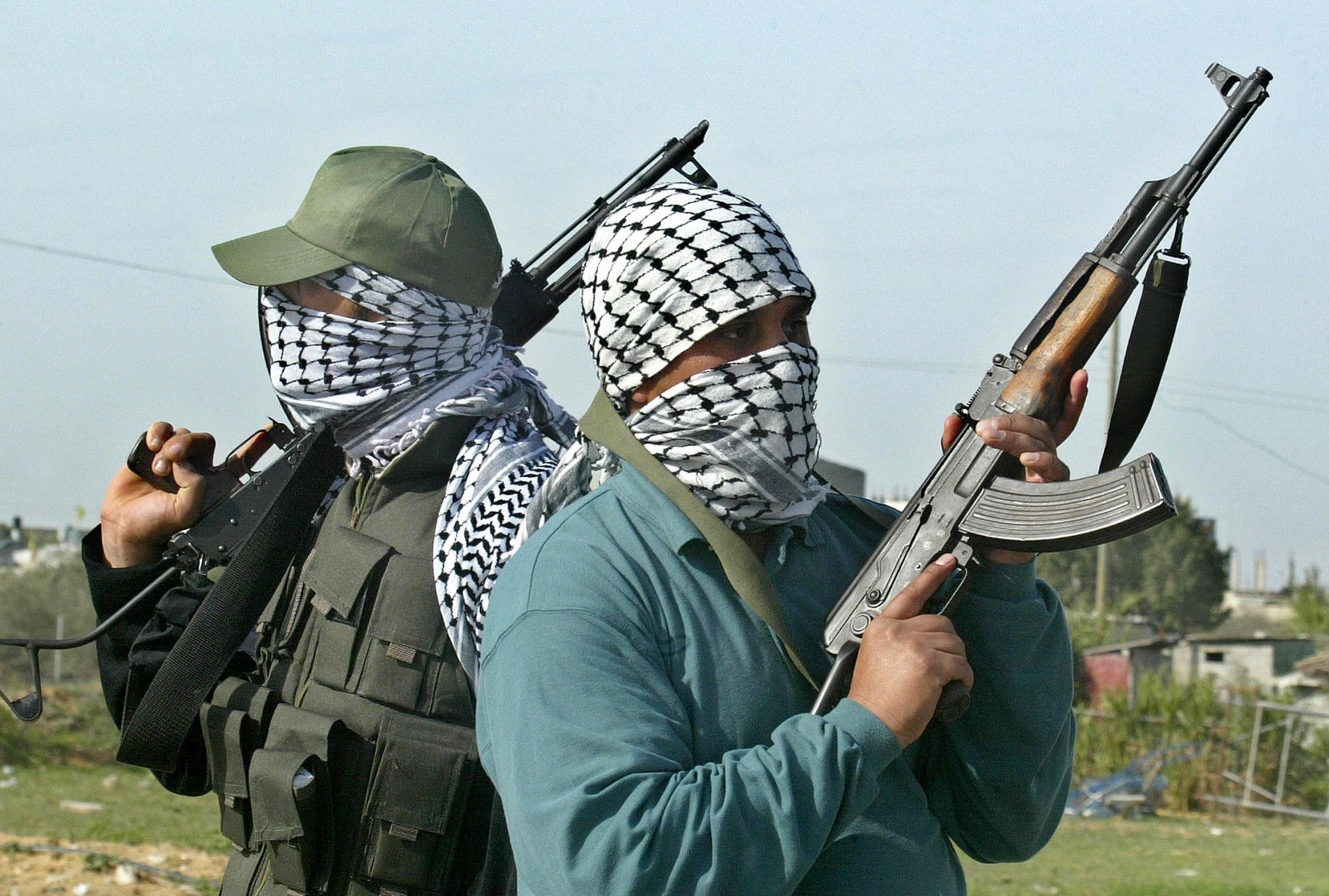
By Tochukwu Jimo Obi
The recent kidnapping of students and teachers in Oriire Local Government Area of Oyo State has once again exposed the frightening state of insecurity confronting Nigeria. Condemnations have continued to trail Friday’s bandits’ attack on three schools in the area, where an unspecified number of students and teachers were abducted, while two persons were reportedly killed.
The tragedy has left families devastated and communities gripped by fear, as another painful chapter is added to the growing list of violent attacks across the country.The attack, which occurred on May 16, saw armed bandits storm the community and abduct staff, students, and pupils from three schools; Community Grammar School, Baptist Nursery and Primary School, and L.
A. Primary School. Eyewitness accounts revealed that the attackers operated for hours without resistance, moving freely through the area while terrified residents watched helplessly. The incident has raised serious concerns about the safety of schools and the preparedness of security agencies to respond swiftly to emergencies.Worst of all, one of the teachers kidnapped during the attack was reportedly beheaded by the terrorists, a horrifying development that has deepened public outrage. Such brutality underscores the dangerous evolution of criminal activities in Nigeria, where terrorists and bandits now operate with alarming boldness and cruelty. The gruesome killing has further strengthened calls for urgent and decisive action from government authorities at all levels.
This unfortunate incident of school attacks is happening yet again despite repeated assurances from security agencies that schools across the country are safe. Nigerians have continued to hear promises of improved intelligence gathering, stronger patrols, and enhanced protection for vulnerable communities, yet attacks persist with devastating consequences. The contradiction between official assurances and the reality on the ground has weakened public confidence in the nation’s security architecture.
Another disturbing trend is that insecurity is rapidly spreading into the South-West region, an area once considered relatively safer compared to other parts of the country. Reports of Lakurawa terrorists and other armed groups establishing footholds in parts of the region have heightened fears that criminal networks are expanding their operations unchecked. The Oyo school kidnapping has therefore become more than a local tragedy; it is a warning sign that no region in Nigeria can afford to feel immune from terrorism and banditry.
Every now and then, government officials continue to assure citizens that security agencies are on top of the situation, yet many innocent people are still being killed and abducted with little or no arrests made afterward. More troubling is the fact that these attacks reportedly lasted for over two hours without any intervention from security operatives. This glaring security failure leaves Nigerians asking difficult but necessary questions about the nation’s emergency response capabilities.
How could terrorists, moving in large numbers on motorbikes, invade communities, abduct many people, and still escape without being tracked, stopped, or pursued effectively? What then are the military aircraft and advanced security equipment acquired with public funds meant for if they cannot be quickly deployed during emergencies? These are questions that citizens deserve answers to, especially as insecurity continues to consume lives and livelihoods across the country.
The Oyo incident has once again strengthened arguments for the establishment of state police across Nigeria. It is now obvious and evidently clear that the country’s centralized security structure requires urgent decentralization, similar to what operates in many secure nations around the world. State policing, if properly regulated and managed, could improve intelligence gathering, rapid response, and community-based security operations, particularly in rural areas that are often neglected under the current system.
It is no longer enough for leaders to merely condemn these attacks without taking concrete and sustained actions to secure the nation. President Bola Tinubu, as Commander-in-Chief of the Armed Forces, must urgently engage all stakeholders in the security sector, including international partners where necessary, to ensure that these terrorists are decisively defeated.
Government must also ensure that budgeted funds meant for security agencies, especially for the purchase of military hardware and equipment, are fully released and properly utilized. Beyond military action, authorities must intensify efforts to prevent the recruitment of vulnerable youths into criminal and terrorist groups. Nigerians are tired of mourning innocent victims. These killings must stop.
Tochukwu Jimo Obi, a concerned Nigerian writes from Obosi Anambra state.
By Fortune Abang
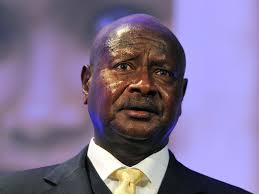
Uganda’s President Yoweri Museveni, 81, sworn in for a seventh term after nearly four decades in power, has once again intensified debate over gerontocracy and political succession in Africa.
Museveni, who first assumed office in 1986, has now extended his rule into a fifth decade, making him one of the world’s longest-serving heads of state.
His latest mandate, expected to run until 2031, follows the January 2026 election in which he secured about 71.65 per cent of the vote, according to official results, defeating opposition leader Robert Kyagulanyi, popularly known as Bobi Wine.
His continued stay in power has been enabled by key constitutional changes over time, including the removal of presidential term limits in 2005 and the abolition of the presidential age ceiling in 2017, reforms that effectively removed legal restrictions on tenure.
Across Africa, analysts say Uganda reflects a broader governance pattern in which long-serving leaders consolidate authority over extended periods.
Comparable examples often cited include Cameroon’s Paul Biya, in power since 1982, and Congo-Brazzaville’s Denis Sassou Nguesso, who first assumed office in 1979, both of whom have also presided over decades of uninterrupted or repeatedly renewed rule.
While Museveni’s supporters argue that his leadership has provided continuity and relative stability in a region frequently affected by conflict, critics say prolonged incumbency has gradually narrowed political competition and weakened institutional independence.
Uganda has maintained a degree of internal stability and played active roles in regional diplomacy and security operations in East and Central Africa.
Supporters point to these outcomes as evidence that long-term leadership can deliver policy continuity and state cohesion.
However, opposition voices and analysts argue that stability has come at a democratic cost, pointing to declining electoral competitiveness, constrained civic space and increasing centralisation of power around the executive.
The debate intensified after the removal of presidential term limits in 2005, followed by the scrapping of the age ceiling in 2017, which together removed two major constitutional barriers to leadership rotation.
These changes have been widely cited by governance analysts as pivotal in reshaping Uganda’s democratic structure.
In the January 2026 election, Museveni again defeated Bobi Wine, who garnered roughly 24.7 per cent of the vote, amid allegations from the opposition of irregularities and political repression during the electoral process.
Supporters of Museveni argue that his long rule has enabled economic transformation, infrastructure development and strengthened Uganda’s role in regional diplomacy.
Some regional leaders, including Burundi’s President Évariste Ndayishimiye, have previously described him as a stabilising figure in East Africa, crediting Uganda with supporting peace processes and regional cooperation.
Yet, critics argue that prolonged rule risks institutional stagnation, where governance structures become overly dependent on individual leadership rather than strong, independent institutions.
Analysts warn that this can weaken succession systems and limit democratic renewal.
A foreign policy analyst, speaking anonymously, said prolonged leadership can normalise “institutional dependence on individuals rather than systems,” arguing that such conditions undermine long-term democratic consolidation.
“No nation can sustainably develop when power remains concentrated in the same hands for decades while institutions fail to mature independently,” he said.
Beyond Uganda, Africa continues to record some of the world’s longest-serving leaders, reinforcing concerns about generational turnover in governance.
In several of these systems, electoral competition remains limited and constitutional reforms have often coincided with extended presidential tenure.
Foreign affairs commentator Collins Nweke argues that the central issue is not age itself, but accountability and leadership renewal, noting that political systems weaken when succession is delayed or constrained.
Other analysts emphasise the importance of civic awareness and institutional safeguards, particularly term limits, which they describe as critical tools for preventing excessive concentration of power.
A diplomat, also speaking on condition of anonymity, called for stronger electoral transparency mechanisms, including credible voter registration systems, independent election management bodies, and robust domestic and international observation frameworks.
An academic, who spoke on condition of anonymity, said stronger civic awareness could help societies resist unconstitutional tenure elongation.
“When citizens are politically informed and organised, sit-tight ambitions lose legitimacy and public support,” he said.
Museveni’s seventh term therefore reflects a wider continental tension between political continuity and democratic renewal, raising questions about whether African democracies are evolving toward stronger institutions or settling into prolonged cycles of personalised rule.
For supporters, his leadership represents stability in a volatile region.
For critics, it signals the entrenchment of gerontocracy and weakening democratic competition.
Between these positions lies a structural challenge that extends beyond Uganda; whether institutions in African states are strong enough to outlast individuals and guarantee orderly political succession. (NAN)
By Bart Nnaji
Africa’s energy journey is often portrayed as a stark choice between climate responsibility and development. In reality, the continent faces a more nuanced challenge: finding a fair, gradual energy transition that matches its unique needs and ambitions.
Technology and innovation can drive this change, helping secure affordable and sustainable energy for all.In the coming decades, Africa’s population is expected to soar to nearly 2.5 billion. Cities will grow. Industries will expand. Digital connections will multiply. The demand for energy will increase significantly.
Right now, expecting Africa to abandon fossil fuels overnight is neither realistic nor fair. In the near future, fossil fuels remain crucial for base power that is reliable, and affordable. In particular, natural gas is key transition fuel that will remain the base power solution for the next decade. Africa must not embrace renewable energy primarily when they have abundance of fossil fuel for their industrialization as other emerging and emerged nations have done. A just energy transition recognises these realities and seeks ways to build cleaner, more resilient systems over time.Technology as the Enabler of Africa’s Energy Future
Exciting new technologies are already reshaping Africa’s energy landscape:
Decentralised solutions, like mini-grids, off-grid solar, and batteries, bring electricity to places traditional grids can’t reach. By 2030, these distributed renewables could provide most new connections in underserved communities.
Smart grids and AI-driven management can reduce waste. They help utilities serve people better.
Modern batteries ensure that solar and wind energy can be delivered steadily, even when the sun isn’t shining or the wind isn’t blowing.
Decentralised approaches are essential to Africa’s path toward universal energy access. While technology is not a fix-all solution, it is a crucial enabler of efficiency, resilience, and affordability, shaping Africa’s energy future.
African entrepreneurs are leading much of this change. They’re developing solutions that meet local needs, such as pay-as-you-go solar, community-run mini-grids, and mobile payment platforms. These innovations don’t just bring power; they create jobs, build skills, and reap economic benefits for the continent.
But innovation alone isn’t enough. Investment is critical. According to the International Energy Agency, Africa needs about $90 billion annually to achieve a successful energy transition, but current funding falls short. Governments can help by setting clear, supportive policies that attract investment and make projects more affordable. Organisations like the African Development Bank say grid investment must rise dramatically, and clean energy spending should double by 2030 to keep up with growing demand.
From Energy Access to Economic and Human Impact
Reliable energy is more than just a technical necessity – it’s what fuels industrial growth. Picture the continent’s factories buzzing with activity, transport networks connecting people and goods, and data centres powering a vibrant digital economy.
Expanding decentralised solutions brings light to places that have been left in the dark for too long. It’s about giving children a place to study at night, helping clinics store vaccines safely, and empowering entrepreneurs to launch new businesses.
Of course, none of this works in isolation. Supportive policies, strong regulations, and partnerships between governments and private companies are essential. When African countries harmonise their rules and work together, they can create bigger markets. This draws even more investment and innovation.
Ultimately, Africa’s energy transition must be shaped by Africans themselves. The path forward is about collaboration, pragmatism, and investing in homegrown solutions. Africa’s mobile phone revolution showed the world how quickly the continent can leapfrog old systems. The same can happen with energy; by embracing flexible, tech-driven models that serve today’s and tomorrow’s needs.
Now is the time to come together to act boldly and invest in Africa’s energy future. By uniting efforts, we can turn potential into progress, ensuring resilient, inclusive, and sustainable energy for generations to come. Let’s power Africa’s future, together.
Prof. Bart O. Nnaji FAS, FA Eng. CON, NNOM – Founder/Chairman, Geometric Power Limited and former Nigerian Minister of Power




Flood: NEMA Lists 11 Niger LGAs as High-risk Areas
ShareThe National Emergency Management Agency (NEMA) has identified 11 Local Government Areas (LGAs) in Niger as high flood-risk zones ahead of the 2026 rainy season. Director-General of NEMA,...


DR Congo Cancels World Cup Training Camp over Ebola Outbreak
ShareThe Democratic Republic of Congo has cancelled its pre-World Cup training camp in the capital, Kinshasa, because of an Ebola outbreak in the east...
Gonorrhoea, Syphilis Hit Record Levels in Europe
ShareSexually transmitted infections (STIs) including gonorrhoea and syphilis have hit record levels in Europe, according to new data. The European Centre for Disease Prevention and Control (ECDC)...

Tinubu Appoints Aina as JAMB Registrar
SharePresident Bola Tinubu has appointed Prof. Segun Aina as the new Registrar of the Joint Admissions and Matriculation Board (JAMB), succeeding Prof. Is-haq Oloyede. Oloyede’s tenure expires on...
Nursing Council Inducts First 57 Benue Varsity Graduates
ShareFrom Attah Ede, Makurdi Nursing and Midwifery Council of Nigeria (N&MCN), on Thursday, inducted 57 maiden graduates of the Department of Nursing Science of the Rev. Fr....
DisCos Meter 241,590 Customers in Two Months –NERC
ShareThe Nigerian Electricity Regulatory Commission (NERC) on Thursday said that Electricity Distribution Companies (DisCos) metered a total of 241,590 customers...

No Plan to Rename Nigeria, Abolish Shariah Law — Presidency
ShareBy David Torough, Abuja The Presidency has dismissed as false and misleading reports claiming that President Bola Tinubu plans to...

APC Primaries: Uba Sani, Bago, Lawal, Aliyu, Namadi Clinch Tickets
ShareBy David Torough, Abuja The All Progressives Congress (APC) on Thursday recorded major political developments across several states as governors...
Organization Raises the Alarm over Rising Insecurity in Kogi East
ShareFrom Joseph Amedu, Lokoja The Ukomu Igala Organization has cried out over the rising cases of insecurity – banditry, kidnapping and brutal killings involving...
Nigeria Intensify Prep Ahead Canada Squash Tourney
ShareThe Nigeria Squash Federation has stepped up preparations ahead of the 2026 World Junior Team Squash Championship scheduled to take place in Ontario, Canada, from...