
NEWS
Middle Belt Religious Leaders Pledge to Bridge Gaps, Prevent Interreligious Violence


From Abel Zwànke, Lafia
Religious leaders from the Middle Belt region have vowed to strengthen relationships, prevent interreligious violence and promote peaceful coexistence in Nigeria.
This commitment was made during a one-day peace-building program organized by the Development Initiative of West Africa (DIMA) in Lafia at the weekend.
Speaking at the event, Musa Mohammed, Program Manager of DIMA, emphasized the significance of interfaith collaboration in fostering peace.
“Building Bridges is an interreligious peace-building project designed to cement relationships between community members,” Mohammed said.
“We are leveraging the influence, networks, and connections of religious and traditional actors to serve as gatekeepers and engineers for sustained peace.”According to him, the project is being implemented in three states, with Nasarawa identified as a model for peace-building efforts. He explained that religious leaders would be trained and encouraged to conduct step-down training sessions, engage in dialogue, and participate in community-based initiatives.
“Our approach is not just about dialogue in halls; it is about practical peace-building in communities,” he added. “We are also engaging the media, both social and conventional, to ensure widespread dissemination of peace initiatives.”
Mohammed noted that while many efforts are being made to promote peace, there remain gaps that certain elements exploit to instigate violence.
“We realized that despite ongoing peace efforts, a crucial gap exists—engagement with religious leaders. They hold significant influence, and one statement from them can shape an entire community,” he said. “We aim to rebuild social capital, foster mutual respect, and encourage economic and social cooperation across religious lines.”
Executive Secretary of YMCA Mada Hills and Coordinator of the African Activist for Climate Justice Project in Nasarawa, Ango Abdullahi lauded the initiative, describing it as a welcome development.
“This project, supported by DIMA, is vital for Nasarawa State. It unites people, fosters coexistence, and addresses divisive issues,” Abdullahi stated. “We are pleased that this program is happening here, especially when other states have been left out.”
Similarly, Hajiya Yagana Shani, a representative of the GNI Women Wing, highlighted the importance of grassroots engagement, particularly among women.
“We have attended several peace meetings before, but we hope this initiative will have a lasting impact,” she said. “Women interact closely within their communities, and after this meeting, we will take the message back to our homes, families, and neighbors.”
Shani stressed the necessity of peace for societal progress, warning against manipulation by self-serving individuals.
“Without peace, even food loses its taste,” she remarked. “We must not allow ourselves to be used by a few individuals to fight along religious, cultural, or tribal lines. These differences existed before us, and they should not be a source of division.”
The peace-building project aims to create a long-term impact by fostering understanding and ensuring communities work together toward sustainable peace.
By David Torough, Abuja
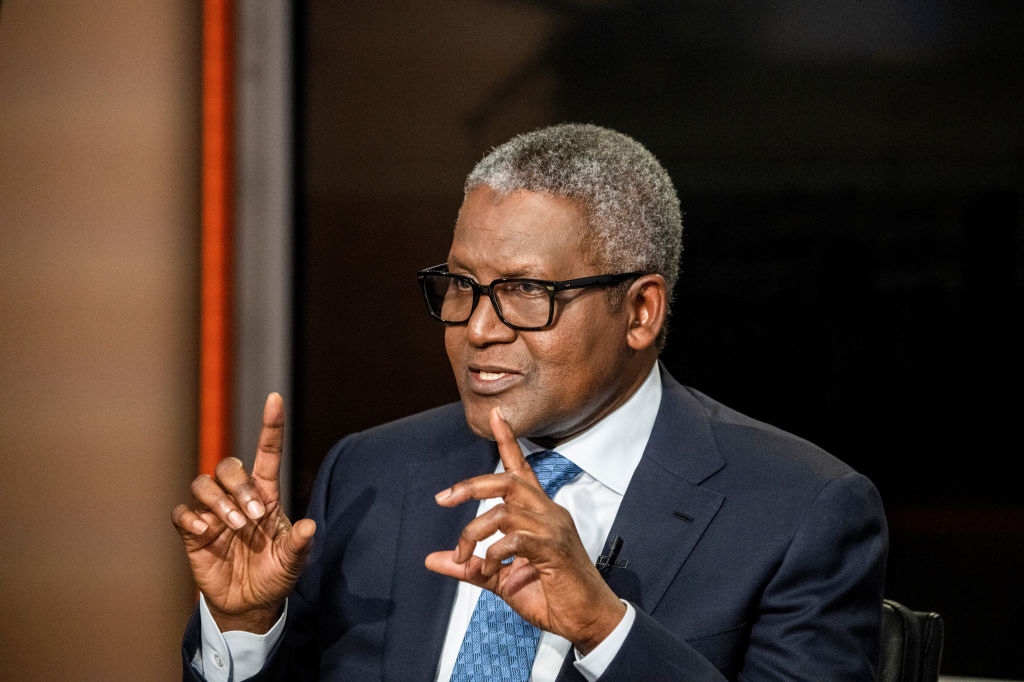
The Chairman of the Kano-Jigawa branch of the Manufacturers Association of Nigeria (MAN), Muhammad Bello Isyaku Umar, has described the Dangote Refinery as a major catalyst for greater inclusiveness in the Nigerian economy.
His comment came as Dangote Refinery is set to make a presentation of its Initial Public Offering (IPO) to stakeholders in Kano Thursday at 10:00 a.
m.The presentation will take place at the Meena Event Centre, Kano, and will provide participants with insights into the refinery’s IPO, investment opportunities.
Speaking to newsmen, Mr. Umar commended the Dangote Group for its sustained support for manufacturers and the industrial sector over the years.
He said the Dangote Group is one of the major sponsors of the 54th Joint Annual General Meeting and Fifth Made in Kano-Jigawa Products Exhibitions, slated for September 22nd and 24th, 2026.
The chairman said the refinery’s emergence has created opportunities for businesses across different sectors and strengthened the prospects of a more productive domestic economy.
According to him, the refinery represents an important step in Nigeria’s drive to reduce dependence on imported petroleum products, conserve foreign exchange and create a more predictable operating environment for manufacturers and other businesses.
He said the impact of the refinery extends beyond the oil and gas industry, stressing that its operations have significant implications for manufacturers, transporters, farmers, distributors, small and medium-sized enterprises and consumers.
The chairman said the increased domestic refining capacity can help strengthen local supply chains, improve access to petroleum products and reduce some of the uncertainties associated with dependence on imported refined products.
He added that a stronger domestic energy base would ultimately support industrial production, investment and job creation across the country.
The MAN chairman also welcomed the Initial Public Offering (IPO) of Dangote Refinery, describing it as an opportunity to broaden Nigerians’ participation in one of the country’s most strategic industrial investments.
He said listing the refinery on the Nigerian capital market could allow institutional investors, businesses and individual Nigerians to participate in its growth and benefit from the value created by the company.
“An IPO of this magnitude has the potential to make the refinery not only a national industrial asset, but also an investment opportunity in which Nigerians from different backgrounds can participate,” he said.
Umar noted that the benefits of the IPO would extend beyond shareholders, arguing that the listing would deepen the Nigerian capital market, attract additional domestic and international investment and strengthen confidence in large-scale industrial projects.
He said the refinery would also stimulate greater investment in ancillary industries, including logistics, transportation, engineering, maintenance, storage, distribution and other services required across the petroleum value chain. This, he said, would create a multiplier effect capable of benefiting businesses of different sizes and supporting broader economic activity.
He further commended the Dangote Group for its sustained contribution to Nigeria’s manufacturing sector and urged stronger collaboration between government, industry associations and major private-sector investors to ensure that the opportunities created by large industrial projects are maximised.
According to him, the refinery, alongside Dangote’s investments in cement, fertiliser, food processing and other sectors, demonstrates how private-sector investment can contribute to economic diversification, local production, employment generation and government revenue through taxation. He stressed that policies that encourage such investments should be strengthened while ensuring that businesses, particularly manufacturers, operate within a stable and competitive policy environment.
The MAN chairman said the long-term significance of the Dangote Refinery should therefore be measured not only by the volume of petroleum products it produces, but also by its capacity to integrate more Nigerians and Nigerian businesses into the formal economy.
He expressed optimism that the refinery’s expansion, the proposed IPO and continued investment by the Dangote Group would help deepen industrialisation, strengthen Nigeria’s energy security, create new opportunities for businesses and contribute to sustainable economic growth.
“What Nigeria needs is an economy in which investment creates opportunities across the board, and the Dangote Refinery has the potential to be one of the strongest drivers of that inclusiveness,” Umar Tofa said.
He added: “We sincerely appreciate Dangote Group for this gesture. It demonstrates a strong commitment to Nigerian manufacturing and to the Manufacturers Association of Nigeria.
“For MAN Kano/Jigawa, it is particularly significant because it strengthens collaboration among indigenous manufacturers, government and major industrial investors. It also sends a powerful message to our over 1,000 members across Kano and Jigawa that Nigerian businesses can support one another in building a stronger industrial economy.”
From Abel Leonard, Lafia
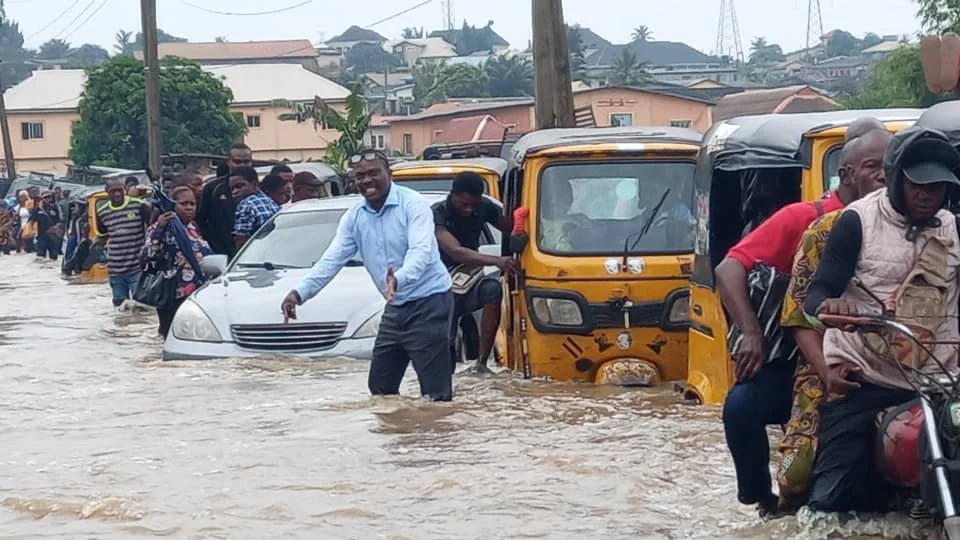
Communities across North-Central Nigeria are facing mounting threats from flooding and erosion, with residents reporting the destruction of homes, roads, farmlands and other critical infrastructure, even as state governments and development partners intensify efforts to control the environmental crisis.
From Kogi and Nasarawa to Niger, Bauchi, Gombe and Jigawa, expanding gullies, overflowing waterways and inadequate drainage systems have displaced residents, disrupted farming and trade, and in some cases cut communities off from markets and neighbouring settlements.
The scale of the challenge has prompted governments to initiate or support projects running into tens of billions of naira, involving drainage construction, gully stabilisation, land reclamation, tree planting, watershed restoration and other measures.
In Kogi, residents of Idah and Egbe described erosion as a persistent threat that has progressively eaten into roads, houses and access routes.
At a settlement behind the Government Technical College towards Oga Memorial Grammar School in Igalaogba Ward, Idah Local Government Area, residents said erosion had worsened over the past five years, forcing some people to abandon their homes.
A resident, Hadizat Umoru, said buildings and fences around her residence had been damaged, while access had become increasingly difficult.
“Some people can no longer gain entry into their houses because the erosion has eaten up everywhere,” she said, adding that residents could no longer conveniently use motorcycles or vehicles along parts of the affected road.
Another resident, Jibrin James, said residents had previously contributed money to repair a section of the access road after erosion nearly severed the route.
He said officials of the World Bank had visited the area twice to assess the damage, including with drone cameras, but remedial work had yet to begin.
James said the expanding gully had reached a stage where proper drainage was needed to channel stormwater rather than attempting to simply block its path.
In Egbe, civil engineer Ayokunle Gbadebo-Olajide said the town’s location among mountains and hills made it particularly vulnerable to flooding and erosion during the rainy season.
He said the major road linking the community to neighbouring areas was frequently affected, disrupting the movement of farm produce and cutting off smaller communities.
According to him, erosion and floods had washed away streets, exposed building foundations and caused some houses to collapse.
He blamed the recurring damage partly on inadequate preventive measures, insufficient funding and construction on natural watercourses and flood paths.
Kogi government officials, however, said significant interventions were underway across the state.
Bode Adeyemi, Special Adviser to Gov. Ahmed Ododo on Energy Matters and Chairman, Forum of Special Advisers, said the government had undertaken erosion-control projects in several parts of the state, including Kabba.
He said Kogi remained particularly vulnerable because of its location at the confluence of the Rivers Niger and Benue, leaving farmlands, homes, schools and health facilities exposed to flooding and erosion.
He also reaffirmed the state’s commitment to the Nigeria Erosion and Watershed Management Project (NEWMAP) and the European Investment Bank-supported intervention targeting erosion, flooding and environmental degradation.
In Nasarawa, residents acknowledged the impact of ongoing government and development-partner interventions but urged authorities to extend them to communities still facing severe erosion.
Mallam Suleiman Abdullahi of Doma Local Government Area said intervention work had protected homes, roads and farmlands previously threatened by gully erosion.
But Grace Ezekiel of Angwan Nungu in Lafia said communities including Ombi One and Bukan Sidi were still suffering from severe erosion that had cut off roads and destroyed livelihoods.
Nasarawa Commissioner for Environment, Natural Resources and Mining, Princess Margaret Elayo, said the state government had invested heavily in erosion control through drainage construction and other measures.
She said the World Bank-assisted Agro-Climatic Resilience in Semi-Arid Landscapes (ACReSAL) project had implemented erosion-control activities in severely affected local government areas.
Elayo disclosed that the state had awarded a N10 billion erosion-control contract covering Lafia, Doma and Toto, involving drainage construction, gully stabilisation and rehabilitation of degraded land.
She added that compensation payments had reached N2.4 billion in Lafia and Doma and N744 million in Toto for people affected by the projects.
In Niger, the collapse of the Yinti Bridge in Katcha Local Government Area has exposed another dimension of the crisis, cutting several farming communities off from Katcha market and other parts of the state.
Residents said the bridge, a critical link for farmers transporting produce, had deteriorated for years before recent flooding worsened its condition.
Mallam Baba Yinti said the bridge had been neglected despite its importance to surrounding farming communities.
Another resident, Yahaya Abubakar, said its collapse had severely disrupted movement and raised concerns about access to markets, essential goods and services.
Although an older bridge remained in use, he said it was also in poor condition.
Residents urged the Niger State Government and relevant authorities to urgently restore access and provide a durable solution rather than allowing the area to remain dependent on deteriorating infrastructure.
The Niger State Emergency Management Agency said it was increasingly focusing on prevention and mitigation.
Dr Ibrahim Hussaini, Director of Information and Linkages at NSEMA, said the agency conducts hazard identification, risk assessments and public sensitisation on activities that could worsen erosion.
The environmental crisis extends further east across Bauchi, Gombe and Jigawa, where governments have launched projects valued at more than N35 billion to address flooding, erosion and land degradation.
In Bauchi, a N29.7 billion flood and gully erosion-control project is being implemented in collaboration with ACReSAL. The 15.2-kilometre intervention, funded by the World Bank with a 40 per cent state contribution, targets degraded land and stormwater and gully erosion in communities including Tsohon Kamfani, Sabon Kaura, Wunti Dada, Abubakar Tatari Ali Polytechnic, Tambari Housing Estate, Yelwa Bridge and the Bauchi State College of Agriculture.
The state has also distributed one million tree seedlings for planting in schools, offices, strategic locations and places of worship.
In Gombe, Commissioner for Environment and Forest Resources Yusuf Jalingo said erosion-control interventions implemented with ACReSAL and NEWMAP had improved the lives of about 1.6 million people across different corridors.
He said more than 400,000 residents living along gully corridors in Gombe metropolis had benefited, while projects were also ongoing in communities across Funakaye, Dukku, Nafada, Kwami and Akko local government areas.
The government has combined channelisation and water-diversion outlets with ecological restoration and afforestation under its Gombe Goes Green initiative.
Residents said the interventions had brought relief after years of devastation.
Haruna Musa, a resident of Hayin Kwarin Misau, recalled that erosion had destroyed houses in his neighbourhood, saying many structures that stood there a decade ago had been washed away.
In Jigawa, the state government has spent about N3 billion on the Kila erosion-control project in Gwaram Local Government Area, according to Commissioner for Information Sagir Musa.
The state is also collaborating with federal agencies on drainage and erosion-control projects, including an intervention in Jahun Local Government Area designed to address perennial flooding and erosion.
Experts and civil society stakeholders, however, warned that construction alone would not solve the problem.
Lecturer Mansur Ahmad of Hussaini Adamu Federal Polytechnic, Kazaure, called for stronger land-use planning and monitoring of communities located along river channels and waterways.
He identified several erosion-prone areas requiring close monitoring, including Dutse, Gwaram, Kiyawa, Buji, Birnin Kudu, Kafin Hausa, Jahun, Miga, Malam Madori, Ringim and Taura.
Shittu Kabiru, Executive Director of the Youth Aid and Development Association of Nigeria, said excessive rainfall, flooding, poor drainage, exposed soils and vegetation removal were aggravating erosion in Jigawa.
The consequences, he said, included expanding gullies, loss of agricultural land and livelihoods, and damage to roads and culverts.
Across the affected states, residents and experts agreed that emergency repairs must be matched with long-term preventive measures, including better drainage, enforcement of land-use regulations, protection of natural waterways, reforestation and improved maintenance of public infrastructure.
For communities already living on the edge of expanding gullies and flood channels, however, the demand remains immediate: intervention must reach them before the next major rainfall turns environmental vulnerability into another human disaster.
NEWS
Amb Emmanuel Shoon Patrick: A Technocrat Changing the Lives of Nigerian Youths Through Optoelectronics

By Raphael Atuu, Abuja
At a time when unemployment and the search for sustainable livelihoods remain major concerns for young Nigerians, some entrepreneurs are quietly contributing to the development of the nation by creating opportunities and empowering the next generation.
One of such individuals is Ambassador Emmanuel Shoon Patrick, Managing Director of Excel Optoelectronics Company Limited.
Regarded by many as a technocrat with a strong passion for youth development, Ambassador Shoon Patrick has continued to use his business platform to provide employment opportunities, skills development, start-up support and other forms of empowerment for young people.
His intervention, particularly through the technology and optoelectronics sector, reflects his belief that empowering young Nigerians with opportunities and practical skills can help them become productive contributors to society.
Investing in the Future of Nigerian Youths
For Ambassador Shoon Patrick, business is not only about profit. It is also about creating value and making a positive impact on society.
Through Excel Optoelectronics Company Limited, he has supported youths through employment opportunities and other empowerment initiatives designed to enable them to become self-reliant. Some beneficiaries have had opportunities to gain valuable work experience, while others have received support that can help them establish or grow their own businesses.
His approach demonstrates the importance of private-sector participation in tackling youth unemployment and promoting economic inclusion.
At a time when governments and development organisations are seeking sustainable solutions to youth unemployment, entrepreneurs who create jobs and nurture young talents have an important role to play in complementing public-sector efforts.
A Passion for Technology and National Development
Ambassador Shoon Patrick’s activities are also driven by his interest in technology, economic development and value creation.
With Excel Optoelectronics Company Limited having operations and offices within and outside Nigeria, his business activities have the potential to connect Nigerian talents and businesses to opportunities in a rapidly changing technological environment.
Optoelectronics, which combines principles of optics and electronics, is an important area of modern technology, with applications across communications, security, lighting, automation and other sectors.
By operating within this space and creating opportunities for young Nigerians, Ambassador Shoon Patrick is contributing to the broader conversation about the role of technology and entrepreneurship in Nigeria’s economic transformation.
Patriotism and Support for National Development
Beyond his entrepreneurial activities, Ambassador Shoon Patrick is described as a Nigerian who believes strongly in the potential of the country.
His philosophy is anchored on development, economic value creation and youth empowerment. He is also said to maintain a strong sense of responsibility toward the country, including meeting his civic obligations and supporting legitimate government initiatives.
For him, the development of Nigeria cannot be left to government alone. Individuals, businesses, civil society organisations and other stakeholders must work together to create an environment where young Nigerians can thrive.
His support for government efforts and his emphasis on responsible citizenship underscore his belief that the private sector has an important role in nation-building.
The Need for Greater Support
While government remains an important driver of economic development, the contributions of private-sector entrepreneurs such as Ambassador Shoon Patrick highlight the need for stronger collaboration between government and businesses.
Entrepreneurs who create jobs, provide training and support start-ups require an enabling environment to expand their impact. Access to finance, infrastructure, technology, favourable policies and strategic partnerships can help businesses with a commitment to social impact reach more young people.
Ambassador Shoon Patrick’s work therefore presents an opportunity for government agencies, financial institutions, development organisations, corporate bodies and private individuals to support initiatives that promote entrepreneurship and youth empowerment.
A Legacy Beyond Business
The true measure of an entrepreneur’s success is not always the size of his company or the volume of his business. In many cases, it is the number of lives positively influenced by his activities.
For Ambassador Emmanuel Shoon Patrick, his growing reputation as a technocrat and entrepreneur is closely linked to his commitment to creating opportunities for young people.
His story demonstrates that businesses can serve as vehicles for economic empowerment and social transformation. By providing jobs, supporting young entrepreneurs and promoting technology-driven opportunities, he is helping to give youths a greater stake in the future of Nigeria.
As Nigeria continues to search for practical solutions to unemployment, poverty and youth restiveness, the contributions of responsible entrepreneurs deserve recognition and encouragement.
Ambassador Emmanuel Shoon Patrick represents a model of privatesector participation in national development—one where enterprise, technology and youth empowerment intersect.
With increased support from relevant government institutions, private organisations and development partners, initiatives of this nature could be expanded, potentially reaching many more young Nigerians and contributing to a more productive, innovative and economically vibrant society.
For Ambassador Emmanuel Shoon Patrick, the journey appears to be about more than building a successful enterprise; it is about building people, creating opportunities and contributing to the Nigeria he believes can prosper.


INEC Tasks Journalists on Electoral Act 2026 Ahead 2027 Polls
ShareThe Independent National Electoral Commission (INEC) has urged journalists to familiarise themselves with the provisions of the Electoral Act 2026...
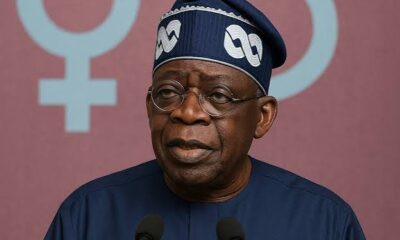

Northern Govs Mobilise Women Ulamas for Tinubu’s 2027 Re-election
ShareNorthern Governors’ Forum has urged women Ulamas to support President Bola Tinubu’s re-election bid in 2027. The governors made the call...

Why I Don’t Use Siren – Alia
ShareBy Donald Andoor Benue State Governor, Hyacinth Alia has said he does not use the siren to scare people off...


Mob Beat 80-yr-old Man to Death over Witchcraft Allegation in Benue
ShareFrom Attah Ede, Makurdi An 80-year-old man identified as Ordue Ikye, has allegedly been beaten to death by a mob...

Dangote Refinery Deepening Economic Inclusion, Says MAN
ShareBy David Torough, Abuja The Chairman of the Kano-Jigawa branch of the Manufacturers Association of Nigeria (MAN), Muhammad Bello Isyaku...


School Resumption: Police Assure Adequate Security in Ondo
ShareThe Police Command in Ondo State has assured parents, students and school proprietors of adequate security as schools reopen for the...

Nigeria’s Oil Output Rises 0.4 Per Cent in August
ShareNigeria’s crude oil and condensate production rose by 0.4 per cent to 1,677,777 barrels per day (bpd) in August 2026....

2027: Accord Queries Presidential Candidate’s Exclusion from INEC List
ShareBy David Torough, Abuja The Independent National Electoral Commission (INEC) has published the final lists of candidates for the 2027...
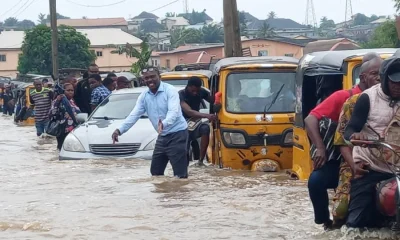

Floods, Erosion Leave Trail of Destruction across North-Central
ShareFrom Abel Leonard, Lafia Communities across North-Central Nigeria are facing mounting threats from flooding and erosion, with residents reporting the...


Amb Emmanuel Shoon Patrick: A Technocrat Changing the Lives of Nigerian Youths Through Optoelectronics
ShareBy Raphael Atuu, Abuja At a time when unemployment and the search for sustainable livelihoods remain major concerns for young...