
NEWS
Nigeria’s inflation drops from 15.39 Per Cent to 14.63 Per Cent in September

By Tony Obiechina, Abuja
The National Bureau of Statistics (NBS) on Thursday disclosed that Nigeria’s inflation has eased from 15.39 percent in August to 14.
63 percent in September 2026.According to NBS “On a year-on-year basis, the headline inflation rate for September 2026 stood at 14.
63%, when compared to 15.39% and 20.98% recorded in August 2026 and September 2025, respectively.“The month-on-month headline inflation rate in September 2026 was 0.06%, which was 0.65% lower than the rate recorded in August 2026 (0.
71%).According to a statement signed by the Statistical General of the Federation, Prince Adeyemi Adeniran, NBS explained that at the divisional level, the three major contributors to the headline inflation were Food and non-alcoholic Beverages: 5.85%, Restaurants & Accommodation Services: 1.89%, and Transport: 1.56%; while the least contributors were Recreation, Sport, and Culture: 0.05%, Alcoholic Beverages, Tobacco, and Narcotics: 0.05%, and Insurance and Financial Services: 0.07%.
“The Food inflation rate in September 2026 was 19.59% on a year-on-year basis, lower than 20.16% recorded in September 2025. Also, on a month-on-month basis, the Food Inflation rate in September 2026 was -1.55%, down by 2.57 percentage points from August 2026 (1.02%).
“This can be attributed to the rate of change in the average prices of Guinea corn flour, sold loose, Maize (Corn) Flour White (sold loose), Rice Local, short-Grained, Egg, Onion Fresh, Palm oil, Green Beans Fresh, Irish Potatoes, Okra, Tomatoes Fresh, Green Peas (Dried), Plantain, among others.
“Core Inflation, which excludes the prices of volatile agricultural produce and energy, stood at 12.95% in September 2026 on a year-on-year basis. On a month-on-month basis, the core inflation rate was 1.11% in September 2026, up by 1.17% compared to August 2026 (-0.06%).
NBS further stated that the inflation rate of the sub-indices for September 2026 shows that the monthly changes recorded were Farm Produce (-2.86%), Energy (5.38%), Services (0.41%), Goods (0.10%), and Imported Food (0.04%).
Meanwhile, the inflation rates on a year-on-year basis were as follows: Farm Produce (18.85%), Energy (10.85%), Services (14.51%), Goods (14.31%), and Imported Food (9.18%).
“On a year-on-year basis, the urban inflation rate in September 2026 was 15.64%. On a month-on-month basis, the urban inflation rate was 0.53% in September 2026, up by 0.25% compared to August 2026 (0.28%).
“The rural inflation rate in September 2026 was 12.46% on a year-on-year basis. On a month-on-month basis, the rural inflation rate in September 2026 was -0.89%, down by 2.68% compared to August 2026 (1.79%).
“In analysing price movements under this section, it should be noted that CPI is weighted by consumption expenditure patterns that differ across States and locations. Accordingly, the weight assigned to a particular Food or Non-Food item may differ from State to State making interstate comparisons of consumption baskets inadvisable and potentially misleading”.
The statement further noted that “in September 2026, the All-Items inflation rate on a Year-on-Year basis was highest in Imo (30.04%), Enugu (22.38) and Niger (22.05%), while Taraba (1.78%), Bauchi (2.84%) and Adamawa (3.66%) recorded the lowest rise in Headline inflation on a Year-on-Year basis. On a Month-on-Month basis, however, September 2026 recorded the highest increases in Imo (8.64%), Kaduna (4.46%), and Sokoto (3.01%), while Adamawa (-6.10%), Bauchi (-5.31%), and Kano (-4.49%) recorded the lowest rise in the Month-on-Month inflation.
“In September 2026, Food inflation on a Year-on-Year basis was highest in Lagos (34.40%), Imo (33.79%), and Ondo (31.49), while Taraba (-7.47%), Yobe (-0.37%), and Borno (2.18%) recorded the slowest rise in Food inflation on a Year-on-Year basis. On a Month-on-Month basis, however, September 2026 Food inflation was highest in Imo (5.15%), Ondo (4.46%), and Oyo (3.82), while Adamawa (-13.84%), Kano (-11.01%), and Bauchi (-10.21%) recorded the slowest rise in Food inflation on a Month-on-Month basis.
The NBS said the report is centred on a new CPI base year of 2024 and a weight reference period of 2023. Hence, the Consumer Price Index (CPI) increased to 146.38 in September 2026 and reflects a 0.08-point increase from the preceding month.
By Tony Obiechina, Abuja
The National Bureau of Statistics (NBS) on Thursday disclosed that Nigeria’s inflation has eased from 15.39 percent in August to 14.63 percent in September 2026.
According to NBS “On a year-on-year basis, the headline inflation rate for September 2026 stood at 14.63%, when compared to 15.39% and 20.98% recorded in August 2026 and September 2025, respectively.
“The month-on-month headline inflation rate in September 2026 was 0.06%, which was 0.65% lower than the rate recorded in August 2026 (0.71%).
According to a statement signed by the Statistical General of the Federation, Prince Adeyemi Adeniran, NBS explained that at the divisional level, the three major contributors to the headline inflation were Food and non-alcoholic Beverages: 5.85%, Restaurants & Accommodation Services: 1.89%, and Transport: 1.56%; while the least contributors were Recreation, Sport, and Culture: 0.05%, Alcoholic Beverages, Tobacco, and Narcotics: 0.05%, and Insurance and Financial Services: 0.07%.
“The Food inflation rate in September 2026 was 19.59% on a year-on-year basis, lower than 20.16% recorded in September 2025. Also, on a month-on-month basis, the Food Inflation rate in September 2026 was -1.55%, down by 2.57 percentage points from August 2026 (1.02%).
“This can be attributed to the rate of change in the average prices of Guinea corn flour, sold loose, Maize (Corn) Flour White (sold loose), Rice Local, short-Grained, Egg, Onion Fresh, Palm oil, Green Beans Fresh, Irish Potatoes, Okra, Tomatoes Fresh, Green Peas (Dried), Plantain, among others.
“Core Inflation, which excludes the prices of volatile agricultural produce and energy, stood at 12.95% in September 2026 on a year-on-year basis. On a month-on-month basis, the core inflation rate was 1.11% in September 2026, up by 1.17% compared to August 2026 (-0.06%).
NBS further stated that the inflation rate of the sub-indices for September 2026 shows that the monthly changes recorded were Farm Produce (-2.86%), Energy (5.38%), Services (0.41%), Goods (0.10%), and Imported Food (0.04%).
Meanwhile, the inflation rates on a year-on-year basis were as follows: Farm Produce (18.85%), Energy (10.85%), Services (14.51%), Goods (14.31%), and Imported Food (9.18%).
“On a year-on-year basis, the urban inflation rate in September 2026 was 15.64%. On a month-on-month basis, the urban inflation rate was 0.53% in September 2026, up by 0.25% compared to August 2026 (0.28%).
“The rural inflation rate in September 2026 was 12.46% on a year-on-year basis. On a month-on-month basis, the rural inflation rate in September 2026 was -0.89%, down by 2.68% compared to August 2026 (1.79%).
“In analysing price movements under this section, it should be noted that CPI is weighted by consumption expenditure patterns that differ across States and locations. Accordingly, the weight assigned to a particular Food or Non-Food item may differ from State to State making interstate comparisons of consumption baskets inadvisable and potentially misleading”.
The statement further noted that “in September 2026, the All-Items inflation rate on a Year-on-Year basis was highest in Imo (30.04%), Enugu (22.38) and Niger (22.05%), while Taraba (1.78%), Bauchi (2.84%) and Adamawa (3.66%) recorded the lowest rise in Headline inflation on a Year-on-Year basis. On a Month-on-Month basis, however, September 2026 recorded the highest increases in Imo (8.64%), Kaduna (4.46%), and Sokoto (3.01%), while Adamawa (-6.10%), Bauchi (-5.31%), and Kano (-4.49%) recorded the lowest rise in the Month-on-Month inflation.
“In September 2026, Food inflation on a Year-on-Year basis was highest in Lagos (34.40%), Imo (33.79%), and Ondo (31.49), while Taraba (-7.47%), Yobe (-0.37%), and Borno (2.18%) recorded the slowest rise in Food inflation on a Year-on-Year basis. On a Month-on-Month basis, however, September 2026 Food inflation was highest in Imo (5.15%), Ondo (4.46%), and Oyo (3.82), while Adamawa (-13.84%), Kano (-11.01%), and Bauchi (-10.21%) recorded the slowest rise in Food inflation on a Month-on-Month basis.
The NBS said the report is centred on a new CPI base year of 2024 and a weight reference period of 2023. Hence, the Consumer Price Index (CPI) increased to 146.38 in September 2026 and reflects a 0.08-point increase from the preceding month.
By Tambaya Julius, Abuja
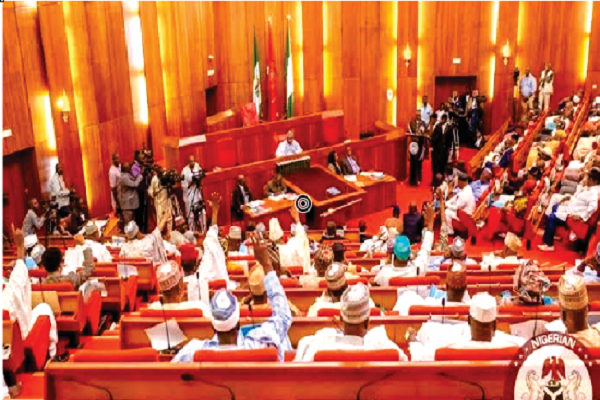
The Senate has ordered an investigation into the death of a National Youth Service Corps (NYSC) member, Etimbuk Daniel, at the Enugu State orientation camp, following concerns over medical care and emergency response services in camps across the country.
The investigation is expected to establish the circumstances surrounding Daniel’s death and determine whether there were lapses in the medical attention provided to him.
The probe will be handled by the Senate Committees on Police Affairs, Judiciary, Human Rights and Legal Matters, Ethics, Code of Conduct and Public Petitions, Youth Development, and Health, in collaboration with the Nigeria Police Force and the Department of State Services (DSS).
The resolution followed the adoption of a motion of urgent public importance sponsored by Senator Aniekan Bassey, who called for a review of medical services in NYSC orientation camps nationwide.
> Bassey expressed concern over Daniel’s death, describing him as a patriotic young Nigerian who had gone to serve his country with hopes of contributing to national development.
>
> He said the incident had raised questions about the quality of healthcare available to corps members during their mandatory national service.
>
> According to the senator, the circumstances surrounding Daniel’s death highlighted concerns about inadequate medical facilities, a shortage of qualified emergency personnel and delays in referring corps members to hospitals when necessary.
>
> He stressed that the government had a responsibility to protect young graduates deployed away from their homes for national service.
>
> Bassey warned that the incident pointed to wider problems in the healthcare arrangements at orientation camps, including allegations of negligence and ineffective emergency response systems
> He maintained that corps members deserved prompt and adequate medical attention throughout their service year.
>
> Citing Section 14(2)(b) of the 1999 Constitution, as amended, Bassey said the security and welfare of citizens remained the primary purpose of government.
>
> He added that Daniel’s death had plunged his family, friends, the student community and the people of Akwa Ibom State into mourning, making a thorough investigation necessary.
>
> The Senate Chief Whip, Mohammed Tahir Monguno, representing Borno North Senatorial District, seconded the motion.
>
> Also speaking, Senator Abdul Ningi, representing Bauchi Central, sympathised with Daniel’s family, Senator Bassey and the people of Akwa Ibom State and Nigeria over the loss.
>
> Ningi urged the relevant committees to come up with practical recommendations that would help prevent similar incidents in the future.
>
> The Senate subsequently observed a minute of silence in honour of the deceased.
>
> Daniel, who was the immediate past President of the Students’ Union Government of Akwa Ibom State University, reportedly died at the Enugu State NYSC orientation camp following allegations that he was given fake medication and did not receive timely medical attention.
>
> Reports indicated that he initially complained of a headache and was given medication, but his condition reportedly worsened afterwards.
>
> In a statement issued a few days ago, the President of the National Association of Nigerian Students (NANS), Akinteye Afeez, said Daniel had asked to be taken to a hospital after his condition deteriorated.
>
> Afeez alleged that approval for further medical attention came too late, and Daniel died before he could be taken to the hospital.
>
> The allegations have heightened calls for accountability and improved healthcare services at NYSC orientation camps.
>
> Thousands of graduates pass through the camps every year, taking part in drills, physical exercises and other activities before being deployed to their places of primary assignment.
>
>
By Tambaya Julius, Abuja
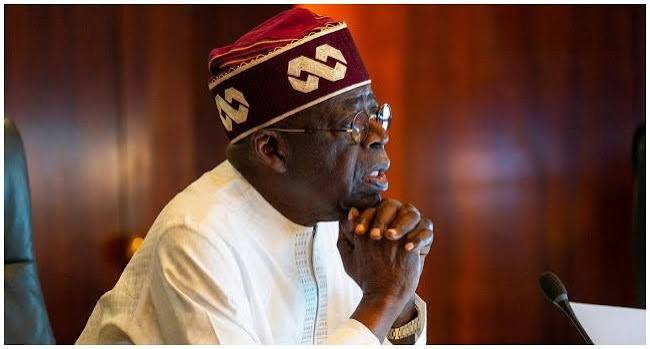
President Bola Tinubu has sent three executive bills to the House of Representatives, seeking to reform drug law enforcement, expand the responsibilities of the Nigerian Safety Investigation Bureau (NSIB) and establish a National School of Government.
The bills, dated October 12, 2026, were conveyed in three separate letters read by the Speaker of the House, Tajudeen Abbas, during plenary on Thursday.
The letters, marked “Restricted”, were received by the Office of the Speaker on October 13.
Tinubu, in the letters, invoked Section 58(2) of the 1999 Constitution, as amended, and urged the lawmakers to give the proposed legislations “expeditious consideration.”
The bills cover the National Drug Law Enforcement Agency (NDLEA), the Nigerian Safety Investigation Bureau and the establishment of a National School of Government to replace the Administrative Staff College of Nigeria (ASCON).
The NDLEA Bill, 2026, seeks to repeal the National Drug Law Enforcement Agency Act, Cap N30, and the Indian Hemp Act, Cap 16, Laws of the Federation of Nigeria, 2004, and replace them with a consolidated legal framework for drug law enforcement.
Tinubu said the proposed legislation would establish a unified framework for enforcing laws against the cultivation, processing, sale, trafficking and use of hard drugs.
He added that the bill would empower the agency to investigate persons suspected of involvement in drug-related activities.
The proposed law is expected to bring provisions currently contained in separate legislations under a single legal framework to guide the agency’s operations.
The NDLEA is responsible for combating illicit drug production and trafficking, investigating drug-related offences and enforcing relevant laws.
It also works to curb the distribution of controlled substances and dismantle drug trafficking networks.
However, the proposed changes will have to undergo legislative scrutiny before they can take effect.
The second bill seeks to amend the Nigerian Safety Investigation Bureau (Establishment) Act, No. 35 of 2022, to expand the agency’s responsibilities beyond aviation accidents and incidents.
Under the proposed amendment, the bureau would become an independent, multimodal safety investigation authority with responsibility for investigating accidents and incidents involving rail, maritime and other forms of transportation.
Tinubu said the amendment was intended to reposition the bureau, expand its mandate beyond aviation, transfer supervisory oversight to the Presidency and strengthen its institutional, operational and administrative capacity.
The proposed expansion would give the NSIB a broader role in investigating transport-related accidents, identifying their causes and making safety recommendations to prevent similar occurrences.
Established under the 2022 Act, the bureau currently investigates accidents and incidents within its statutory mandate and recommends measures to improve safety.
Extending its responsibilities to rail and maritime transport would bring investigations in those sectors under the bureau’s statutory authority, subject to the provisions of the proposed amendment.
The proposed transfer of supervisory oversight to the Presidency would also change the bureau’s existing institutional arrangements.
The third bill, the National School of Government Bill, 2026, seeks to repeal the Administrative Staff College of Nigeria Act, Cap A4, Laws of the Federation of Nigeria, 2004, and establish the National School of Government, Nigeria.
According to Tinubu, the proposed institution would serve as a national centre for leadership development, policy delivery and executive capacity building.
The school is expected to focus on strengthening the skills of public officials, developing leadership capacity and improving policy implementation across government.
ASCON has played a role in training administrators and managers through management training, research and consultancy services for public- and private-sector organisations.
The proposed replacement is aimed at creating a broader institutional framework for leadership development and executive training within the public service.
If passed into law, the bill would establish the legal foundation for the new institution and define its functions and administrative structure.
The three bills will now proceed through the House of Representatives’ legislative process, including consideration by the relevant committees.
Their transmission to the National Assembly marks the beginning of the lawmaking process. The proposed changes must receive the required legislative approval and meet the constitutional requirements for enactment before they can become law.
NEWS
2027: Group Rejects Alleged Rainbow Coalition Plot in Benue, Warns Wike, Akume Of Any Attempt To Thwart Alia’s Reelection.
From Attah Ede, Makurdi
The Benue Alliance for Good Governance and Accountability (BAGA), has raised concerns over an alleged political arrangement involving prominent political figures in Benue State.
The group warned against any attempt to influence the outcome of the 2027 Benue State governorship election without the consent of voters.
The organisation alleged that it has uncovered secret political negotiations involving Wike, Akume and Ortom to unseat Governor Hyacinth Alia, insisting that Alia should be allowed to complete two terms if re-elected.
In a statement signed and made available available to newsmen in Makurdi on Wednesday by its President, Chief John Terfa, the group alleged that the Minister of the Federal Capital Territory (FCT), Nyesom Wike, was involved in discussions with the Secretary to the Government of the Federation (SGF), Senator George Akume, and former Benue State Governor Samuel Ortom over a proposed political alliance reportedly known as the “Rainbow Coalition”.
BAGA further alleged that Wike was seeking political control over five states under the Peoples Democratic Party (PDP) as part of the proposed arrangement to deliver President Bola Tinubu’s re-election in 2027, with Benue reportedly among the states being considered to hand over to Wike through the Rainbow Coalition.
The group also claimed that the alleged discussions were aimed at securing the emergence of former Attorney General of the Federation, Chief Mike Aondoakaa, as a preferred governorship candidate in Benue under the proposed coalition, despite Aondoakaa being banned from holding any political office for life by Supreme Court, for abuse of office when he was the Attorney General.
BAGA questioned why political actors from outside Benue should have a decisive influence over who governs the state, arguing that the choice of governor must remain with the electorate.
“Benue is not a political commodity to be traded behind closed doors in Abuja. The people of the state must have the final say on who governs them and the direction their state takes,” the group said.
The organisation alleged that Wike had held a series of meetings with Akume and Ortom in recent weeks to discuss the reported arrangement.
It further claimed that tensions arose during one of the alleged meetings at Akume’s residence in Abuja recently, where Wike was said to have questioned why Akume had allowed Governor Hyacinth Alia to become so politically powerful.
It was alleged that Wike demanded that Akume should make sure Governor Alia is not re-elected or declared winner in 2027 whether he wins or not and boast of having the judiciary under his control.
BAGA rejected what it described as an attempt to determine Benue’s political leadership through negotiations among powerful individuals, insisting that Governor Hyacinth Alia should be allowed to complete his constitutionally permitted tenure, if re-elected in 2027.
The group said it believed Alia’s administration was performing well in governance and development, adding that political alliances should not be used to undermine the democratic choices of the electorate.
It also criticised the record of Ortom’s administration and expressed concern about what it described as divisions within Benue’s political space arising from the influence of powerful political interests within and outside the state.
BAGA argued that any coalition seeking to influence the 2027 election should be based on transparent principles, competence, accountability and the interests of the people, rather than personal ambition or political bargaining in Abuja.
The group also challenged political actors seeking the support of President Bola Ahmed Tinubu to pursue their ambitions without attaching conditions that could compromise the democratic choices of the voters.
“Benue people are politically conscious. They will not surrender their future to a coalition of political interests formed without their consent,” the statement said.
The organisation called on voters, civil society groups and political stakeholders to remain vigilant and defend the state’s democratic rights ahead of the 2027 elections.
“Whatever colour it is given; Rainbow, PDP or otherwise, the people will reject any arrangement that threatens their collective interests and development,” BAGA said.
“Benue is not Rivers and we will not allow Wike from Rivers State to choose a governor for us in Benue State,” the group added.
According to BAGA, the central issue is whether political negotiations in Abuja will respect the right of Benue voters to determine their own leadership.
The group maintained that the state’s governorship should not be decided through private agreements among political power brokers, but through a democratic process in which the people have the final say.



Nigeria’s inflation drops from 15.39 Per Cent to 14.63 Per Cent in September
ShareBy Tony Obiechina, Abuja The National Bureau of Statistics (NBS) on Thursday disclosed that Nigeria’s inflation has eased from 15.39...


Senate Oders Investigation into Corps Member’s Death in Enugu
ShareBy Tambaya Julius, AbujaThe Senate has ordered an investigation into the death of a National Youth Service Corps (NYSC) member,...
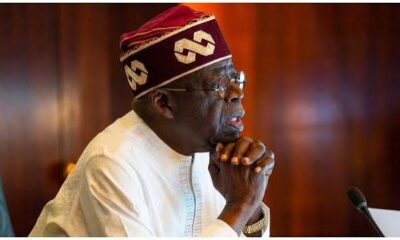

Tinubu Seeks Sweeping Reforms in Drug Laws, Presents Three Bills
Share By Tambaya Julius, Abuja President Bola Tinubu has sent three executive bills to the House of Representatives, seeking to reform...

2027: Group Rejects Alleged Rainbow Coalition Plot in Benue, Warns Wike, Akume Of Any Attempt To Thwart Alia’s Reelection.
ShareFrom Attah Ede, Makurdi The Benue Alliance for Good Governance and Accountability (BAGA), has raised concerns over an alleged political...
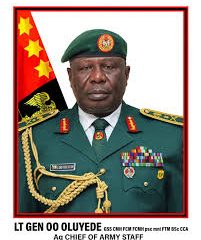

Economic Independence: CDS Empowers Veterans with Skills
ShareThe Chief of Defence Staff (CDS), Gen. Olufemi Oluyede, has reaffirmed the commitment of the Defence Headquarters (DHQ) to improving...

Beyond 23 Per Cent MPR, Should CBN Reconsider 45 Per Cent CRR to Unlock Credit?
ShareBy Blaise Udunze The last Monetary Policy Committee (MPC) meeting of the Central Bank of Nigeria (CBN) was its 307th...
Shame of a Nation: Cacophony Trails Igbokoba Naf Aircraft Crash
ShareThe tragic crash of a Nigerian Air Force (NAF) ATR-42 aircraft, registration number NAF 931, in the swampy terrain of...
CBN: Nigeria’s Foreign Reserves hit $58.81bn, Highest in 18 Years
ShareBy Tony Obiechina Abuja Nigeria’s foreign exchange reserves rose to $58.81 billion on October 12, 2026, their highest level since...


INEC Engages PWDs, Reaffirms Commitment to Inclusive Electoral Process
ShareThe Independent National Electoral Commission (INEC) has restated its commitment to an inclusive electoral process. The Resident Electoral Commissioner (REC)...


2027: Governance Won’t Take Back Seat to Campaigns –Tinubu
SharePresident Bola Tinubu has assured Nigerians that governance will not take a backseat to electioneering ahead of the 2027 presidential...