
OPINION
Petrol Subsidies: How Tinubu Can Save Nigeria N7trn Without Price Hike


By Madaki Ameh
As the Nation awaits the inauguration of Asiwaju Bola Ahmed Tinubu as President of Nigeria on May 29th, 2023, one major apprehension of the citizens is the looming removal of Petrol subsidies, which is now a given, considering that the provisions made in the 2023 budget for PMS subsidies will run out on June 30th 2023.
As inefficient as the subsidy regime has been over the years, successive governments have always kicked the can down the road, expecting that any decision to remove the subsidy would lead to a massive uproar on the part of the citizenry and make the government unpopular from day one. No government, especially a new one with issues around its legitimacy and public appeal, would like to start governance on such a tumultuous note.In fact, if we go down memory lane around this time in 2015 at the inception of the Buhari administration, expectations were high on the removal of fuel subsidies, as it was made a major campaign issue by the APC, with the current President dubbing it a fraud which was benefitting a few corrupt officials and would be removed immediately. Eight years down the road and in the twilight of this administration, the government realized that the issue was a much harder nut to crack, and instead of removing the subsidy as promised during their campaigns, the figures actually grew exponentially year on year, with the current provision in the 2023 budget for the full year at N7 Trillion. If this government would be bowing out of Office with its head literally bowed in shame on any issue, it would be the inexplicable sustenance of the PMS subsidy regime, which it had dubbed a fraud during electioneering campaigns but which became a total mess throughout the tenure of this administration.
One of the very first decisions President Bola Ahmed Tinubu will be forced to take on the assumption of Office would be the removal of subsidy on PMS, with all the attendant consequences for the economy. It is expected that with this decision comes spiralling inflation, cost of living and hardships for an already impoverished citizenry. But this is not necessarily so if the right principles are applied to the pricing of petroleum products.
One of the highest selling points of Asiwaju Bola Ahmed Tinubu during his campaigns for the Office of President in the 2023 elections is his penchant for innovation and engaging the best hands available to him to deliver outcomes not immediately within the contemplation of his admirers and critics, as demonstrated during his tenure as Governor of Lagos State between 1999 and 2007, when he was able to keep Lagos State afloat even when the State was receiving zero allocation from the Federation Account. This arose from a disagreement between himself and then President Olusegun Obasanjo over the creation of new Local Government Areas in Lagos State. That adversity eventually turned out to be a blessing in disguise, as it offered Lagos State, under his leadership, a rare opportunity to innovate and translate the adverse situation into a huge advantage, such that the ability of Lagos State to generate revenue from its resources were brought to the fore, with tremendous positive impacts which successive governments have latched unto to date.
No wonder he has sustained his influence in the State even after having left Office sixteen years ago and has used that to propel himself to the highest Office in the land.
On the issue of subsidies, which has been a self-inflicted injury all these years, there is yet again another opportunity for President Bola Ahmed Tinubu to show his much-touted genius by taking the bold step of halting further wastage of scarce resources on the payment of subsidies, while at the same time saving the hapless citizenry the much-anticipated hardships associated with that decision which everyone has been bracing for. It is not rocket science, as the knowledge exists that will result in the following outcomes immediately:
Total stoppage of any form of subsidies on petroleum products, thereby saving the budgeted N7 trillion or the proportion of it left after June 30th;
Zero increase in the prices of petroleum products as a result thereof;
Harmonization of the prices of all petroleum products dispensed at the pump – PMS, AGO and DPK at the same price, which will be the price currently paid for PMS or less;
Full deregulation of the Petroleum Sector for maximum profitably, employment creation and value addition to the Nigerian economy, probably for the first time in our chequered history.
The above outcomes can be achieved if we refine Nigeria’s crude oil locally, irrespective of the prevailing exchange rates. Indeed, its implementation will immediately shore up the value of the Naira against all other currencies.
The big question is how can these outcomes be achieved. These will require executive decisions which only the President can take, but once taken, they will transform the Nigerian economy in ways better imagined. As the days pass, the details will form part of further engagements and knowledge sharing.
Chief Madaki O. Ameh is a Managing Partner, BBH Consulting and writes from Abuja and can be reached via his email: madakiameh@gmail.com.
By Tochukwu Jimo Obi
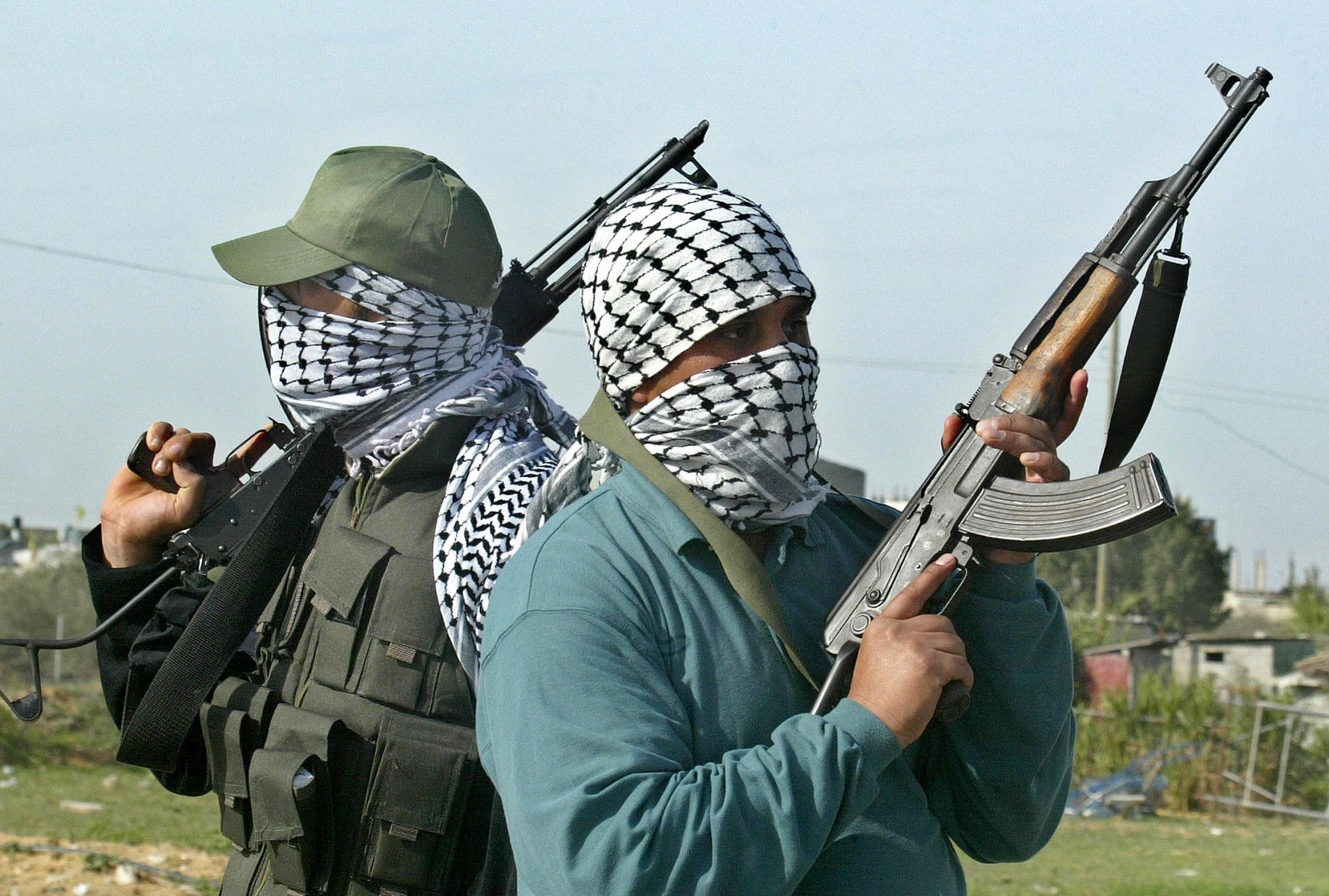
The recent kidnapping of students and teachers in Oriire Local Government Area of Oyo State has once again exposed the frightening state of insecurity confronting Nigeria. Condemnations have continued to trail Friday’s bandits’ attack on three schools in the area, where an unspecified number of students and teachers were abducted, while two persons were reportedly killed.
The tragedy has left families devastated and communities gripped by fear, as another painful chapter is added to the growing list of violent attacks across the country.The attack, which occurred on May 16, saw armed bandits storm the community and abduct staff, students, and pupils from three schools; Community Grammar School, Baptist Nursery and Primary School, and L.
A. Primary School. Eyewitness accounts revealed that the attackers operated for hours without resistance, moving freely through the area while terrified residents watched helplessly. The incident has raised serious concerns about the safety of schools and the preparedness of security agencies to respond swiftly to emergencies.Worst of all, one of the teachers kidnapped during the attack was reportedly beheaded by the terrorists, a horrifying development that has deepened public outrage. Such brutality underscores the dangerous evolution of criminal activities in Nigeria, where terrorists and bandits now operate with alarming boldness and cruelty. The gruesome killing has further strengthened calls for urgent and decisive action from government authorities at all levels.
This unfortunate incident of school attacks is happening yet again despite repeated assurances from security agencies that schools across the country are safe. Nigerians have continued to hear promises of improved intelligence gathering, stronger patrols, and enhanced protection for vulnerable communities, yet attacks persist with devastating consequences. The contradiction between official assurances and the reality on the ground has weakened public confidence in the nation’s security architecture.
Another disturbing trend is that insecurity is rapidly spreading into the South-West region, an area once considered relatively safer compared to other parts of the country. Reports of Lakurawa terrorists and other armed groups establishing footholds in parts of the region have heightened fears that criminal networks are expanding their operations unchecked. The Oyo school kidnapping has therefore become more than a local tragedy; it is a warning sign that no region in Nigeria can afford to feel immune from terrorism and banditry.
Every now and then, government officials continue to assure citizens that security agencies are on top of the situation, yet many innocent people are still being killed and abducted with little or no arrests made afterward. More troubling is the fact that these attacks reportedly lasted for over two hours without any intervention from security operatives. This glaring security failure leaves Nigerians asking difficult but necessary questions about the nation’s emergency response capabilities.
How could terrorists, moving in large numbers on motorbikes, invade communities, abduct many people, and still escape without being tracked, stopped, or pursued effectively? What then are the military aircraft and advanced security equipment acquired with public funds meant for if they cannot be quickly deployed during emergencies? These are questions that citizens deserve answers to, especially as insecurity continues to consume lives and livelihoods across the country.
The Oyo incident has once again strengthened arguments for the establishment of state police across Nigeria. It is now obvious and evidently clear that the country’s centralized security structure requires urgent decentralization, similar to what operates in many secure nations around the world. State policing, if properly regulated and managed, could improve intelligence gathering, rapid response, and community-based security operations, particularly in rural areas that are often neglected under the current system.
It is no longer enough for leaders to merely condemn these attacks without taking concrete and sustained actions to secure the nation. President Bola Tinubu, as Commander-in-Chief of the Armed Forces, must urgently engage all stakeholders in the security sector, including international partners where necessary, to ensure that these terrorists are decisively defeated.
Government must also ensure that budgeted funds meant for security agencies, especially for the purchase of military hardware and equipment, are fully released and properly utilized. Beyond military action, authorities must intensify efforts to prevent the recruitment of vulnerable youths into criminal and terrorist groups. Nigerians are tired of mourning innocent victims. These killings must stop.
Tochukwu Jimo Obi, a concerned Nigerian writes from Obosi Anambra state.
By Fortune Abang
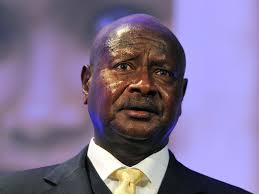
Uganda’s President Yoweri Museveni, 81, sworn in for a seventh term after nearly four decades in power, has once again intensified debate over gerontocracy and political succession in Africa.
Museveni, who first assumed office in 1986, has now extended his rule into a fifth decade, making him one of the world’s longest-serving heads of state.
His latest mandate, expected to run until 2031, follows the January 2026 election in which he secured about 71.65 per cent of the vote, according to official results, defeating opposition leader Robert Kyagulanyi, popularly known as Bobi Wine.
His continued stay in power has been enabled by key constitutional changes over time, including the removal of presidential term limits in 2005 and the abolition of the presidential age ceiling in 2017, reforms that effectively removed legal restrictions on tenure.
Across Africa, analysts say Uganda reflects a broader governance pattern in which long-serving leaders consolidate authority over extended periods.
Comparable examples often cited include Cameroon’s Paul Biya, in power since 1982, and Congo-Brazzaville’s Denis Sassou Nguesso, who first assumed office in 1979, both of whom have also presided over decades of uninterrupted or repeatedly renewed rule.
While Museveni’s supporters argue that his leadership has provided continuity and relative stability in a region frequently affected by conflict, critics say prolonged incumbency has gradually narrowed political competition and weakened institutional independence.
Uganda has maintained a degree of internal stability and played active roles in regional diplomacy and security operations in East and Central Africa.
Supporters point to these outcomes as evidence that long-term leadership can deliver policy continuity and state cohesion.
However, opposition voices and analysts argue that stability has come at a democratic cost, pointing to declining electoral competitiveness, constrained civic space and increasing centralisation of power around the executive.
The debate intensified after the removal of presidential term limits in 2005, followed by the scrapping of the age ceiling in 2017, which together removed two major constitutional barriers to leadership rotation.
These changes have been widely cited by governance analysts as pivotal in reshaping Uganda’s democratic structure.
In the January 2026 election, Museveni again defeated Bobi Wine, who garnered roughly 24.7 per cent of the vote, amid allegations from the opposition of irregularities and political repression during the electoral process.
Supporters of Museveni argue that his long rule has enabled economic transformation, infrastructure development and strengthened Uganda’s role in regional diplomacy.
Some regional leaders, including Burundi’s President Évariste Ndayishimiye, have previously described him as a stabilising figure in East Africa, crediting Uganda with supporting peace processes and regional cooperation.
Yet, critics argue that prolonged rule risks institutional stagnation, where governance structures become overly dependent on individual leadership rather than strong, independent institutions.
Analysts warn that this can weaken succession systems and limit democratic renewal.
A foreign policy analyst, speaking anonymously, said prolonged leadership can normalise “institutional dependence on individuals rather than systems,” arguing that such conditions undermine long-term democratic consolidation.
“No nation can sustainably develop when power remains concentrated in the same hands for decades while institutions fail to mature independently,” he said.
Beyond Uganda, Africa continues to record some of the world’s longest-serving leaders, reinforcing concerns about generational turnover in governance.
In several of these systems, electoral competition remains limited and constitutional reforms have often coincided with extended presidential tenure.
Foreign affairs commentator Collins Nweke argues that the central issue is not age itself, but accountability and leadership renewal, noting that political systems weaken when succession is delayed or constrained.
Other analysts emphasise the importance of civic awareness and institutional safeguards, particularly term limits, which they describe as critical tools for preventing excessive concentration of power.
A diplomat, also speaking on condition of anonymity, called for stronger electoral transparency mechanisms, including credible voter registration systems, independent election management bodies, and robust domestic and international observation frameworks.
An academic, who spoke on condition of anonymity, said stronger civic awareness could help societies resist unconstitutional tenure elongation.
“When citizens are politically informed and organised, sit-tight ambitions lose legitimacy and public support,” he said.
Museveni’s seventh term therefore reflects a wider continental tension between political continuity and democratic renewal, raising questions about whether African democracies are evolving toward stronger institutions or settling into prolonged cycles of personalised rule.
For supporters, his leadership represents stability in a volatile region.
For critics, it signals the entrenchment of gerontocracy and weakening democratic competition.
Between these positions lies a structural challenge that extends beyond Uganda; whether institutions in African states are strong enough to outlast individuals and guarantee orderly political succession. (NAN)
By Bart Nnaji
Africa’s energy journey is often portrayed as a stark choice between climate responsibility and development. In reality, the continent faces a more nuanced challenge: finding a fair, gradual energy transition that matches its unique needs and ambitions.
Technology and innovation can drive this change, helping secure affordable and sustainable energy for all.In the coming decades, Africa’s population is expected to soar to nearly 2.5 billion. Cities will grow. Industries will expand. Digital connections will multiply. The demand for energy will increase significantly.
Right now, expecting Africa to abandon fossil fuels overnight is neither realistic nor fair. In the near future, fossil fuels remain crucial for base power that is reliable, and affordable. In particular, natural gas is key transition fuel that will remain the base power solution for the next decade. Africa must not embrace renewable energy primarily when they have abundance of fossil fuel for their industrialization as other emerging and emerged nations have done. A just energy transition recognises these realities and seeks ways to build cleaner, more resilient systems over time.Technology as the Enabler of Africa’s Energy Future
Exciting new technologies are already reshaping Africa’s energy landscape:
Decentralised solutions, like mini-grids, off-grid solar, and batteries, bring electricity to places traditional grids can’t reach. By 2030, these distributed renewables could provide most new connections in underserved communities.
Smart grids and AI-driven management can reduce waste. They help utilities serve people better.
Modern batteries ensure that solar and wind energy can be delivered steadily, even when the sun isn’t shining or the wind isn’t blowing.
Decentralised approaches are essential to Africa’s path toward universal energy access. While technology is not a fix-all solution, it is a crucial enabler of efficiency, resilience, and affordability, shaping Africa’s energy future.
African entrepreneurs are leading much of this change. They’re developing solutions that meet local needs, such as pay-as-you-go solar, community-run mini-grids, and mobile payment platforms. These innovations don’t just bring power; they create jobs, build skills, and reap economic benefits for the continent.
But innovation alone isn’t enough. Investment is critical. According to the International Energy Agency, Africa needs about $90 billion annually to achieve a successful energy transition, but current funding falls short. Governments can help by setting clear, supportive policies that attract investment and make projects more affordable. Organisations like the African Development Bank say grid investment must rise dramatically, and clean energy spending should double by 2030 to keep up with growing demand.
From Energy Access to Economic and Human Impact
Reliable energy is more than just a technical necessity – it’s what fuels industrial growth. Picture the continent’s factories buzzing with activity, transport networks connecting people and goods, and data centres powering a vibrant digital economy.
Expanding decentralised solutions brings light to places that have been left in the dark for too long. It’s about giving children a place to study at night, helping clinics store vaccines safely, and empowering entrepreneurs to launch new businesses.
Of course, none of this works in isolation. Supportive policies, strong regulations, and partnerships between governments and private companies are essential. When African countries harmonise their rules and work together, they can create bigger markets. This draws even more investment and innovation.
Ultimately, Africa’s energy transition must be shaped by Africans themselves. The path forward is about collaboration, pragmatism, and investing in homegrown solutions. Africa’s mobile phone revolution showed the world how quickly the continent can leapfrog old systems. The same can happen with energy; by embracing flexible, tech-driven models that serve today’s and tomorrow’s needs.
Now is the time to come together to act boldly and invest in Africa’s energy future. By uniting efforts, we can turn potential into progress, ensuring resilient, inclusive, and sustainable energy for generations to come. Let’s power Africa’s future, together.
Prof. Bart O. Nnaji FAS, FA Eng. CON, NNOM – Founder/Chairman, Geometric Power Limited and former Nigerian Minister of Power


Tinubu Visits Benue, Commissions Projects Tomorrow
ShareFrom Attah Ede, Makurdi Benue State is set to host the First Lady of the Federal Republic of Nigeria and National...

Fifa to Pay Somali Referee Artan Full World Cup fee
ShareSomali referee Omar Artan, who was denied entry to the United States to officiate at the World Cup, will still receive his full...
Delegates in China Denounce Xenophobic Attacks
ShareAfrican delegates attending seminars in China have condemned reported xenophobic attacks against foreign African nationals in South Africa and called for greater unity across the continent. The delegates made the...

Kogi Targets 240,000 Children for Schistosomiasis Mass Drug Administration
ShareFrom Joseph Amedu, Lokoja The Kogi State Government said it will reach over 240,000 children aged 5–14 years in 39 wards across 15 Local...


Anambra Urges Residents to Provide Information on Fake Pastors, Others
ShareFrom Sylvia Udegbunam, Enugu The Anambra State Government, under the leadership of Prof. Chukwuma Charles Soludo, has extended the “War Against Fake Native Doctors”...


Boat Mishap Kills 11 in Benue River
ShareFrom Attah Ede, Makurdi No fewer than 11 persons were Saturday night feared dead when a boat said to be conveying them...
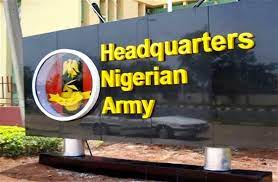

Terrorism: After Gen Rabe’s Death, Buratai Warns of Darker Days Ahead
ShareBy David Torough, Abuja Nigeria’s deepening insecurity crisis has triggered fresh alarm across military, political and religious circles following the...


Black Sunday : Nigeria is bleeding – CAN
ShareBy Laide Akinboade Abuja The Christian Association of Nigeria (CAN), on Sunday, lamented the spate and incessant insecurity challenges across...


Zuba Braces for Major Sickle Cell Awareness Walk, Health Outreach
ShareBy David Torough, Abuja Preparations have reached an advanced stage for the World Sickle Cell Day 2026 Awareness Walk and...


Nasarawa Governor’s Aide Empowers 250 Women in Karu
ShareBy Tambaya Julius, Abuja Two hundred and fifty (250) women from Panda/Kare Electoral Ward in Karu Local Government Area, Nasarawa...