
Health
Senate Directive: Dermatologist Cautions Against Skin Bleaching

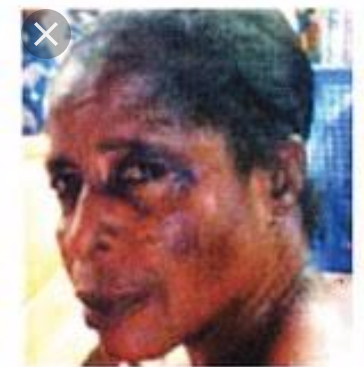
Dr Olarewanju Falodun, the Chief Consultant Dermatologist, National Hospital, Abuja (NHA), has cautioned Nigerians against skin bleaching, saying it may result to health disorders associated with cancer, diabetes and other complications.
Falodun gave the warning in an interview in Abuja on Sunday, noting that the composition of some skin-lightening products may have dire consequences on the entire body. the Senate, on Feb. 18, directed the National Agency for Food and Drug Administration and Control (NAFDAC) to regulate the importation, formulation and sale of cosmetics within Nigeria, especially skin bleaching products.Skin bleaching refers to the use of products to lighten dark areas of the skin or achieve an overall lighter complexion through the use of creams, soaps and pills, as well as professional treatments like chemical peels and laser therapy.
Some people apply skin lightener to their entire body to change their complexion, which experts say can be very risky, as the active ingredient in some skin lighteners is mercury, a toxic agent that can cause serious psychiatric, neurological and kidney problems.According to the consultant dermatologist, some of the body cream products also contain chemicals such as hydroquinone, steroids, cojic acids and others, and their use for a long timemay be hazardous to the skin.Falodun explained that continuous use of creams with such contents would make the topmost layer of the skin to thin out, wrinkle, irritable and may lead to poor healing of wounds.While emphasising that skin bleaching has no health benefit, the expert said “some of these bleaching agents on their own can actually lead to other problems. Some of them contain mercury and that can lead to kidney problem, kidney failure and nephrotic syndrome.“If you use steroid also for a long period, that can affect the blood stream and can affect the blood sugar, and can actually cause diabetes.”The expert, however, urged the public to seek dermatologists’ attention when facing skinproblem for professional medical advice.He said “for me, I believe that if anybody has acne or any skin problem that is disturbing enough, the person should see a dermatologist, who will advise on the best medication for treatment.”He, therefore, commended the Senate directive to NAFDAC to regulate the importation, formulation, and sale of cosmetics, especially bleaching cream within Nigeria due to its harmful effects on users.He advised that people should remain as natural as possible, eat and rest well, and consume lots of water to maintain a healthy and glowing skin.An Abuja-based general practitioner also advised Nigerians against abuse of bleaching creams, saying the act could cause skin cancer, skin damage and other health complications.The practitioner, who spoke on condition of anonymity, told NAN that any bleaching cream used in high amount, more than five per cent could damage the skin, adding that it was good to keep the skin the way God created it than bleaching it.
The expert listed bleaching products to include hydroquinone, steroid cream (Clobetasol propionate) and mercury.
She explained that “hydroquinone is used for the treatment of skin conditions but when cleared, it is advisable to stop just like you take malaria medication and after a prescribed dose, you stop.
“The issue here is the quantity. If the formulation is small, it will not have effect but if it is high concentration, it can cause skin irritation and kidney damage.”
Similarly, she said, steroid cream (clobetasol propanote), which had strong lightening effect on the skin, could also damage the skin when abused.
“It is also used to treat many skin diseases such as psoariasis and contact dermatitis but after treatment, one should stop because of the adverse effect on the body.
“It can cause stretch mark, green veins and bumps on the face. It can also cause the person to add weight and later lead to hypertension,’’ she said.
According to her, mercury, another bleaching product, has been banned in the market, adding that it can cause kidney damage too.
Meanwhile, a cross section of Abuja residents who separately spoke with NAN, said bleaching the skin was alien to the Africa culture, noting that while people bleach to alter their skin colour, they should also think about the side effects.
Cherish Adewale, a corps member, said people bleach to impress others, especially the opposite sex, that is to make others feel they look good.
“It is not good to bleach because of its adverse effects on the skin like irritation, multiple colour skin and bad odour in some cases,’’ she said.
According to her, it will be good for government to ban bleaching creams so that people will not have any option than to appreciate their skin colour.
Similarly, Christine Eke, a student of University of Abuja, said people use bleaching cream because they were not proud of their skin.
“I support the move by the Senate on bleaching creams because it will make us tolerate our culture amidst ourselves and be proud of it.’’
For Christopher Uche, a Public Servant, some people bleach their skin because they are ignorant of its health implications.
However, a cosmetic seller in Abuja who would not want to be identified, said “bleaching is a choice and people should be allowed to decide if they want to tone, bleach or maintain their skin colour.”
He added that the demand for bleaching cream was increasing, “so, whatever people want, we give to them; we are in business, afterall, it is a matter of choice.”
Meanwhile, others described the Senate directive as an infringement on the fundamental rights of the citizenry.
Some said government could ban the importation of bleaching products, but it would be difficult to monitor the use, “as it may not be possible to go about arresting people presumed to be bleaching.”
A resident of Lugbe in Abuja, Mrs Mary Agbo, who commended the move, however, said “some people cannot live without bleaching creams.”
She stressed the need for government and experts to sensitise the public about the negative effects of bleaching, saying most people do it because they were not aware of its implications.
Ada Eze, a resident of Kubwa in the Federal Capital Territory, said although bleaching of the skin was a thing of choice, Nigerians should always be proud of their colour.
Eze said “it is okay if government regulates bleaching cream importation, but it should not be imposed because people bleach for many reasons.
“I don’t know why, but I have seen the case of some parents using bleaching creams on their children.”Mrs Mary Olufemi, a businesswoman in Mpape, a suburb of Abuja, said there was need for government to carry out massive enlightenment campaign on bleaching to discourage many.She also called for tariff hike on importation and sale of such products to discourage the act.Olufemi said “another thing is that some men love women that are fair, hence the reason why some women bleach.“Some women also see it as yardstick for competition to entice the menfolk, others do it out of ignorance believing it is normal, while other women just want to be as fair as others, not minding the consequences and not thinking that others are naturally fair.“The case is same for some men too. Both men and women engage in the unhealthy act for reasons best known to them.”She, however, added that “for me, I see men who bleach their skin as womanisers; there is no reason why a man should bleach his skin if he has no hidden agenda.” (NAN)





From Attah Ede, Makurdi
The United Nations Children’s Fund (UNICEF), has revealed that one out of every four Benue State is stunted and experiencing nutritional deficiencies.
The International organisation further intimated that findings from the 2024 Nigeria Demographic and Health Survey showed that 25.
5 percent of children under five years in the state are stunted, an indication of chronic malnutrition.The UNICEF Nutrition Specialist with UNICEF’s Enugu Field Office, Mrs. Ngozi Onuora, disclosed this during a High-Level Engagement and Planning Meeting for Policymakers, Local Government Councils and Stakeholders on the United States Government-funded initiative, “Preventing Malnutrition in the First 1,000 Days of Life” held in Makurdi, the State capital.
Mrs. Onuora further revealed that only 6.4 percent of children in the state consume the minimum acceptable diet, a figure she described as evidence of poor dietary diversity and inadequate feeding practices.
She appealed to the Benue State Government to make adequate investments in nutrition programmes and release counterpart funding for the Child Nutrition Fund, stressing that malnutrition continues to threaten the health and development of thousands of children in the state.
Mrs. Onuora, explained that the programme was designed to address malnutrition during the critical period from conception to a child’s second birthday, regarded globally as the most important window for physical growth and brain development.
According to her, the initiative is being implemented with funding support from the United States Government and aligns with Nigeria’s Multisectoral Plan of Action for Nutrition.
“Benue and Enugu were among seven states selected nationwide to benefit from the programme, with 12 local government areas chosen in Benue for implementation.
“Nutrition is a foundation of human capital development and investments made during the first 1,000 days of life determine a child’s future health, educational attainment and economic productivity.
“The first 1,000 days of life, from conception to a child’s second birthday, provide a unique opportunity to influence growth, brain development and future productivity. It is during this period that the foundation for a healthy and prosperous society is laid.
“Despite Benue’s reputation as Nigeria’s food basket, the state continues to record worrying nutrition indicators. Findings from the 2024 Nigeria Demographic and Health Survey indicated that 25.5 percent of children under five years in the state are stunted, an indication of chronic malnutrition.
“One out of every four children in Benue is stunted. This means these children are not attaining the expected height for their age because of prolonged nutritional deficiencies,” the Specialist said.
She noted that poverty, displacement caused by insecurity and limited access to nutrition services have compounded the challenge.
According to her, UNICEF recently conducted nutrition screenings in one of the affected local government areas and discovered alarming levels of acute malnutrition among children.
“We screened 127 children and found that only 26 percent were normal. About 46 percent were suffering from Severe Acute Malnutrition, while many others had moderate acute malnutrition. These are figures that require urgent intervention,” she said.
The UNICEF official also highlighted the prevalence of anemia in the state, disclosing that 56 percent of pregnant women and 61 percent of children under five suffer from the condition.
To address the challenge, she said the programme would support the procurement and distribution of nutritional commodities including Small Quantity Lipid-Based Nutrient Supplements (SQLNS), Ready-to-Use Therapeutic Foods (RUTF) and Multiple Micronutrient Supplements (MMS).
She explained that the supplements help prevent malnutrition, reduce anemia and improve the nutritional status of pregnant women and young children.
Mrs. Onuora, however, stressed that the success of the programme would depend largely on the willingness of the Benue State Government to take ownership of it.
“Our request is simple. The state government must own this programme. Development partners can provide technical assistance and support, but sustainability can only come when government invests resources and drives implementation,” she stated.
She also called for nutrition-focused budgets across key ministries and agencies, including Health, Agriculture, Education and Women Affairs, to ensure effective implementation of the state’s nutrition action plan.
Speaking with journalists on the sidelines of the meeting, the Benue State Commissioner for Health and Human Services, Dr. Paul Ogwuche, assured UNICEF and other stakeholders that Governor Hyacinth Alia’s administration remained committed to improving healthcare and nutrition outcomes in the state.
He described the US Government-supported initiative as a welcome intervention and pledged the state’s cooperation.
“We are grateful to the United States Government and UNICEF for this initiative. The Benue State Government is committed to working with partners to ensure that our children are protected from malnutrition and that the programme succeeds,” he said.
Dr. Ogwuche maintained that the present administration had introduced reforms across various sectors and would provide the necessary support for nutrition interventions.
“The Governor has consistently demonstrated commitment to the wellbeing of the people. I can assure you that this programme will receive the needed attention and support from government,” he added.
Also speaking, the Director-General of the Benue State Budget and Economic Planning Commission, Prof. Jerome Andohol, said the fight against malnutrition requires coordinated action across several sectors.
He identified health, education, agriculture, social protection and water, sanitation and hygiene as critical sectors that must work together to improve nutrition outcomes.
Prof. Andohol disclosed that the state was considering budget realignments to create dedicated nutrition funding lines and strengthen monitoring mechanisms to track implementation.
“We want to ensure that nutrition is adequately captured in the budgets of relevant sectors. We also intend to engage local governments so they can contribute to the Child Nutrition Fund alongside the state government,” he said.
The Commissioner for Education and Knowledge Management, Dr. Margaret Adamu, emphasized the link between nutrition and learning, noting that malnourished children often struggle academically.
“A child who is not properly nourished cannot effectively learn. Nutrition is therefore not only a health issue but also an education and development issue,” she said.
She advocated greater public awareness on healthy feeding practices and the use of locally available food products to improve children’s diets.
The meeting attracted commissioners, local government chairmen, development partners and other stakeholders who deliberated on strategies for reducing malnutrition and improving maternal and child nutrition across Benue State.
Stakeholders agreed that stronger government commitment, increased funding and sustained multi-sectoral collaboration would be essential to achieving lasting improvements in nutrition and securing a healthier future for children in the state.
The Hajiya Gambo Sawaba General Hospital (HGSGH) Fistula Centre, Zaria, has successfully repaired over 2,000 obstetric fistula cases since its establishment in 1999.
Chief Surgeon of the centre, Dr. Mohammed-Ado Zakari, disclosed this on Saturday during the 2026 commemoration of the International Day to End Fistula held at the hospital in Zaria.
According to Zakari, the centre currently performs an average of 150 repairs annually, with a success rate of over 70 percent.
The chief surgeon said five doctors and several nurses had also been trained at the centre under the mentorship of Dutch Fistula Surgeon, Dr.
Kees Waaldijk.He said the centre was established through collaborative efforts of the Kaduna State Government, Rotary International, and Waaldijk to address the growing burden of obstetric fistula in northern Nigeria.
Zakari described obstetric fistula as an abnormal opening between the vagina and the bladder or rectum, caused mainly by prolonged obstructed labour, resulting in continuous leakage of urine or stool.
He said the condition remains a major public health and social problem, particularly among rural women with poor access to quality maternal healthcare.
The surgeon revealed that globally, more than two million women “are living with untreated obstetric fistula, while between 50,000 and 100,000 new cases occur annually.”
He added that Nigeria alone may have between 100,000 and one million women living with untreated fistula.
Zakari identified early marriage, home delivery, shortage of skilled birth attendants, poverty, and prolonged obstructed labour as major causes of the condition.
He also raised concerns over increasing cases linked to medical quackery and poor surgical practices.
According to him, over 60 percent of private clinics in Zaria do not have qualified medical personnel to handle maternal healthcare needs.
“We currently have patients who are victims of such unqualified medical personnel undergoing fistula repairs at the centre.
“I am retired and own a private hospital, but I know that the priority of some private clinics is money, not patient-centred services,” he said.
The surgeon, however, commended the Federal Government for interventions through the Basic Health Care Provision Fund (BHCPF) and the Comprehensive Emergency Obstetric and Newborn Care (CEmONC) initiatives.
The 2026 theme for the International Day to End Fistula is: “Her Health is a Right: Invest in Ending Fistula and Childbirth Injury”.
The centre used the occasion to hold a special session for traditional and religious leaders.
The session urged participants to leverage the state health insurance scheme and other federal government’s interventions to improve access to quality, subsidized medical care.
Medical Director of the hospital, Dr. Hassan Adamu, reiterated the hospital’s commitment to providing robust health services to VVF patients.
He called for increased investment by governments, development partners, and philanthropists to strengthen maternal healthcare services and eliminate fistula and childbirth injuries.
In his remarks, Alhaji Sambo Shehu-Idris, District Head of Zaria and Kewaye, commended the centre for the event.
Idris, represented by Alhaji Ibrahim Sarki, Ward Head of Madarkaci, lamented that traditional leaders were closest to the communities and often reported the presence of quack centres.
He, however, said the lack of action by relevant authorities had made them targets of illegal operators.
The Kano State Contributory Healthcare Management Agency (KSCHMA) said it has enrolled vulnerable groups, including hypertensive and HIV patients and inmates in correctional centres, into the state’s healthcare insurance scheme.
The Executive Secretary of the agency, Dr.
Rahila Aliyu-Mukhtar, disclosed this in an interview on Friday in Kano.Aliyu-Mukhtar said the agency had enrolled more than 6,000 vulnerable hypertensive patients across the state to help them access medications and investigations they ordinarily could not afford.
According to her, the intervention has contributed to reducing complications arising from hypertension in the state.
“We received a nationally generated report indicating that Kano State has reduced complications arising from hypertension.
“This can be attributed to the hypertensive patients we enrolled under the scheme,” she said.
The executive secretary added that more than 6,000 people living with HIV have also been enrolled in the programme.
She explained that although antiretroviral drugs were provided through donor support, beneficiaries still require healthcare support for other illnesses such as malaria, typhoid, diabetes, and hypertension.
Aliyu-Mukhtar further disclosed that the agency had concluded plans to enroll 6,000 tuberculosis patients under its vulnerable group programme.
“We realised that TB patients also need support beyond their TB medications because secondary health conditions may arise,” she said.
She also said the agency had enrolled all inmates in correctional centres across the state, describing it as the first initiative of its kind in the country.
Aliyu-Mukhtar noted that the initiative earned the Kano State Government commendation from the Controller-General of Corrections.
According to her, other states have contacted the agency to understudy the implementation model adopted by Kano State.
She said the agency remained committed to reducing out-of-pocket healthcare spending and improving access to healthcare services for vulnerable residents.




Nasarawa Governor’s Aide Empowers 250 Women in Karu
ShareBy Tambaya Julius, Abuja Two hundred and fifty (250) women from Panda/Kare Electoral Ward in Karu Local Government Area, Nasarawa...


Benue CAN Deputy Chair Makes Case for Less Privileged, Vulnerable in Society
ShareBy Attah Ede, Makurdi The Deputy Chairman Christian Association of Nigeria CAN Benue State Chapter, Rev. Jonathan Terwase Ugbede has...


FG Saves N61.58bn Through Early Fertiliser Procurement, Secures Supply for 2026 Farming Season
ShareBy Raphael Atuu ,Abuja The Federal Government has saved approximately ₦61.58 billion (US$43.99 million) and secured fertiliser supplies for the...


Democracy Day: Renewed Hope Agenda Laying Foundation for Sustainable Growth, Says Nasarawa SSG
ShareFrom Abel Zwanke, Lafia. The Secretary to the Government of Nasarawa State and Renewed Hope Ambassador, Shuaibu Magaji Labaran, has...


One out of every four children in Benue suffering nutritional deficiencies- UNICEF
ShareFrom Attah Ede, Makurdi The United Nations Children’s Fund (UNICEF), has revealed that one out of every four Benue State...
Niger Debunks School Attack Rumours
ShareThe Niger Government has reassured parents, guardians, students, and the general public that schools across the state remain safe and conducive for teaching and learning. This was contained in a statement signed by...


Pope Leo Visits Canary Islands, Highlights Perilous Journeys of Migrants
ShareBakary Jaiju was 19 when he climbed into a wooden boat in the Gambia and set out for Europe. He...


Diri Signs PWDs, BMUTH Bills into Law
ShareFrom Mike Tayese, Yenagoa Bayelsa State Governor, Senator Douye Diri, has signed the Persons with Disabilities (PWDs) and the Bayelsa Medical...


Democracy Day: FG Declares Friday Public Holiday
ShareThe Federal Government has declared Friday, public holiday to commemorate Nigeria’s 27 years of unbroken democratic rule. This was contained in a statement on Thursday in Abuja, by...

NUJ Osun Condemns Arrest of Secretary, Demands Public Apology from Police
ShareFrom Ayinde Akintade, Osogbo The Osun State Council of the Nigeria Union of Journalists (NUJ) has condemned the arrest and detention of its Secretary, Olalekan Akindoju, by...