
NEWS
Tinubu Unveils 20-Year North Central Economic, Infrastructural Growth Plan

By David Torough, Abuja
President Bola Tinubu has directed the timely release of funds due to Regional Development Commissions across the country, while warning their boards and managements against corruption, waste, politicisation and projects that fail to deliver tangible benefits to citizens.
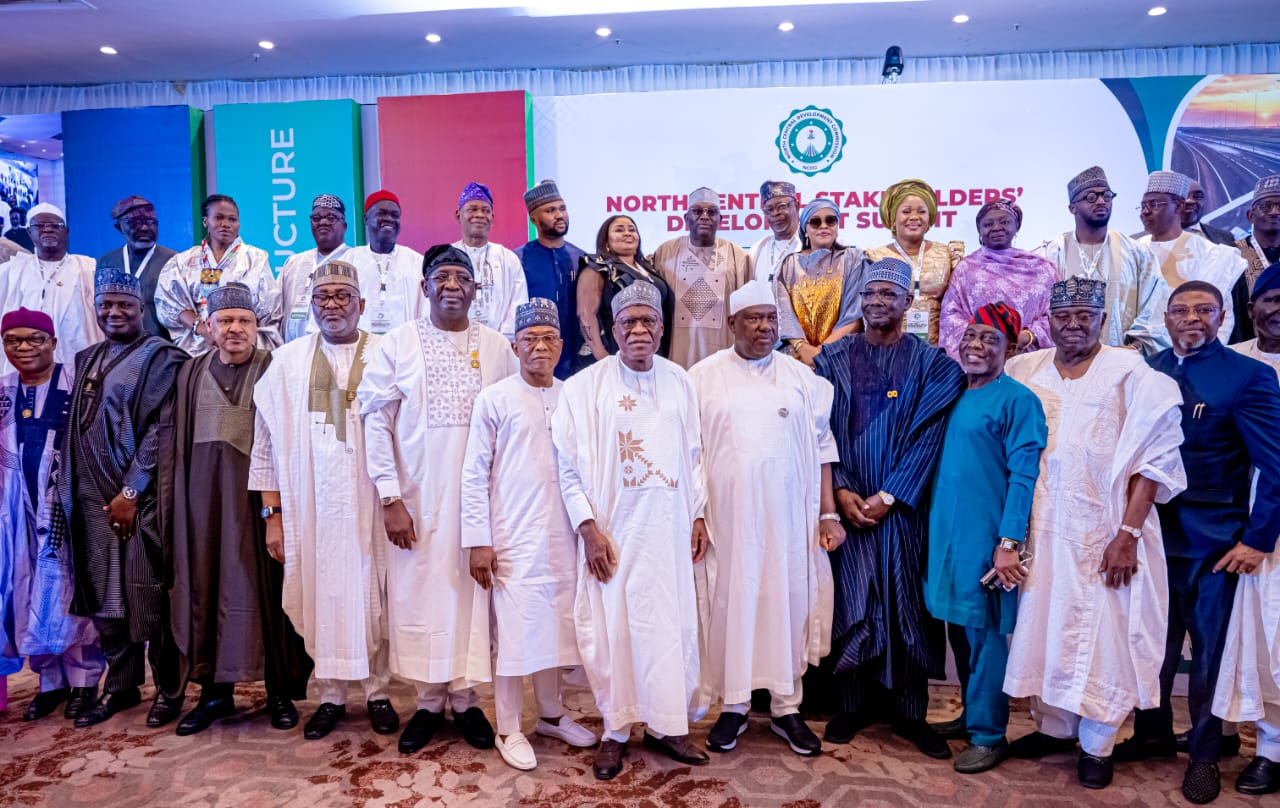
The President gave the directive on Monday at the first-ever North Central Stakeholders Development Summit in Abuja, where the North Central Development Commission (NCDC) unveiled a draft 20-year Economic, Infrastructural and Social Development Plan designed to transform the region into an integrated and globally competitive economy.
Tinubu, represented by the Secretary to the Government of the Federation, Senator George Akume, said the Federal Government would continue to provide political and financial support to the commissions to enable them implement projects capable of unlocking the economic and industrial potential of their respective regions.
“I therefore direct the Secretary to the Government of the Federation to ensure that all funds accruable to the Commissions are released as and when due,” the President said.
He, however, cautioned the commissions against depending entirely on government funding, urging them to explore public-private partnerships, donor funding and development finance, where permitted by law and government regulations.
The President said the establishment of the Regional Development Commissions was part of the Renewed Hope Agenda to accelerate development and address longstanding economic and infrastructural gaps.
He stressed that the commissions were not created to replace, duplicate or usurp the functions of state or local governments or existing federal institutions.
Rather, he said, they were designed to close development gaps and provide regional solutions to challenges that cut across state boundaries.
Tinubu identified roads, railways, air transportation, industrialisation, security, investment, human capital development, education and healthcare as critical areas requiring coordinated intervention.
He urged the commissions to develop clear, attainable and adequately funded programmes, warning that the era of “white elephant projects” was over.
“There is no excuse for the Commissions to become another conduit for wasting public funds,” he said, adding that the government would sanction officials found culpable of corruption, marginalisation, politicisation or ethnicisation of their operations.
Tinubu, while endorsing the 20-year planning approach, urged stakeholders to ensure that the blueprint reflected the aspirations of the people and was implemented rather than becoming another policy document.
“This Summit should not end up as one of those platforms where ideas are ventilated and reports generated only to be left dusting on the shelves,” the President said.
The Federal Government, meanwhile, announced plans to conduct a comprehensive performance audit and peer review of all Regional Development Commissions nationwide.
The Minister of Regional Development, Abubakar Momoh, disclosed this at the summit, warning that the commissions must operate strictly within government policies, laws and public-sector governance frameworks.
He said the outcome of the exercise would be submitted to President Tinubu and would help determine whether individual commissions had fulfilled their statutory mandates.
“These regional development commissions are not private enterprises. They are government establishments governed by government rules and all extant regulations,” Momoh said.
The minister urged the commissions to move beyond routine interventions and embrace integrated planning, comparative advantages, infrastructure connectivity, human welfare and sustainable peace.
He commended the NCDC and North East Development Commission for demonstrating early capacity and vision, while urging other commissions to emulate institutions that had moved from transactional to transformative development.
The Minister of State for Regional Development, Uba Maigari Ahmadu, said the Federal Government was also working with the National Economic Council, the six regional development commissions, the National Regional Development Policy Drafting Team and development partners to harmonise the National Regional Development Policy for 2026–2030.
The policy, he said, would provide a unified framework for regional planning, prioritisation and resource mobilisation and would be submitted to the Federal Executive Council after the harmonisation process.
The commission’s Managing Director and Chief Executive Officer, Dr Cyril Tsenyil, who presented the NCDC’s draft 20-year development plan, said the summit represented a turning point for the North Central region.
The plan covers Benue, Kogi, Kwara, Nasarawa, Niger, Plateau and the Federal Capital Territory, with emphasis on transportation, agriculture, security, entrepreneurship, industrialisation, employment, health, education, housing, water, electricity and telecommunications.
Tsenyil said the NCDC was not established to replace the six state governments and the FCT or duplicate existing federal agencies, but to serve as a regional coordination, development and investment-enabling platform.
He said the region must abandon fragmented, state-by-state economic planning and begin operating as a coordinated regional economy.
“Investors do not see the boundary between Benue and Nasarawa, or between Kogi and Niger, the way governments do. They see markets, supply chains, corridors, resources and labour pools,” he said.
According to him, the North Central must compete globally by collaborating regionally, with agricultural production linked to processing, minerals converted into industrial inputs and roads, railways, waterways and dry ports developed as interconnected economic corridors.
He said the region should aspire to become one of Africa’s most competitive agro-industrial zones rather than merely serving as a supplier of raw agricultural commodities.
The commission also plans to deploy structured “Deal Rooms” to connect bankable regional projects with commercial and development finance.
Tsenyil said the objective was to ensure that the summit produced concrete investments, project pipelines and measurable commitments rather than another set of reports left on government shelves.
“Five years from now, we should be able to say how many jobs were created, how much private capital was mobilised and how many kilometres of strategic infrastructure were delivered,” he said.
Tinubu said the North Central possessed enormous potential in agriculture, food production and agro-processing, solid minerals, industrial development, peace and security, but had operated below its capacity for too long.
He urged the NCDC and stakeholders to use the summit to chart a new development trajectory while complementing Federal Government efforts to address insecurity in the region.
The President said the government had intensified surveillance and intelligence gathering, established additional security formations, deployed more personnel, increased criminal prosecutions and supported dialogue and reconciliation.
He stressed that meaningful development could only take place in an atmosphere of peace and security.
Nasarawa State Governor and Chairman of the North Central Governors’ Forum, Abdullahi Sule, also called for realistic economic planning focused on industrial processing and resource development.
Sule cited the region’s agricultural resources and growing solid-mineral industries, including lithium and cement processing in Nasarawa and cement, rice and sesame production in Benue, as evidence of the region’s capacity for economic transformation.
But he said natural resources alone would not deliver prosperity without strategic leadership, competent implementation and accountable governance.
The summit brought together ministers, governors, lawmakers, traditional rulers, development partners and private-sector leaders, with participants seeking to establish investment pipelines and a coordinated framework for economic, infrastructural and social development across the North Central.
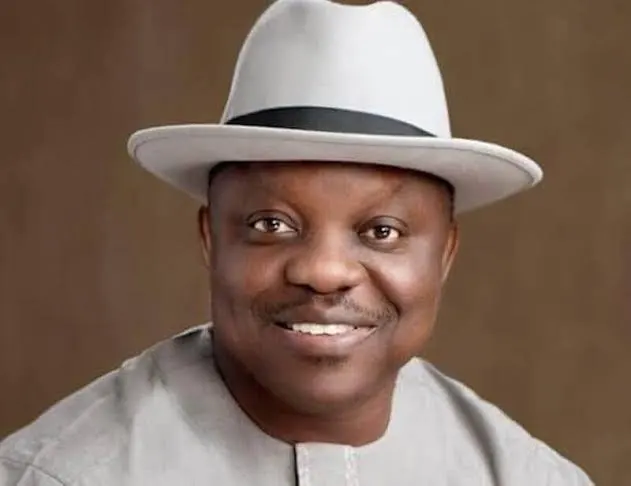
Bayelsa State Government and the South-South Governors Forum (SSGF) have extended their condolences to the government and people of Delta State on the passing of a former governor of the state, Dr. Emmanuel Eweta Uduaghan.
They also commiserated with the Uduaghan family, his wife, Deaconess Roli Uduaghan and their children, on the painful loss.
Dr.
Uduaghan died on Monday, October 19, 2026 aged 71.In a statement issued by his Chief Press Secretary, Daniel Alabrah, the Bayelsa Governor, Senator Douye Diri, who is also chairman of the SSGF, said the state and the South-South governors received the news with a profound sense of sorrow.
They described Uduaghan as an exceptional public servant, who was committed to the transformation of Delta State before, during his time as governor and after he left office.
“On behalf of the government and people of Bayelsa State and the South-South Governors Forum, I extend our deepest condolences to our brother-governor, Rt. Hon. Sheriff Oborevwori, and the people of Delta State over the death of Dr. Emmanuel Uduaghan.
“We also express our heartfelt sympathies to the entire Uduaghan family, his wife and children.
“The late former governor was reputed as an exceptional public servant, a consummate bridge-builder and a gentleman.
“His shining legacies, remarkable leadership and people-centred governance style endeared him to many in Delta State and beyond.”
Governor Diri prayed that the Almighty God comfort the family and the people of Delta State at this moment and grant them the fortitude to bear the loss.
From Francis Sadhere, Delta
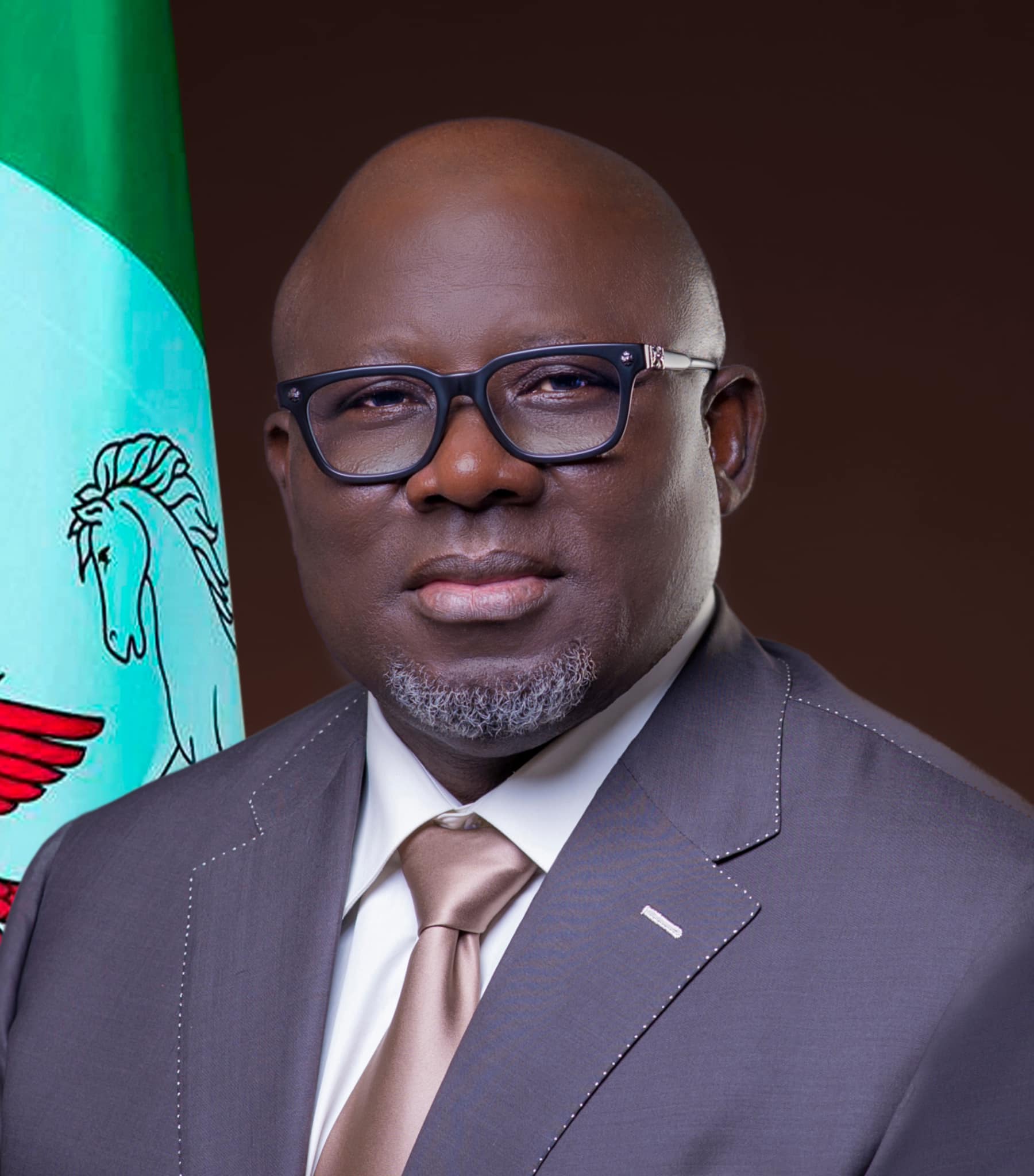
Delta State has emerged as the best-performing state in liquidity rating among Nigeria’s 36 states, Commissioner for Finance, Sir Fidelis Okenmor Tilije, has disclosed.
Tilije attributed the development to fiscal discipline, improved internally generated revenue and prudent management of public funds by the administration of Governor Sheriff Oborevwori.
The commissioner made the disclosure during a meeting with management and staff of the Ministry of Finance in Asaba, where he outlined the financial policies and strategies supporting the state government’s development agenda.
He said the administration’s M.O.R.E Agenda had strengthened the state’s financial position through responsible borrowing practices, revenue diversification and reforms designed to improve public financial management.
According to him, Delta State is currently financing its 2026 procurement cycle and implementing major projects across the road, bridge, healthcare and education sectors without taking on new loans.
Tilije described the government’s zero-borrowing approach as a deliberate fiscal policy aimed at meeting development needs with available resources while preventing the accumulation of additional debt.
He explained that the expansion of the state’s revenue base, particularly through non-oil economic activities and improved internally generated revenue, had contributed significantly to its financial stability.
The commissioner stressed that the increase in IGR was not achieved through higher tax rates but through reforms that strengthened revenue collection, widened the tax net, improved compliance and checked leakages.
He added that the government was also working towards introducing more economically sustainable empowerment programmes to improve livelihoods, stimulate economic activities and create greater opportunities for residents.
On workers’ welfare, Tilije said the state had maintained regular salary payments to more than 60,000 public servants, with salaries consistently paid between the 24th and 25th of every month.
He also cited the institutionalisation of the 13th-month salary for public servants as evidence of the administration’s commitment to workers’ welfare and financial security.
In the health sector, the commissioner said the government had sustained free medical services for pregnant women and children below five years of age in government hospitals.
He noted that efforts were also ongoing to upgrade primary healthcare centres across the state to improve access to essential medical services.
Tilije assured residents that the administration would continue to prioritise fiscal responsibility, infrastructure development and investment in human capital, maintaining that prudent management of public resources remained central to achieving its development objectives.
He urged Deltans to support Governor Oborevwori’s re-election bid in 2027, expressing confidence that a continuation of the administration would enable it to consolidate its achievements and pursue further development across the state.
By Tambaya Julius, Abuja
The Nigeria Customs Service (NCS) and the Joint Admissions and Matriculation Board (JAMB) are considering areas of cooperation to improve their operations and strengthen service delivery.
The Comptroller-General of Customs, Adewale Adeniyi, received the JAMB Registrar, Professor Segun Aina, and his delegation at the Service’s Operational Headquarters in Maitama, Abuja, on Friday, October 16, 2026.
During the meeting, Adeniyi praised JAMB for its progress over the years, particularly its use of technology, timely release of examination results and improved placement of candidates into tertiary institutions.
He said the Board’s adoption of technology had made its operations more efficient and improved the process of placing candidates in higher institutions.
“The improvement JAMB has recorded over the years, particularly through the integration of technology into its operations, is commendable,” Adeniyi said.
He expressed confidence in Aina’s ability to sustain the gains and urged the Board’s management team to support his leadership.
The Customs chief also welcomed JAMB’s offer to make its electronic facilities available to the Service.
He explained that Customs officers serving across the country sometimes need designated centres to sit examinations and carry out other official activities.
He said access to the facilities would make it easier for the Service to organise such exercises when necessary.
On JAMB’s request for operational vehicles, Adeniyi acknowledged the importance of transportation to the Board’s nationwide activities.
He said the Service would explore possible ways to assist, depending on available resources and the applicable framework.
Aina said the visit was aimed at establishing a working relationship between the two organisations and identifying areas of mutual support.
“We want to formally come and introduce ourselves. We recognise the important work the Nigeria Customs Service is doing and are aware of the operations you carry out,” he said.
The JAMB registrar disclosed that the Board serves about five million people annually, operates Computer-Based Test (CBT) centres across Nigeria and conducts examinations in more than 15 countries.
He added that JAMB provides electronic services to government agencies and professional bodies, noting that its nationwide operations require adequate vehicles to reach communities, including local government areas, for candidate verification and monitoring of examination standards.
Aina stressed that effective transportation was necessary to ensure proper supervision, protect the integrity of examinations and maintain compliance with established procedures.
Both organisations expressed their willingness to explore practical areas of cooperation, share available resources and support each other in addressing their operational needs.




Uduaghan: Bayelsa, South-South Govs Condole With Delta, Family
ShareBayelsa State Government and the South-South Governors Forum (SSGF) have extended their condolences to the government and people of Delta...


Delta Tops States in Liquidity Rating, Says Tilije
ShareFrom Francis Sadhere, Delta Delta State has emerged as the best-performing state in liquidity rating among Nigeria’s 36 states, Commissioner...

Wasted Years In The Printing Profession: Can Clement Koko’s Bold Leadership Usher In A New Dawn?
ShareAfter Years of Leadership Crises and Missed Opportunities, the New CIPPON President, Clement koko Takes the Battle to Paper Manufacturers...
Adeniyi, JAMB Registrar Seek Operational Synergy
ShareBy Tambaya Julius, Abuja The Nigeria Customs Service (NCS) and the Joint Admissions and Matriculation Board (JAMB) are considering areas...


NLC Suspends FCT Indefinite Strike
ShareThe Nigeria Labour Congress (NLC), Federal Capital Territory (FCT) Council, has suspended its indefinite strike and directed all affected workers,...


APC Dismisses Alleged Plot to Assassinate Atiku
ShareThe All Progressives Congress (APC) Presidential Campaign Council (PCC) has dismissed allegations that the Federal Government is plotting to assassinate...

2027: We’ll Deliver Rivers, FCT for Tinubu – Wike
ShareBy Laide Akinboade, Abuja The Minister of the Federal Capital Territory (FCT), Nyesom Wike, has declared that the All Progressives...

Tinubu’s Three Bills and the Burden of Government
ShareBy Tom Chiahemen A government that asks its citizens to endure the pain of economic reform must demonstrate a corresponding...
DMO Raises N2.02trn As FGN Bond Yields Rise To 17.29 Per Cent
ShareBy Tony Obiechina, Abuja Yields on Federal Government of Nigeria (FGN) bonds increased by as much as 50 basis points...

Anxiety Grips FCT Residents As FG Confirms Ebola Disease Case
ShareBy Laide Akinboade, Abuja The Federal Government (FG), on yesterday confirmed one case of Ebola disease in the Federal Capital...