
Business News
Wasted Years In The Printing Profession: Can Clement Koko’s Bold Leadership Usher In A New Dawn?

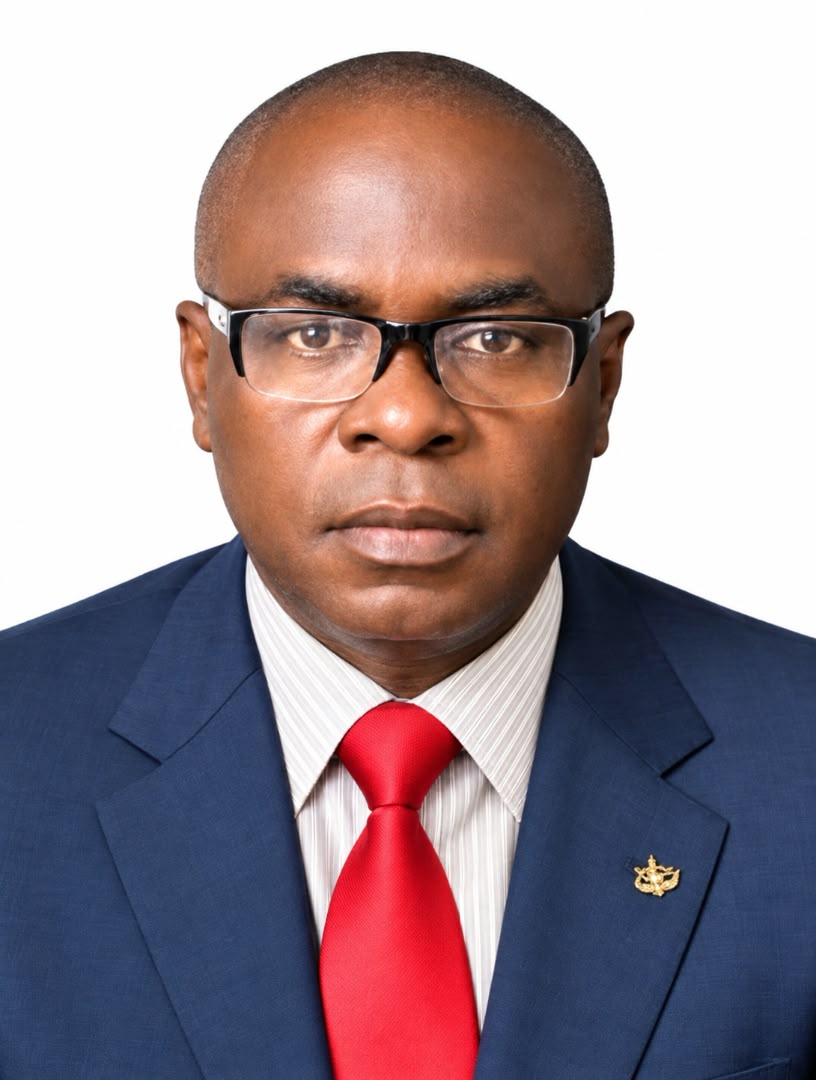
After Years of Leadership Crises and Missed Opportunities, the New CIPPON President, Clement koko Takes the Battle to Paper Manufacturers in Search of Solutions to the Industry’s Challenges
By Pius Ade Babaleye
There comes a time in the history of every profession when its members must pause, reflect, and ask themselves a fundamental question: How much progress have we made, and how many opportunities have we lost because of leadership failures, internal disagreements, and misplaced priorities?
*For Nigeria’s printing industry, that question has become increasingly important.
*For years, professional printers have battled the rising cost of paper and other printing materials, dwindling profit margins, difficult business conditions, and the struggle to sustain their businesses in an increasingly challenging economy. Yet, beyond these economic realities, the profession has also endured institutional disagreements, leadership crises, and divisions that have weakened its collective voice and distracted attention from the pressing needs of practitioners.
The painful question is whether the printing profession could have achieved much more if its leaders had devoted greater attention to the welfare of members, industrial development, and the pursuit of practical solutions rather than allowing personal interests and institutional rivalries to overshadow the collective mission.
*While the past cannot be rewritten, the future can still be rescued.*
Today, a new opportunity appears to be emerging following the bold initiative of the newly elected National President of the Chartered Institute of Professional Printers of Nigeria (CIPPON), Mr Clement Koko, who has demonstrated a willingness to move beyond rhetoric and confront one of the most pressing challenges facing printers: the high cost and accessibility of printing materials.
His recent engagement with paper manufacturers in Ogun State may well become a defining moment in the renewed quest to reposition Nigeria’s printing industry for growth, stability, and prosperity.
*THE YEARS WE LOST: WHEN LEADERSHIP CRISES OVERSHADOWED PROFESSIONAL PROGRESS*
No profession can achieve its full potential when the energy that should be devoted to development is continually consumed by internal struggles.
Nigeria’s printing industry has not been immune to this unfortunate reality. Over the years, disagreements surrounding leadership, institutional relationships, and the direction of the profession have contributed to an atmosphere in which collective advancement has too often struggled to receive the attention it deserves.
While professional disagreements are not unusual in any organised sector, the real concern arises when such disagreements become prolonged, distract from the welfare of practitioners, or prevent institutions from working together to address shared challenges.
The consequences are felt most severely by ordinary printers, particularly small and medium-sized business owners who must contend daily with the high cost of materials, overhead expenses, staff salaries, equipment maintenance, and customers who expect affordable services despite rising production costs.
For these practitioners, professional leadership must mean more than titles, positions, ceremonies, and public pronouncements.
It must translate into tangible benefits.
It must mean advocacy for better business conditions, stronger relationships with manufacturers, improved access to raw materials, professional development, and policies that support the survival and expansion of printing businesses.
The printing profession has lost valuable time to crises and disagreements. The priority now must be to recover that lost ground through purposeful leadership, genuine unity, and measurable achievements.
The challenge before the present leadership is therefore not merely to manage an institution but to rebuild confidence in the capacity of professional associations to deliver meaningful results.
CLEMENT KOKO: A PRESIDENT TAKING THE BATTLE TO THE MANUFACTURERS
In what deserves commendation as a practical and forward-looking initiative, the new National President of CIPPON, Mr Clement Koko, has taken a step towards confronting the high cost of printing materials through direct engagement with paper manufacturers.
Rather than allowing the concerns of printers to remain confined to meetings, complaints, and conversations within professional circles, the CIPPON president led a national delegation of printing stakeholders on a working visit to two paper-manufacturing companies in Ogun State.
The companies visited were Everest Paper Manufacturing Company in Ibefun and Nixin Paper Mills in Sagamu.
The mission was straightforward but significant: to open a channel of communication between professional printers and paper manufacturers, explore areas of mutual cooperation, and seek practical ways of improving access to essential printing materials.
At both facilities, the delegation was welcomed by the respective management teams and conducted around the production facilities to gain firsthand insight into their manufacturing operations.
The factory tours were followed by roundtable discussions with company executives, during which the participants explored opportunities for cooperation and ways of establishing a more productive relationship between manufacturers and professional printers.
This approach deserves recognition because it takes the conversation directly to the source of a critical industry challenge.
A leader who identifies a problem and mobilises stakeholders to seek solutions has already taken an important step towards delivering results.
Although the ultimate success of this initiative will depend on its practical outcomes, Mr Koko’s decision to pursue direct engagement represents a promising beginning.
It is a reminder that professional leadership must be measured not simply by what leaders say but also by the problems they are prepared to confront.
*WHY PRINTERS DESERVE THIS KIND OF LEADERSHIP*
The high cost of printing materials has become a serious concern for practitioners across Nigeria.
Paper remains one of the essential inputs in printing, publishing, packaging, advertising, education, branding, and numerous other commercial activities. When its price rises sharply, the impact spreads throughout the entire value chain.
Printers face the difficult task of adjusting their charges without losing customers. Publishers struggle to control production costs. Small printing businesses find it increasingly difficult to compete, while consumers ultimately bear some of the additional costs.
The situation calls for sustained engagement among manufacturers, distributors, professional associations, and other relevant stakeholders.
It is important, however, to recognise that paper prices can be influenced by several factors, including production costs, imported inputs, foreign exchange, transportation, energy, distribution expenses, and market conditions.
Consequently, no single factory visit can automatically resolve every pricing challenge confronting the industry.
Nevertheless, direct engagement creates an opportunity to understand these factors better, explore more efficient supply arrangements, and determine whether professional printers can benefit from more competitive purchasing options.
*That is precisely why the initiative deserves encouragement.*
If sustained through constructive negotiations and clear follow-up arrangements, the engagement could open the door to improved supply relationships, bulk-purchasing opportunities, greater price transparency, and more predictable access to paper.
These are the kinds of practical interventions that can make a meaningful difference in the daily lives of printing professionals.
*AN ENCOMIUM TO MR CLEMENT KOKO: LEADERSHIP MUST BE ABOUT SERVICE, NOT SELF-INTEREST*
Special commendation goes to Mr Clement Koko, the newly elected National President of CIPPON, for demonstrating an encouraging willingness to confront an issue that directly affects the economic survival of professional printers.
His initiative sends an important message to the printing community: the challenges of the profession cannot be overcome by sitting back and waiting for circumstances to improve.
They require engagement, consultation, courage, strategic thinking, and a determination to explore solutions, even when the problems are complicated.
The significance of his action lies not in the factory visit alone but in the leadership philosophy it represents.
It reflects an understanding that the office of a professional leader is a platform for service, responsibility, advocacy, and problem-solving.
At a time when many printers are anxious about the future of their businesses, initiatives that seek to address the cost of production deserve to be encouraged, strengthened, and sustained.
Mr Koko deserves commendation for taking this step early in his tenure and for bringing relevant stakeholders together around an issue of common concern.
His approach also presents an opportunity to rebuild confidence in professional leadership by demonstrating that the needs of practitioners can be placed at the centre of institutional priorities.
The printing industry does not need leaders who are satisfied with occupying positions; it needs leaders who are determined to make those positions count.
It needs leaders who can listen to the complaints of ordinary members, understand the realities of the marketplace, engage powerful stakeholders, and pursue outcomes that improve the working conditions of practitioners.
It needs leaders who appreciate that the strength of a professional institution is ultimately reflected in the progress of the people it represents.
*Mr Koko has taken a commendable first step in that direction.*
The expectation now is that this initiative will be followed by sustained negotiations, clear communication, and practical arrangements capable of producing measurable benefits.
If these engagements eventually translate into better purchasing opportunities and more competitive material costs, the entire printing community will have reason to celebrate.
For now, the industry has every reason to encourage this promising initiative while holding its leadership to the standards of accountability and performance that professional service demands.
*ASSPPON AND CIPPON: THE TIME FOR GENUINE COLLABORATION IS NOW*
Another encouraging aspect of this development is the participation of the Association of Professional Printers of Nigeria (ASPPON) alongside CIPPON.
The challenges confronting printers do not recognise institutional boundaries. Whether a practitioner belongs to one association or another, the impact of high material costs, difficult market conditions, and economic uncertainty remains largely the same.
This reality makes cooperation between professional institutions not only desirable but necessary.
ASPPON and CIPPON have important roles to play in advancing the interests of professional printers. Where their efforts complement one another, the profession stands to benefit.
The participation of Malam Abubakar Indagi, National Secretary-General of ASSPPON, alongside Pius Ade Babaleye PAB, Coordinator of ASSPPON Ikeja Division, and other members of the national delegation demonstrates the importance of collective engagement.
*The industry needs more of this spirit of cooperation.*
The time has come to move beyond unnecessary divisions and concentrate on the issues that matter most to practitioners.
How can printers obtain paper at more competitive prices?*
*How can small businesses survive the rising cost of production?*
*How can local manufacturers and professional printers develop mutually beneficial relationships?*
*How can professional institutions create more opportunities for their members?*
These are the questions that deserve the attention, energy, and intellectual resources of the profession’s leadership.
When professional associations unite around the economic welfare of their members, the entire industry becomes stronger.
The present engagement should therefore be seen as an opportunity to deepen cooperation between ASSPPON and CIPPON and establish a more consistent framework for addressing challenges affecting the profession.
*FROM FACTORY VISITS TO TANGIBLE BENEFITS: THE REAL TEST AHEAD*
While commendation is appropriate, the printing industry must also recognise that a promising initiative is only the beginning of a longer process.
The real measure of success will be what happens after the delegation returns from the factories.
*Will the discussions lead to concrete supply arrangements?*
*Can manufacturers and professional associations develop commercially sustainable purchasing options for printers?*
*Will members receive regular updates on the progress of negotiations?*
*Can the initiative be extended to benefit practitioners beyond the major commercial centres?*
*These questions should guide the next phase of the engagement.*
*To turn the initiative into a lasting achievement, the following steps deserve serious consideration:*
1. *Establish a sustained manufacturers’ engagement programme.*
ASSPPON and CIPPON should maintain regular dialogue with paper manufacturers and explore opportunities for long-term cooperation.
2. *Explore direct and bulk-purchasing arrangements.*
Where commercially feasible, professional associations could investigate collective purchasing models that may help members reduce procurement costs.
3. *Promote transparency throughout the supply chain.*
Constructive discussions with manufacturers and distributors could help practitioners better understand price variations and identify opportunities to improve purchasing efficiency.
4. *Develop a structured partnership framework.*
Future agreements should define the responsibilities of participating parties, the proposed benefits, and realistic performance targets.
5. *Keep members informed.*
Regular updates will help printers understand the progress made, the challenges encountered, and the opportunities that emerge from the engagement.
6. *Measure success through practical outcomes.*
The impact of the initiative should be assessed through improvements in supply access, purchasing conditions, business opportunities, and other measurable benefits to practitioners.
These measures would help ensure that the visit becomes more than a memorable event. They could transform it into the foundation of a sustainable industry-development programme.
*A NEW DAWN MUST NOT BE ANOTHER MISSED OPPORTUNITY*
The history of the printing profession should teach its leaders an important lesson: opportunities for progress must not be allowed to disappear beneath the weight of internal disagreements, personal ambitions, or institutional rivalries.
The industry has already spent valuable time confronting challenges that required unity, strategic thinking, and collective action.
*The future must be different.*
The new leadership of CIPPON has an opportunity to demonstrate that professional institutions can regain the confidence of their members by concentrating on practical problems and delivering measurable results.
*Mr Clement Koko’s engagement with paper manufacturers provides an encouraging starting point.*
It is now important for the leadership of both CIPPON and ASSPPON to build on this development, sustain the conversations, and pursue arrangements that can genuinely improve the operating conditions of professional printers.
The industry also needs a renewed commitment to professionalism, accountability, innovation, skills development, and the promotion of local production.
Printing remains an important part of Nigeria’s economic and social infrastructure. From books and educational materials to newspapers, packaging, commercial documents, advertising, and corporate branding, the industry continues to support activities that touch almost every aspect of national life.
Allowing the profession to remain weakened by avoidable divisions and persistent operational challenges would represent a missed opportunity for practitioners and the wider economy.
*This is why the present moment matters.*
It offers an opportunity to recover lost ground, restore confidence, and redirect professional leadership towards the welfare of members and the sustainable development of the industry.
*MY MESSAGE TO THE NEW CIPPON PRESIDENT*
As the Coordinator of ASSPPON Ikeja Division, I commend Mr Clement Koko for taking this bold initiative and encourage him to remain focused on the issues that directly affect the welfare of professional printers.
*The expectations are high, but so is the opportunity to make a meaningful difference.*
The printing community needs leadership that listens, consults, negotiates, and delivers. It needs institutions that work together despite their differences. Above all, it needs a professional environment in which the survival and growth of printing businesses receive the attention they deserve.
*Mr Koko has taken a step worthy of recognition.*
May he build on this foundation with consistency, transparency, and a determination to turn promising discussions into practical achievements.
May the collaboration between CIPPON and ASSPPON grow stronger, and may the printing industry finally begin to recover the valuable years lost to unnecessary crises and missed opportunities.
The ultimate victory will not be measured by the number of factory visits undertaken, meetings held, or statements issued. It will be measured by the positive difference professional leadership makes in the lives and businesses of ordinary printers.
The time has come to replace leadership crises with leadership achievements, self-interest with service, division with unity, and endless complaints with practical solutions.
*THE INDUSTRY MUST MOVE FORWARD*
The visit to Everest Paper Manufacturing Company in Ibefun and Nixin Paper Mills in Sagamu represents an encouraging development in the continuing search for solutions to the high cost of printing materials in Nigeria.
It reflects the value of engagement, the importance of collaboration, and the need for professional leaders to confront challenges directly.
*To Mr Clement Koko, the new National President of CIPPON, goes a well-deserved commendation for taking this initiative.*
To the national leadership of ASSPPON and every member of the delegation goes recognition for participating in an effort aimed at advancing the collective interests of the printing profession.
The years lost to institutional disagreements cannot be recovered in the literal sense, but the lessons they have taught must guide the decisions of today.
The future of the profession must be built on purposeful leadership, professional unity, sustainable partnerships, and results that practitioners can see and feel.
The printing industry has waited long enough for meaningful progress. The journey towards recovery must begin with bold ideas, continue with determined action, and culminate in tangible benefits for printers across Nigeria.
This is the opportunity before the new CIPPON leadership. This is the responsibility of ASSPPON and other industry stakeholders. And this is the moment for the printing profession to move forward together.
Kudos to Mr Clement Koko for taking the initiative!
Pius Ade Babaleye
ASSPPON Ikeja Division Coordinator




A graduate of the University of Maiduguri, Shianya Ebwaseh, said the Nigerian Education Loan Fund (NELFUND) helped improve her Grade Point Average (GPA) to 3.50 through financial support that enabled her to concentrate on her studies.
Ebwaseh, who graduated from the Department of Zoology, Faculty of Life Sciences, said this in an interview on Monday in Maiduguri.
She said financial difficulties had previously affected her academic performance, as she struggled to meet her daily needs while pursuing her degree.
The graduate said she resorted to selling fried chips and groundnuts on campus to support herself, sometimes missing lectures because of the time and energy required to run the business.
According to her, the introduction of NELFUND’s student loan scheme relieved her financial burden through tuition support and a monthly N20,000 upkeep allowance.
“Before NELFUND, I struggled with my GPA because of financial challenges. I sometimes missed lectures after spending hours frying and packaging chips for sale.
“But when NELFUND came, I stopped the business and concentrated on my studies. My GPA improved to 3.50, which is Second Class Upper,” she said.
Ebwaseh said the financial support also enabled her to attend lectures regularly, purchase learning materials and prepare adequately for tests and examinations without constant worries about money.
She added that her examination scores improved significantly after she began receiving the support, attributing the change to increased concentration and financial stability.
The graduate, who said she accessed the scheme in her third year, described the application process as simple and encouraged other eligible students to apply.
She also said the programme had helped financially disadvantaged students remain in school, particularly those whose parents could not afford tuition fees and upkeep.
Ebwaseh appealed to the Federal Government to sustain the initiative, emphasising that withdrawing the support could expose many students to financial difficulties and possible dropout.
She said the scheme had given beneficiaries an opportunity to pursue their academic ambitions with fewer financial distractions.(NAN)

The Minister of Housing and Urban Development, Dr Muttaqha Darma, has called for synergy among government agencies in the housing sector to improve coordination and accelerate housing delivery.
Darma made the call in Abuja on Monday at the stakeholders’ conference on the proposed National Real Estate Regulatory Authority (NRERA).
The conference, themed “One vision, One Ecosystem, One National Housing and Real Estate Plan”, was organised by the Office of the Speaker, House of Representatives, and the House Committee on Housing and Habitat.
The minister said the lack of coordination among government agencies had affected the effective delivery of houses to Nigerians, noting that institutions in the sector operated independently.
“The players within the industry, all of us, operate in silos.
“Federal Housing Authority (FHA) does not even know what the Federal Mortgage Bank of Nigeria (FMBN) is doing. FMBN does not know what the Ministry of Finance Incorporated (MOFI) is doing,” he said.
According to him, the various institutions must work together towards a common goal rather than operate independently.
“Our target is to build houses for Nigerians. We are wasting our time because if we fail, it is us who fail, not the President,” he said.
The minister expressed support for the establishment of NRERA, saying the proposed authority would address the regulatory gaps in the real estate sector.
He said the ministry had reviewed the proposed legislation and recognised its potential to improve the sector.
Darma also disclosed that abandoned housing projects funded by the Federal Mortgage Bank of Nigeria (FMBN) across the country were worth about N38 billion.
He said a survey conducted by the ministry revealed abandoned FMBN-funded housing developments in every state of the federation, including the Federal Capital Territory.
“We realised about N38 billion of contributors’ money, your own money, all the Nigerian workers’ money. N38 billion is wasted,” he said.
He said that the poor management of workers’ contributions could discourage Nigerians from contributing to the National Housing Fund.
The minister urged the committee handling the proposed legislation to ensure that state governments were included in the regulatory framework.
He also called for safeguards to protect homebuyers, tenants, developers and mortgage lenders, including mandatory escrow accounts for buyers and standardised tenancy agreements.
The Managing Director and Chief Executive Officer of the Ministry of Finance Incorporated (MOFI), Dr Armstrong Takang, said effective regulation was necessary to restore investor confidence in Nigeria’s real estate sector.
Takang said the sector contributed 12.71 per cent to Nigeria’s Gross Domestic Product (GDP) as of June 2026, but remained largely unregulated.
He said the absence of a national licensing system had allowed unqualified individuals to operate as estate agents and developers without adequate accountability.
“Anyone can sell land, anyone can collect off-plan payments, run into tens of billions and get away with it. There are very few countries in the world where these are allowed,” he said.
He called for mandatory licensing of real estate operators and the protection of buyers’ funds through designated project accounts.
“An operator must be licensed with the authorities. No one should be operating in the real estate sector without a licence, no matter which part of the value chain they are involved in,” he said.
He added that buyers’ funds should be kept in protected project accounts and released to developers based on evidence of progress on construction.
Takang said effective regulation would attract domestic and foreign investment, protect citizens and support the Federal Government’s one-trillion-dollar economy target.
He urged the National Assembly to ensure the passage of the proposed legislation, describing it as critical to bringing order and transparency to the real estate sector.

From Tony Nwachukwu, Lagos
Fintech company OPay has announced the postponement of its planned public offering on the New York Stock Exchange (NYSE), following careful consideration of an ongoing inquiry by a regulatory authority.
The company said the decision to postpone the offering was taken in the best interests of the business and its customers.
In a statement shared with DAILY ASSET, OPay explained that the ongoing inquiry does not affect the services it provides to customers or how it operates in Nigeria and its other business markets.
The company also reassured customers, merchants, agents and other business partners that its operations would continue as usual, with all services remaining fully available.
“Customers can continue sending and receiving money, making payments and saving without interruption,” the statement noted.
OPay expressed appreciation to its customers, merchants, agents, business partners, employees and other stakeholders for their continued trust and support.
The company also reiterated its commitment to making financial services more inclusive through technology




FG Hosts World Public Relations Forum as Delegates from over 126 Countries Set to Attend
ShareBy David Torough, Abuja The Federal Government has declared its readiness to host the 2026 World Public Relations Forum (WPRF),...

CIPPON Urges FG to Protect Nigerian Printing Industry
ShareBy David Torough, Abuja The Chartered Institute of Professional Printers of Nigeria (CIPPON) has renewed its call on the Federal...


FG Urged to Engage Bishop Oyedepo, Spiritual Sons Leadership Models on National Development
ShareBy David Torough, Abuja A call has been made on the Nigerian Government to engage prominent Nigerian Christian leaders, including...

Regional Devt Ministry Trains Commissions’ Officers on Digital Quarterly Reporting Template
ShareBy David Torough, Abuja The Ministry of Regional Development has commenced a capacity-building training programme for desk officers from the...


Actress Ademoye Rejects Apology over Movie Demonetization
ShareNollywood actress and filmmaker, Bimbo Ademoye, has rejected an apology from a man who filed a copyright claim against her...


Army Rescues 21 Kidnap Victims after Gun Battle with Terrorists in Niger
ShareBy David Torough, Abuja Troops of the Nigerian Army’s 18 Brigade have rescued 21 kidnapped victims following a fierce gun...


CBN Digitalises Fiscal Data Reporting Across 36 States, FCT
ShareBy Tony Obiechina, Abuja The Central Bank of Nigeria (CBN) has commenced the digitalisation of sub-national fiscal data reporting across...


NNPC Audit: Kyari Denies N210trn Missing Funds
ShareBy David Torough, Abuja Former Group Chief Executive Officer of the Nigerian National Petroleum Company Limited (NNPCL), Mele Kyari, has...


2027: APC Bets on Reforms, Unveils Tinubu’s Blueprint
ShareBy Eddy Ochigbo, Abuja The All Progressives Congress (APC) has unveiled an ambitious four-pillar manifesto for President Bola Tinubu’s proposed...


Troops Neutralise over 60 Terrorists, Rescue70 Kidnap Victims in One Week
Share By David Torough, Abuja The Armed Forces of Nigeria (AFN) have neutralised more than 60 terrorists and rescued at...