
NEWS
West Africa Emerging as Global Hotspot for Virtual Asset Adoption – SEC


By Tony Obiechina, Abuja
The Director-General of the Securities and Exchange Commission (SEC), Dr. Emomotimi Agama has said that West Africa, with its vibrant and youthful population, has become a global hotspot for virtual asset adoption.
Speaking at the West Africa Compliance Summit organised by GIABA in Praia, Cape Verde, Dr. Agama urged regulators across the sub-region to deploy Regulatory Technology (RegTech) and Supervisory Technology (SupTech) solutions to strengthen monitoring, detection, and reporting of suspicious activities. “These regulatory technologies are essential, given the explosive growth we’re witnessing in virtual asset adoption across the region,” he said.The summit was held under the theme: “Adapting and Thriving in a Complex and Evolving Compliance Landscape.On the growth of virtual assets in West Africa, he said: “Over $20 billion in remittances flowed into West Africa in 2024, yet traditional channels charged up to 10% in fees. Cryptocurrencies, particularly stablecoins like USDT and USDC, now offer faster, cheaper alternatives.“In Nigeria alone, crypto transactions exceeded $56 billion last year. The naira’s volatility, Ghana’s cedi depreciation, and forex shortages have pushed citizens toward “crypto-dollarisation.”“Young professionals increasingly demand salaries in stablecoins, and businesses use platforms like Binance Pay for cross-border trade. With over 60% of West Africa’s population under 25, mobile-first crypto solutions thrive.“Today, Nigeria ranks as the third-largest crypto adopter globally, after India and Vietnam”, he added.The SEC Nigeria DG however warned the growth has also attracted predators, stressing that high-profile scandals have wiped out millions in investor funds, “DeFi “rug pulls” continue to defraud unsuspecting users. GIABA reported $2.1 billion in suspicious crypto-linked transactions in West Africa in 2024, with terror groups exploiting privacy coins to evade detection.“Artificial crashes, unregistered exchanges absconding with funds, and inadequate oversight have resulted in billions in losses. Regulation, therefore, is not optional but an imperative”.Speaking on the Nigerian environment, Dr. Agama said the journey has been one of hard lessons and eventual clarity.“In 2021, the Central Bank banned banks from servicing crypto firms, pushing activity underground. In 2022, the SEC classified crypto as securities but lacked sufficient enforcement.“The Investment and Securities Act 2025 fundamentally changed the landscape. Cryptocurrencies, stablecoins, utility tokens, and NFTs are now formally recognised digital assets as seen in Section 355(4) and the Second Schedule, Part I of the Investments and Securities Act (ISA) 2025, which states that Investments include: Virtual assets, digital assets, and other distributed ledger technology (DLT) offers, tokens and products. Exchanges, wallets, and DeFi platforms must be licensed by the SEC”.He said the West African sub region can draw a lot of lessons from the Nigerian experience because financial crimes know no borders.“We must harmonize our regulatory frameworks, share intelligence, and adopt best practices to close loopholes exploited by bad actors. A trader banned in Nigeria simply relocates to Ghana. ECOWAS must adopt a Unified VASP Licensing System.“Nigeria intends to deploy AI surveillance tools for blockchain analytics to trace illicit activity. While we encourage innovation, we must ensure that emerging technologies like cryptocurrencies and digital assets operate within a framework that safeguards market integrity and protects consumers.“Our newly created Fintech and Innovation Department at the SEC frequently engages industry leaders, ensuring policies remain relevant and grounded. In addition to the recent collapse of the CBEX Ponzi scheme, which defrauded thousands of unsuspecting investors, the SEC has intensified its Ponzi Awareness Campaign, already conducted across key locations in Abuja and Lagos, with plans to extend to other states nationwide”, Dr Agama stated.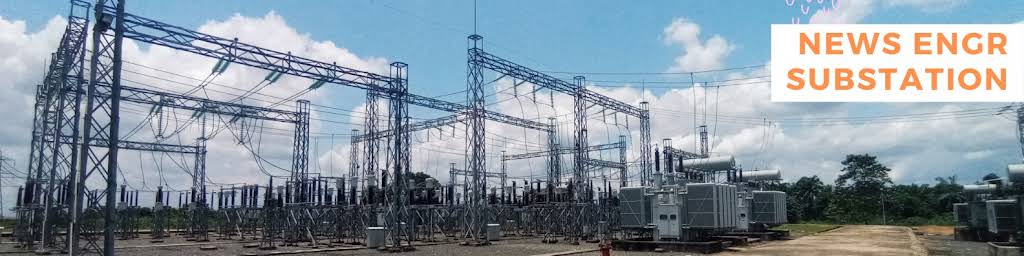
From Dan Amasingha, Minna
In a major bid to bolster renewable energy infrastructure in North-Central Nigeria, News Engineering Nigeria Limited, in partnership with India-based Mahashakti Energy, has formally declared interest in executing Niger State’s proposed 100-megawatt (MW) solar power project.
The multi-million-dollar clean energy initiative is slated to be funded by the Islamic Development Bank (IsDB).
The Managing Director and Chief Executive Officer of News Engineering, Lady Josephine Nwaeze, disclosed this during a strategic visit to Governor Mohammed Umaru Bago at the Niger State Liaison Office in Abuja.
Leading a joint delegation of both firms, Lady Nwaeze noted that the visit was designed to present the consortium’s technical capability, track record, and readiness to deliver the project in line with international best practices.
She praised the Bago-led administration for improving security and creating an enabling environment for private sector-driven development.
Presenting the consortium’s technical profile, Business Development Manager at News Engineering, Engr. Henry Akoji, highlighted the firm’s extensive footprint in Nigeria’s power sector. He revealed that News Engineering has successfully executed over 1,000 electrical installation projects nationwide, spanning high-voltage transmission lines, power distribution networks, and rural electrification infrastructure.
”Our renewable energy division has deployed over 100 solar mini-grid projects and distributed approximately 5,000 solar home systems across the country,” Akoji stated.
He emphasized the company’s end-to-end expertise in substation design, transmission line upgrades, project management, and technical capacity building.
Adding a global perspective, the Director of Mahashakti Energy, Ashok Kansal, highlighted his firm’s specialization in power loss reduction and sustainable grid management. Kansal pointed to successful interventions in India, where Mahashakti reduced aggregate technical and commercial (ATC) losses by 30 to 40 percent.
He assured the governor that the partnership would leverage cutting-edge technology in solar evacuation and distribution infrastructure to minimize energy losses and guarantee a stable power supply across Niger State.
Responding to the proposal, Governor Bago commended both entities for their presentation and demonstrated capacity. However, he emphasized that the state government would conduct rigorous due diligence and technical audits on their past projects before finalizing any contractual agreement.
The proposed 100MW solar initiative forms a cornerstone of Niger State’s broader strategy to bridge its energy deficit, drive industrialization, and expand electricity access.
The state government is expected to complete its technical evaluation before announcing a preferred partner for the Is isDB-backed project.

From Joseph Amedu, Lokoja
More than 100 members of the African Democratic Congress (ADC), Nigeria Democratic Congress (NDC), Peoples Democratic Party (PDP) and Social Democratic Party (SDP) have defected to the ruling All Progressives Congress (APC) in Onicha-Igo, Ofu Local Government Area of Kogi State.
The defectors declared their support for the re-election of President Bola Ahmed Tinubu and Kogi State Governor, Ahmed Usman Ododo, ahead of the 2027 general elections.
Receiving the new members at an event held in Ofu LGA on Wednesday, prominent APC stakeholders from Kogi East Senatorial District, led by Engineer Friday Michael (MON), alongside representatives of the Kogi State Deputy Governor, Comrade Joel Salifu Oyibo, highlighted the achievements of the Tinubu and Ododo administrations.
Michael, who is also the Chief Executive Officer of Good Shepherd Hospital, described the large turnout as evidence of growing support for the APC, expressing confidence that the party would record an overwhelming victory in the 2027 elections.
He said the defectors had chosen to join the ruling party because of what he described as the developmental strides of the current administrations.
“Those members of the opposition parties defecting to the APC today have seen the light in our party. They can see the good work the current administrations are doing, and they are optimistic that if President Bola Tinubu and Governor Usman Ododo are re-elected in 2027, they will witness more development across the board,” he said.
Welcoming the defectors, Michael assured them of equal treatment within the party, regardless of when they joined.
“As we welcome them into the APC family, they should be assured that they will receive equal treatment like other members. Our common goal is to ensure the re-election of President Tinubu and Governor Ododo so they can sustain their development agenda for the people of Kogi State and Nigeria at large,” he added.
He commended Governor Ododo’s performance in infrastructure, healthcare, education and civil service welfare, maintaining that discussions on power rotation could be considered after the governor completes a second term in 2031.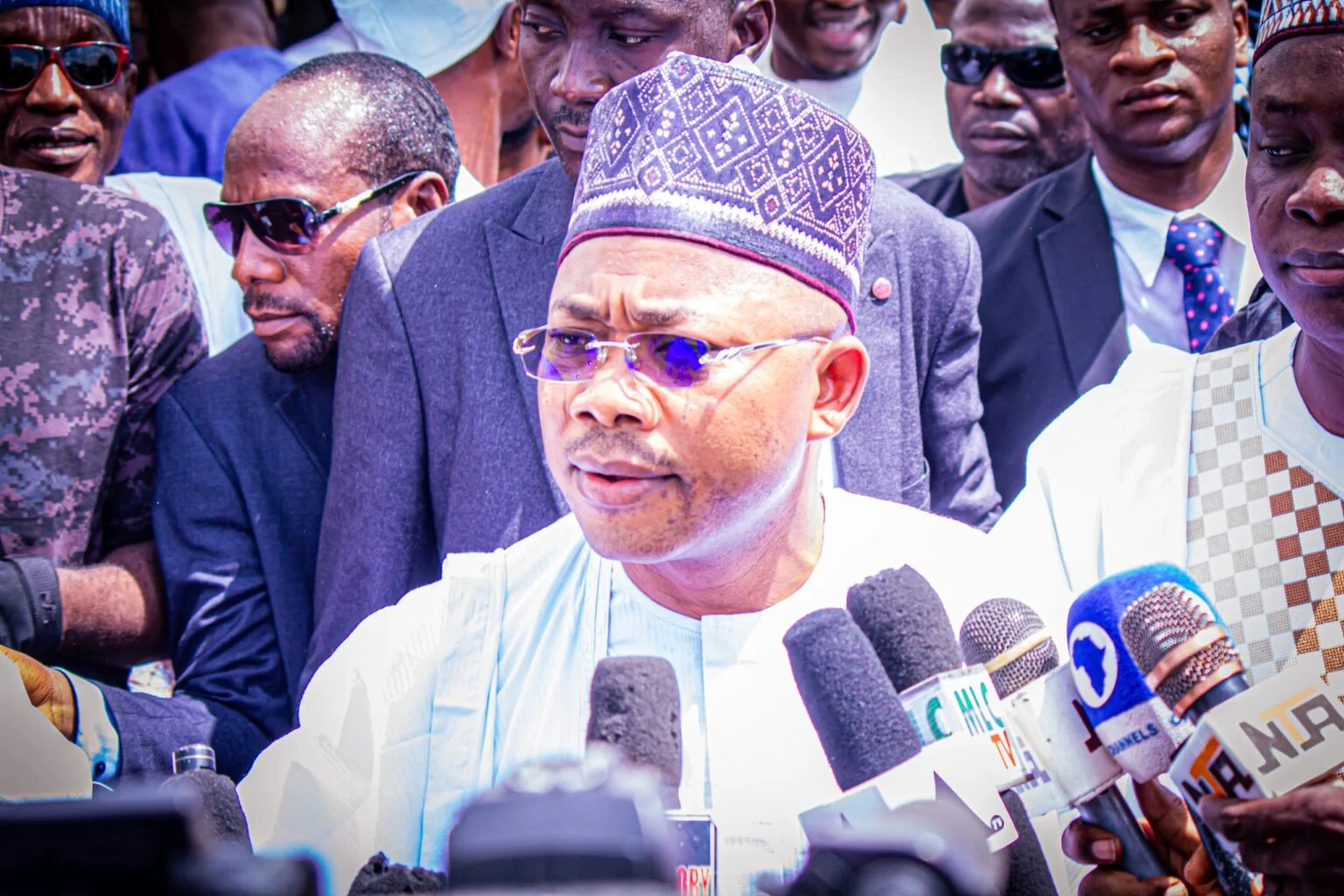
Michael also urged residents and eligible voters to remain committed to the APC, stressing that continuity in leadership was necessary to sustain development and improve the welfare of the people.
He said his political engagement was driven by a desire to strengthen the relationship between government and the grassroots, adding that cooperation among political leaders, community stakeholders and residents would help bring government programmes closer to the people.
Speaking on behalf of the Deputy Governor, his Director of Protocol, Daniel Abutu, emphasised the importance of grassroots mobilisation and sustained engagement in securing victory for the APC in 2027.
According to Abutu, effective grassroots mobilisation and constructive engagement were essential to building public confidence, strengthening the party’s structures and ensuring that communities benefited from the dividends of democracy.
The event also featured renewed calls for support for the APC’s Kogi East senatorial candidate, Joe Erico, and other party candidates ahead of the 2027 elections.
Participants stressed the need for unity, political participation and sustained grassroots engagement to advance the party’s interests.
The gathering underscored the role of grassroots political stakeholders in strengthening party structures, integrating new members and consolidating the APC’s support base across Kogi East and beyond.

From Dan Amasingha, Minna
An Assistant Superintendent of Corps (ASC), Usman Isah Ndamaka, was moved to tears yesterday as he appeared before the Justice Mohammed Mohammed-led Judicial Commission of Inquiry in Minna.
He offered an unreserved apology over the death of 37 miners while in the custody of the Niger State Command of the Nigeria Security and Civil Defence Corps (NSCDC).
Ndamaka, who was the officer in charge of the command’s detention facility when the incident occurred on September 17, admitted full responsibility for the tragedy, describing it as a grave mistake.
The judicial panel was set up by the Niger State Government to probe the circumstances surrounding the fatalities, which reportedly occurred following the arrest of 58 suspected illegal miners comprising 33 males and 25 females.
Recounting the events that led to the deaths, Ndamaka explained that the facility was originally designed to accommodate between 28 and 30 detainees.
He stated that while female suspects were separated and relocated to another facility, accommodating the remaining male detainees presented a severe logistical challenge.
According to him, the suspects arrived late in the evening during a heavy downpour, making an immediate transfer difficult. An attempt to relocate some of the detainees to the old command facility failed after the Mining Marshal rejected the arrangement.
Ndamaka told the commission that heat, severe overcrowding, and distress caused the male suspects to scream and shout inside the cell.
However, he admitted that fear of being overpowered prevented him and his subordinates from unlocking the door
”An error has already been committed. I am very sorry for the death of the miners under my custody,” Ndamaka said in an emotional testimony. “It is unfortunate that this happened under my watch. I am pained, and I admit my mistake.”
Also testifying, the head of the NSCDC investigation unit, Chief Superintendent of Corps Sunday Oluwadere, confirmed that he profiled and investigated the suspects following their arrest and recovered several exhibits.
Under cross-examination by the Niger State Head of the Legal Aid Council, Mrs. Bolanle Jibogun, Oluwadere expressed regret over operational shortcomings during the handling of the suspects.
Earlier, the Chief Consultant Pathologist at the General Hospital, Minna, Dr. Alfa Sule, informed the panel that post-mortem examinations were required to determine the precise cause of death.
Dr. Sule stated that conducting the autopsies requires coroner approval, while obtaining toxicology and histology samples for forensic laboratory analysis in Lagos requires the consent of the deceased persons’ families.
He projected that full forensic results would be ready within two weeks once samples are dispatched.
Following the incident, the Commandant-General of the NSCDC, Dr. Ahmed Abubakar Audi, ordered the arrest of 22 officers, including the suspended Niger State Commandant, Siaka Zubeiru Anirive.
The officers were escorted to the corps’ national headquarters in Abuja for administrative procedures.
Eight personnel have so far testified before the judicial panel as proceedings continue.



“It’s not debatable, we can’t go back,” Mbah Backs Tinubu on Fuel Subsidy Removal
ShareFrom Sylvia Udegbunam Enugu Governor of Enug State, Dr. Peter Mbah, has doubled down in his support for the removal...

News Engineering, Indian Firm Partner for Niger State’s 100MW Solar Project
ShareFrom Dan Amasingha, Minna In a major bid to bolster renewable energy infrastructure in North-Central Nigeria, News Engineering Nigeria Limited,...

2027: Over 100 Opposition Members Defect to APC in Kogi
ShareFrom Joseph Amedu, Lokoja More than 100 members of the African Democratic Congress (ADC), Nigeria Democratic Congress (NDC), Peoples Democratic...


Custody Death: NSDC Detention Officer Breaks Down, Apologises over 37 Miners
Share From Dan Amasingha, Minna An Assistant Superintendent of Corps (ASC), Usman Isah Ndamaka, was moved to tears yesterday as...


Uduaghan: Bayelsa, South-South Govs Condole With Delta, Family
ShareBayelsa State Government and the South-South Governors Forum (SSGF) have extended their condolences to the government and people of Delta...


Delta Tops States in Liquidity Rating, Says Tilije
ShareFrom Francis Sadhere, Delta Delta State has emerged as the best-performing state in liquidity rating among Nigeria’s 36 states, Commissioner...

Wasted Years In The Printing Profession: Can Clement Koko’s Bold Leadership Usher In A New Dawn?
ShareAfter Years of Leadership Crises and Missed Opportunities, the New CIPPON President, Clement koko Takes the Battle to Paper Manufacturers...

Adeniyi, JAMB Registrar Seek Operational Synergy
ShareBy Tambaya Julius, Abuja The Nigeria Customs Service (NCS) and the Joint Admissions and Matriculation Board (JAMB) are considering areas...

NLC Suspends FCT Indefinite Strike
ShareThe Nigeria Labour Congress (NLC), Federal Capital Territory (FCT) Council, has suspended its indefinite strike and directed all affected workers,...


APC Dismisses Alleged Plot to Assassinate Atiku
ShareThe All Progressives Congress (APC) Presidential Campaign Council (PCC) has dismissed allegations that the Federal Government is plotting to assassinate...