
NEWS
Dangote Refinery IPO Frenzy Overloads Two Investment Sites

By Tony Obiechina, Abuja
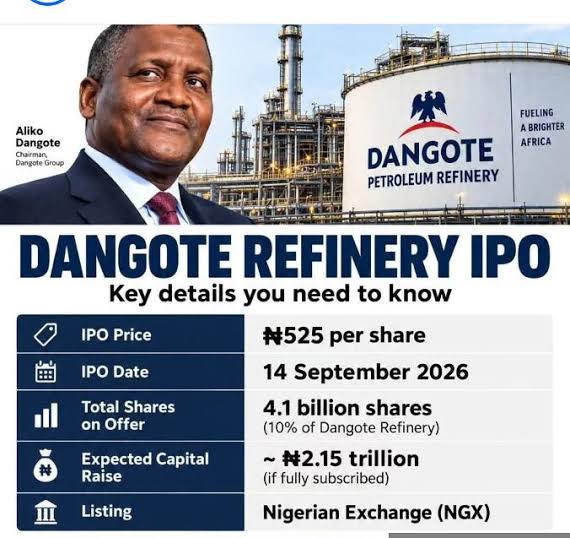
The much-anticipated public offering of Dangote Petroleum Refinery and Petrochemicals FZE sparked a rush among retail investors on Monday, sending traffic on two major Nigerian investment platforms, Bamboo and Cowrywise, soaring beyond expected levels.
The unprecedented demand temporarily disrupted access to both platforms, with some investors reporting difficulties logging into their accounts as they attempted to subscribe to the Dangote Refinery share offer.
Bamboo acknowledged the disruption in a post on X, explaining that the platform was experiencing unusually high traffic from investors seeking to participate in the initial public offering.
“Hey everyone, we’re getting much higher than expected traffic trying to get into the Dangote IPO and it’s making it difficult for some users to log into the Bamboo app. We’re working on a fix and it will be up and running shortly,” the company said.
Cowrywise similarly reported a spike in activity on its platform, assuring users that its technical team was working to restore normal service.
“We’re currently seeing more traffic than usual on the Cowrywise app. Our team is already on it and working to get things back to normal. Thanks for your patience, everyone,” the platform said on X.
Bamboo and Cowrywise are among the approved fintech channels through which investors can participate in the Dangote Refinery public offer.
The offer opened on Monday and seeks to raise approximately N2.15tn through the sale of 4.1 billion ordinary shares at N525 per share.
To encourage wider participation, investors can subscribe for as few as 10 shares, requiring a minimum investment of N5,250.
The Dangote Refinery IPO ranks among the largest public share offerings in Africa. Owned by the Dangote Group, the refinery plans to deploy proceeds from the offer towards expansion and increasing its refining capacity.
The offer has attracted considerable attention from retail investors, particularly amid efforts to position the share sale as an opportunity for Nigerians and other African investors to take ownership stakes in one of the continent’s largest industrial projects.
The technical difficulties experienced by Bamboo and Cowrywise underscore the intensity of investor interest while also highlighting the strain that major investment campaigns can place on digital financial platforms.
The Securities and Exchange Commission had previously warned investors about unauthorised promotions surrounding a purported Dangote Refinery IPO before the offer received regulatory approval.
In June, the commission said no application for the IPO had been submitted or approved at the time and instructed capital market operators to stop accepting deposits or expressions of interest related to the proposed offer.
Following the necessary regulatory approvals, the Dangote Refinery public offer was cleared to proceed. The company subsequently released a list of approved banks, fintech platforms, mobile operators and NGX Invest through which investors can subscribe to the offer.

By David Torough, Abuja
As preparations intensify for the 2027 general elections, political parties are stepping up demands for greater electoral credibility while strengthening their structures to protect votes and mandates.
The African Democratic Congress (ADC) has called on the Independent National Electoral Commission (INEC) to review its policy of appointing university lecturers and other academics as Returning and Collation Officers following reports that more than 600 senior lecturers from public universities in northern Nigeria endorsed President Bola Ahmed Tinubu for the 2027 presidential election.
In a statement signed by its National Publicity Secretary, Mallam Bolaji Abdullahi, the ADC said the reported endorsements raise questions about possible conflicts of interest, particularly because academics and vice chancellors have routinely been entrusted with the sensitive responsibility of collating and declaring election results.
While acknowledging the constitutional right of academics to support any candidate of their choice, the party argued that those who openly take partisan positions should not subsequently be assigned roles that could involve determining the outcome of the same election.
The ADC urged INEC to establish and publish clear criteria that would disqualify prospective election officials who have publicly endorsed candidates, participated in partisan political activities or demonstrated an obvious political affiliation.
It also asked the electoral commission to publish the names of proposed Returning and Collation Officers sufficiently ahead of the elections to enable political parties and members of the public to identify and raise legitimate conflict-of-interest concerns.
The party maintained that electoral integrity begins before voting, insisting that the neutrality of those responsible for administering, collating and declaring results is fundamental to public confidence in the process.
Meanwhile, the Allied Peoples Movement (APM) said it was strengthening its structures nationwide to ensure that its votes and mandate are protected during the 2027 elections.
The party’s National Publicity Secretary, Abubakar Yusuf, said in a statement issued in Abuja that the move was necessary amid what the party described as growing support for its presidential candidate, Governor Seyi Makinde, particularly among young Nigerians.
The APM cited Makinde’s reported involvement in the 2020 EndSARS protests and his opposition to the Federal Government’s 2021 suspension of X, formerly Twitter, as examples of his engagement with issues affecting young people.
The party said it was encouraged by what it described as growing public recognition of the difference between campaign promises and demonstrated commitment and capacity to serve.
The APM, while thanking Nigerians for their support, urged citizens not only to vote but also to remain vigilant and use lawful means to protect their electoral mandate.
The two parties’ positions underscore the growing focus on the credibility of the 2027 electoral process, with attention shifting beyond campaigns to the neutrality of election officials, protection of votes and acceptance of credible outcomes.
By David Torough, Abuja
President Bola Tinubu has directed the timely release of funds due to Regional Development Commissions across the country, while warning their boards and managements against corruption, waste, politicisation and projects that fail to deliver tangible benefits to citizens.
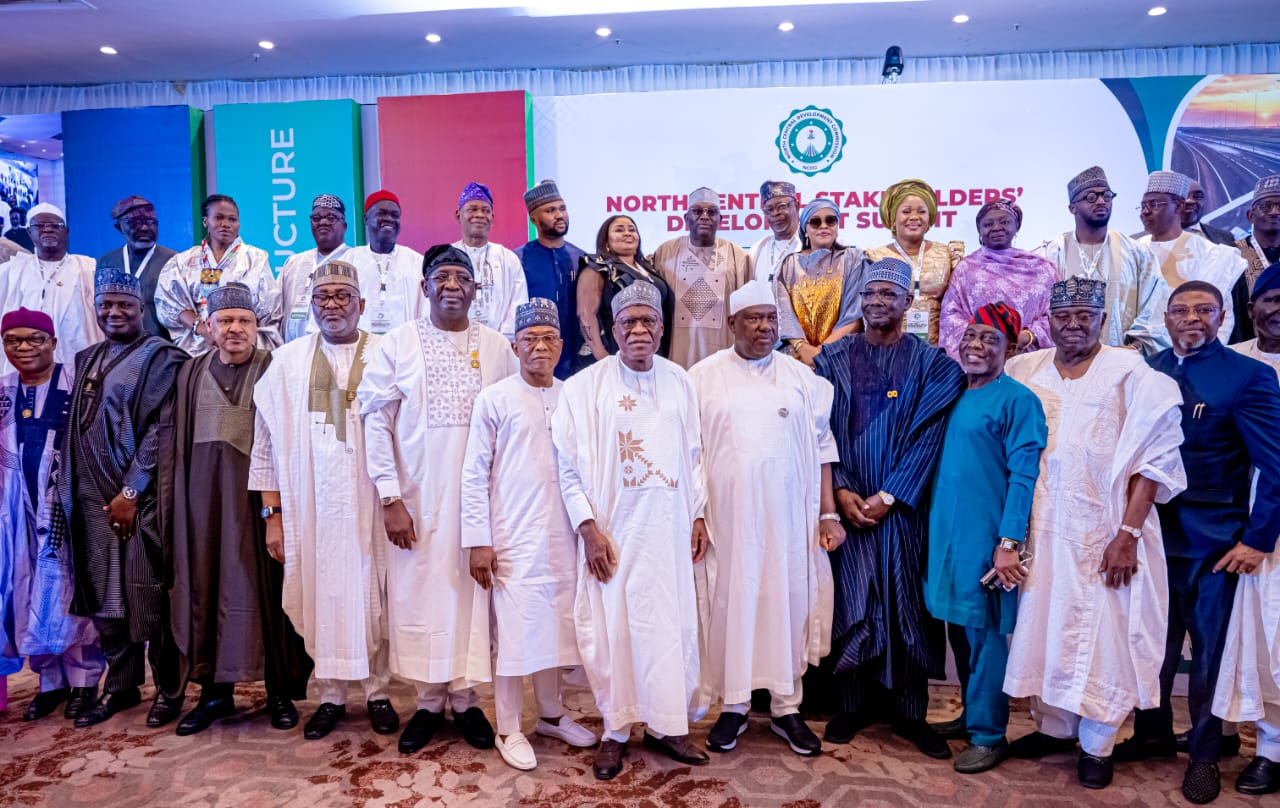
The President gave the directive on Monday at the first-ever North Central Stakeholders Development Summit in Abuja, where the North Central Development Commission (NCDC) unveiled a draft 20-year Economic, Infrastructural and Social Development Plan designed to transform the region into an integrated and globally competitive economy.
Tinubu, represented by the Secretary to the Government of the Federation, Senator George Akume, said the Federal Government would continue to provide political and financial support to the commissions to enable them implement projects capable of unlocking the economic and industrial potential of their respective regions.
“I therefore direct the Secretary to the Government of the Federation to ensure that all funds accruable to the Commissions are released as and when due,” the President said.
He, however, cautioned the commissions against depending entirely on government funding, urging them to explore public-private partnerships, donor funding and development finance, where permitted by law and government regulations.
The President said the establishment of the Regional Development Commissions was part of the Renewed Hope Agenda to accelerate development and address longstanding economic and infrastructural gaps.
He stressed that the commissions were not created to replace, duplicate or usurp the functions of state or local governments or existing federal institutions.
Rather, he said, they were designed to close development gaps and provide regional solutions to challenges that cut across state boundaries.
Tinubu identified roads, railways, air transportation, industrialisation, security, investment, human capital development, education and healthcare as critical areas requiring coordinated intervention.
He urged the commissions to develop clear, attainable and adequately funded programmes, warning that the era of “white elephant projects” was over.
“There is no excuse for the Commissions to become another conduit for wasting public funds,” he said, adding that the government would sanction officials found culpable of corruption, marginalisation, politicisation or ethnicisation of their operations.
Tinubu, while endorsing the 20-year planning approach, urged stakeholders to ensure that the blueprint reflected the aspirations of the people and was implemented rather than becoming another policy document.
“This Summit should not end up as one of those platforms where ideas are ventilated and reports generated only to be left dusting on the shelves,” the President said.
The Federal Government, meanwhile, announced plans to conduct a comprehensive performance audit and peer review of all Regional Development Commissions nationwide.
The Minister of Regional Development, Abubakar Momoh, disclosed this at the summit, warning that the commissions must operate strictly within government policies, laws and public-sector governance frameworks.
He said the outcome of the exercise would be submitted to President Tinubu and would help determine whether individual commissions had fulfilled their statutory mandates.
“These regional development commissions are not private enterprises. They are government establishments governed by government rules and all extant regulations,” Momoh said.
The minister urged the commissions to move beyond routine interventions and embrace integrated planning, comparative advantages, infrastructure connectivity, human welfare and sustainable peace.
He commended the NCDC and North East Development Commission for demonstrating early capacity and vision, while urging other commissions to emulate institutions that had moved from transactional to transformative development.
The Minister of State for Regional Development, Uba Maigari Ahmadu, said the Federal Government was also working with the National Economic Council, the six regional development commissions, the National Regional Development Policy Drafting Team and development partners to harmonise the National Regional Development Policy for 2026–2030.
The policy, he said, would provide a unified framework for regional planning, prioritisation and resource mobilisation and would be submitted to the Federal Executive Council after the harmonisation process.
The commission’s Managing Director and Chief Executive Officer, Dr Cyril Tsenyil, who presented the NCDC’s draft 20-year development plan, said the summit represented a turning point for the North Central region.
The plan covers Benue, Kogi, Kwara, Nasarawa, Niger, Plateau and the Federal Capital Territory, with emphasis on transportation, agriculture, security, entrepreneurship, industrialisation, employment, health, education, housing, water, electricity and telecommunications.
Tsenyil said the NCDC was not established to replace the six state governments and the FCT or duplicate existing federal agencies, but to serve as a regional coordination, development and investment-enabling platform.
He said the region must abandon fragmented, state-by-state economic planning and begin operating as a coordinated regional economy.
“Investors do not see the boundary between Benue and Nasarawa, or between Kogi and Niger, the way governments do. They see markets, supply chains, corridors, resources and labour pools,” he said.
According to him, the North Central must compete globally by collaborating regionally, with agricultural production linked to processing, minerals converted into industrial inputs and roads, railways, waterways and dry ports developed as interconnected economic corridors.
He said the region should aspire to become one of Africa’s most competitive agro-industrial zones rather than merely serving as a supplier of raw agricultural commodities.
The commission also plans to deploy structured “Deal Rooms” to connect bankable regional projects with commercial and development finance.
Tsenyil said the objective was to ensure that the summit produced concrete investments, project pipelines and measurable commitments rather than another set of reports left on government shelves.
“Five years from now, we should be able to say how many jobs were created, how much private capital was mobilised and how many kilometres of strategic infrastructure were delivered,” he said.
Tinubu said the North Central possessed enormous potential in agriculture, food production and agro-processing, solid minerals, industrial development, peace and security, but had operated below its capacity for too long.
He urged the NCDC and stakeholders to use the summit to chart a new development trajectory while complementing Federal Government efforts to address insecurity in the region.
The President said the government had intensified surveillance and intelligence gathering, established additional security formations, deployed more personnel, increased criminal prosecutions and supported dialogue and reconciliation.
He stressed that meaningful development could only take place in an atmosphere of peace and security.
Nasarawa State Governor and Chairman of the North Central Governors’ Forum, Abdullahi Sule, also called for realistic economic planning focused on industrial processing and resource development.
Sule cited the region’s agricultural resources and growing solid-mineral industries, including lithium and cement processing in Nasarawa and cement, rice and sesame production in Benue, as evidence of the region’s capacity for economic transformation.
But he said natural resources alone would not deliver prosperity without strategic leadership, competent implementation and accountable governance.
The summit brought together ministers, governors, lawmakers, traditional rulers, development partners and private-sector leaders, with participants seeking to establish investment pipelines and a coordinated framework for economic, infrastructural and social development across the North Central.
NEWS
Sasakawa Africa Establishes Agro-Enterprise Centre, Empowers Over 8900 Smallholder Farmers In Benue
From Attah Ede Makurdi
The Sasakawa Africa Association Nigeria (SAA Nigeria), with funding support from The Nippon Foundation (TNF), has established a functional Agro-Enterprise Centre in Benue State to enhance post-harvest handling, primary processing, and commercial value addition.
The organisation has also established a Community Based Seeds Multiplication (CBSM) for a seed enterprise model where CBSM farmer groups sign agreement letters to refund 20% of their total input costs in kind (certified seeds) to sustain the input revolving fund.
The Country Director of Sasakawa Africa, Nigeria, Dr.
Godwin Aster disclosed this on Monday during a two-day media field tour of SAA projects in Gwer and Gboko Local Government Areas of the state.The media field tour afforded journalists with direct link with the benefiting farmers, project sites, agricultural technologies and results from the organisation’s interventions.
The Dr. Aster who was represented by the Programme Manager, Climate Resilient and Sustainable Agrifood Systems, Dr. Nathaniel Otene, explained that SAA has delivered integrated agricultural extension interventions in close coordination with the State Ministry of Agriculture through the Benue State Bureau Of Agricultural Development And Mechanization.
He maintained that the interventions focus on empowering smallholders across core value chains including Soybeans, Maize, Rice, and Horticultural Crops, by transitioning farm households from supply-driven subsistence to commercial, market-oriented production (“Grow to Sell”).
He added that the project activities target smallholder farmers, frontline extension agents (EAs), Community-Based Facilitators (CBFs), Community Association Traders and Trainers (CATs), women, and youth groups across target LGAs.
The Country Director announced that the Organisation is currently working in eight local government areas of the State including, Gwer-East, Gboko, Tarka, Guma, Ushongo, Vandeikya, Buruku, and Konshisha Local Government Areas.
Also speaking, the Head of Programme, Inclusive Markets and Agrobusiness Development, Dr. Jonathan Yassah, disclosed that Sasakawa has successfully established CBSM Seed Multiplication Plots using 1.5 hectare to engage 75 smallholder seed producers to build local seed security.
He explained that the Maize Demonstration Starter Pack had supported one Farmer Group with full input starter packs (8 bags NPK 20-10-10, 100kg Urea Deep Placement/USG, 4L Glyphosate, 4L Atrazine, and 1L insecticide) to demonstrate Good Agronomic Practices (GAP) and boost group funds.
On his part, the Head of Safe , Adequate and Nutritious Food Production and Utilisation, Dr. Moshood Suleiman, said Sasakawa Africa has executed specialized gender mainstreaming and family economic development training for 50 women farmers and their spouses to strengthen joint intra-household financial decision-making in the State.
He added that community-level Agro-Enterprise Centre in the State to enhance local value addition, crop processing, and income diversification and promote dietary diversity, micronutrient consumption, and food safety.
According to him, Sasakawa is assiduously working towards promoting balanced diet preparation for all age groups using Biofortified Food Crops (BFCs).
Meanwhile, the benefitting farmers in the State have applauded Sasakawa Africa Association, SAA, for improving their capacity in climate-smart and nutrition-sensitive agriculture, saying the intervention has increased crop yields and the market value of their produce.
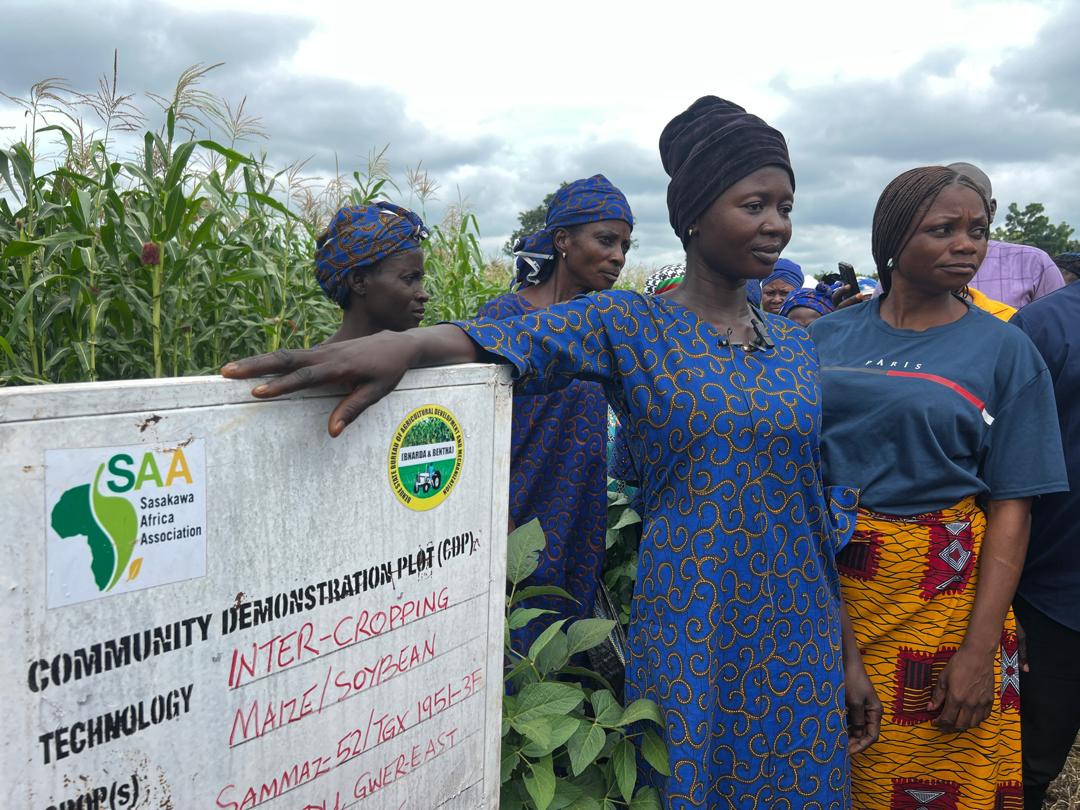
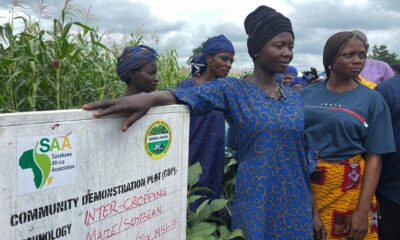
At Cheedu community in GwerEast local government area, where soybean and maize demonstration plots, intercropping and provitamin demonstration plots were established, the farmers expressed satisfaction with the results.
Chairman Lady of women farmer cooperatives group, Mrs. Patience Kwaghba noted that the improved seeds introduced through the programme had withstood harsh weather conditions associated with climate change.
She said the training had also enabled farmers to adopt modern techniques that could improve yields, nutritional value and the marketability of their produce.
“Seriously, we have a far, far difference. Because we have not harvested the farm yet, but it shows us that it has a far difference compared to our own,” Ogbole said.
She appealed to government at all levels to adopt and expand the Sasakawa farming model as part of efforts to improve food security, increase crop production and make agriculture more attractive to farmers.
At Luga community in Gboko local government area, another leader of farmers’ group, Mr. Rowland Nyagba Mbatiav, said they have been exposed to new method of farming soyabean.




Dangote Refinery IPO Frenzy Overloads Two Investment Sites
ShareBy Tony Obiechina, Abuja The much-anticipated public offering of Dangote Petroleum Refinery and Petrochemicals FZE sparked a rush among retail...


2027 Polls: Parties Demand Credible Vote, Vow to Protect Mandates
ShareBy David Torough, Abuja As preparations intensify for the 2027 general elections, political parties are stepping up demands for greater...

Tinubu Unveils 20-Year North Central Economic, Infrastructural Growth Plan
ShareBy David Torough, Abuja President Bola Tinubu has directed the timely release of funds due to Regional Development Commissions across...

Sasakawa Africa Establishes Agro-Enterprise Centre, Empowers Over 8900 Smallholder Farmers In Benue
ShareFrom Attah Ede Makurdi The Sasakawa Africa Association Nigeria (SAA Nigeria), with funding support from The Nippon Foundation (TNF), has...


Hope Rekindled as Ankwa Amo Inspects Modern Market, Promises Govt Attention
ShareBy Julius Tambaya, Abuja Hope of renewed government intervention has risen among traders at Modern Market, Makurdi, following an inspection...


North Central Devt Commission ‘ll Drive Regional Transformation, Restructuring – Golu
ShareBy David Torough, Abuja Former member of the House of Representatives from Plateau State, Hon. Timothy Golu, has described the...
Fire at Nursing Home in Chile Kills 16
ShareA fire at a nursing home in Chile has killed 16 people, authorities said Saturday. The blaze began on Friday...
Yazeed Al Rajhi Returns to Baja Aragon with Dennis Zenz
ShareSaudi Arabian World Champion Yazeed bin Mohammed Al-Rajhi is set to resume competition at Baja Espana Aragon 2026 following its...


Trump Turns to Golf, Family Business on Irish Visit’s Second Day
ShareDonald Trump turns his focus Sunday to golf and promoting his business interests, as he wraps up a two-day visit...
Legendary Canadian Boxer George Chuvalo Dies at 89
ShareCanadian boxer George Chuvalo, a five-time national heavyweight champion, has died at the age of 89. Out of 93 total...