
POLITICS
Kano Assembly Passes Bill to Create 3 Second Class Emirates


The Kano State House of Assembly, on Tuesday, passed a bill for the creation of three second-class emirates in the state.
The Assembly took the first reading of the bill before embarking on recess.
The Bill, titled: “Kano State Emirates Council Establishment Bill, 2024” was sponsored by the Deputy Speaker, Muhammad Butu-Butu.
The Speaker, Jibrin Falgore, said during deliberation on the bill, that the new emirates are, Rano, Gaya and Karaye Emirates.
He explained that the Rano Emirate consists of Rano, Kibiya and Bunkure Local Government Areas.
“Gaya Emirate consists of Gaya, Albasu and Ajingi Local Government Areas while Karaye Emirate consists of Karaye and Rogo Local Government Areas respectively,” he said.
The speaker further said that the Emirs of the three new second class emirates would be answerable to the Emir of Kano.
”They shall have powers to advise the Emir of Kano on matters relating to maintenance of public order and boundary disputes within their areas of jurisdiction.(NAN)


From Joseph Amedu, Lokoja
More than 100 members of the African Democratic Congress (ADC), Nigeria Democratic Congress (NDC), Peoples Democratic Party (PDP) and Social Democratic Party (SDP) have defected to the ruling All Progressives Congress (APC) in Onicha-Igo, Ofu Local Government Area of Kogi State.
The defectors declared their support for the re-election of President Bola Ahmed Tinubu and Kogi State Governor, Ahmed Usman Ododo, ahead of the 2027 general elections.
Receiving the new members at an event held in Ofu LGA on Wednesday, prominent APC stakeholders from Kogi East Senatorial District, led by Engineer Friday Michael (MON), alongside representatives of the Kogi State Deputy Governor, Comrade Joel Salifu Oyibo, highlighted the achievements of the Tinubu and Ododo administrations.
Michael, who is also the Chief Executive Officer of Good Shepherd Hospital, described the large turnout as evidence of growing support for the APC, expressing confidence that the party would record an overwhelming victory in the 2027 elections.
He said the defectors had chosen to join the ruling party because of what he described as the developmental strides of the current administrations.
“Those members of the opposition parties defecting to the APC today have seen the light in our party. They can see the good work the current administrations are doing, and they are optimistic that if President Bola Tinubu and Governor Usman Ododo are re-elected in 2027, they will witness more development across the board,” he said.
Welcoming the defectors, Michael assured them of equal treatment within the party, regardless of when they joined.
“As we welcome them into the APC family, they should be assured that they will receive equal treatment like other members. Our common goal is to ensure the re-election of President Tinubu and Governor Ododo so they can sustain their development agenda for the people of Kogi State and Nigeria at large,” he added.
He commended Governor Ododo’s performance in infrastructure, healthcare, education and civil service welfare, maintaining that discussions on power rotation could be considered after the governor completes a second term in 2031.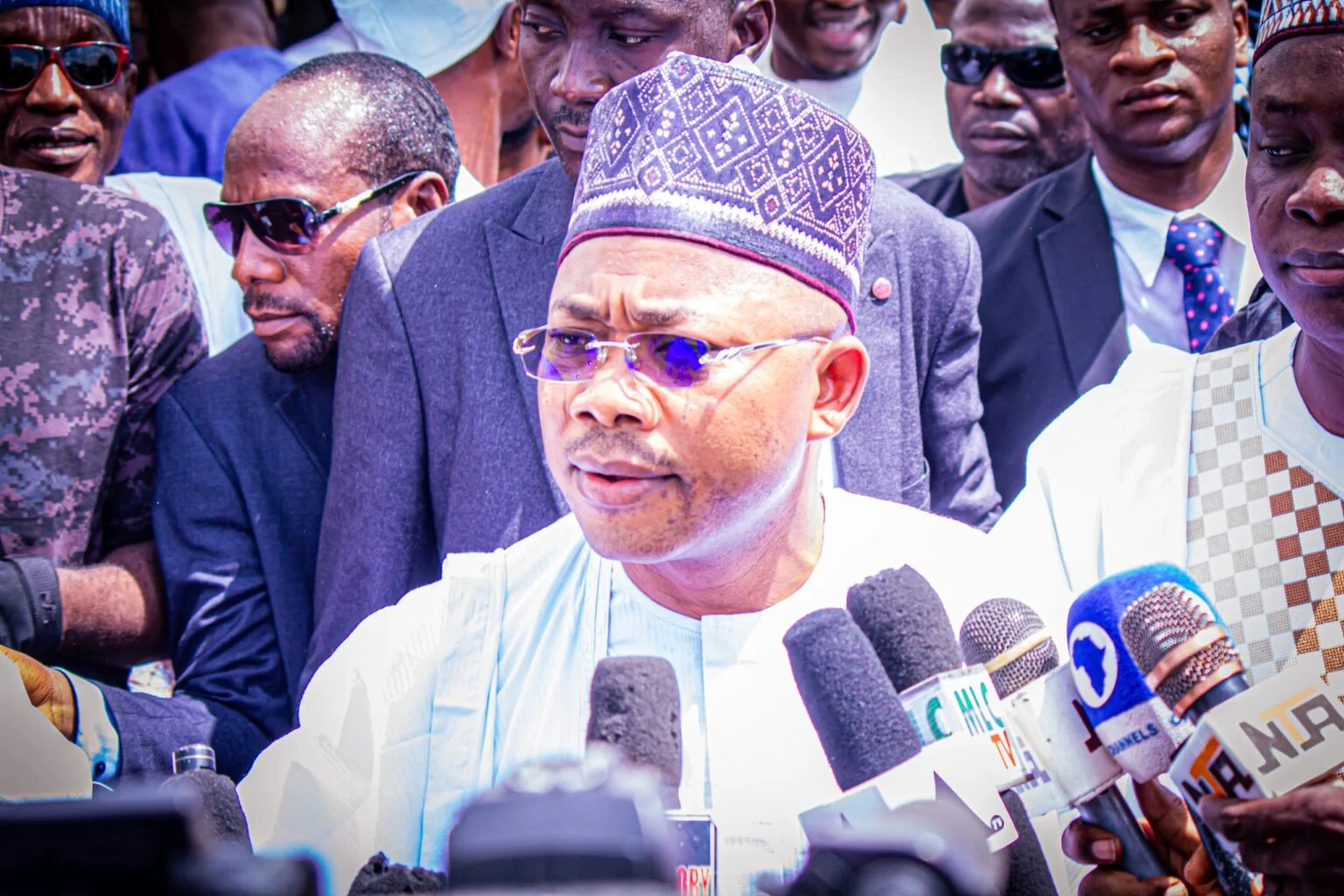
Michael also urged residents and eligible voters to remain committed to the APC, stressing that continuity in leadership was necessary to sustain development and improve the welfare of the people.
He said his political engagement was driven by a desire to strengthen the relationship between government and the grassroots, adding that cooperation among political leaders, community stakeholders and residents would help bring government programmes closer to the people.
Speaking on behalf of the Deputy Governor, his Director of Protocol, Daniel Abutu, emphasised the importance of grassroots mobilisation and sustained engagement in securing victory for the APC in 2027.
According to Abutu, effective grassroots mobilisation and constructive engagement were essential to building public confidence, strengthening the party’s structures and ensuring that communities benefited from the dividends of democracy.
The event also featured renewed calls for support for the APC’s Kogi East senatorial candidate, Joe Erico, and other party candidates ahead of the 2027 elections.
Participants stressed the need for unity, political participation and sustained grassroots engagement to advance the party’s interests.
The gathering underscored the role of grassroots political stakeholders in strengthening party structures, integrating new members and consolidating the APC’s support base across Kogi East and beyond.
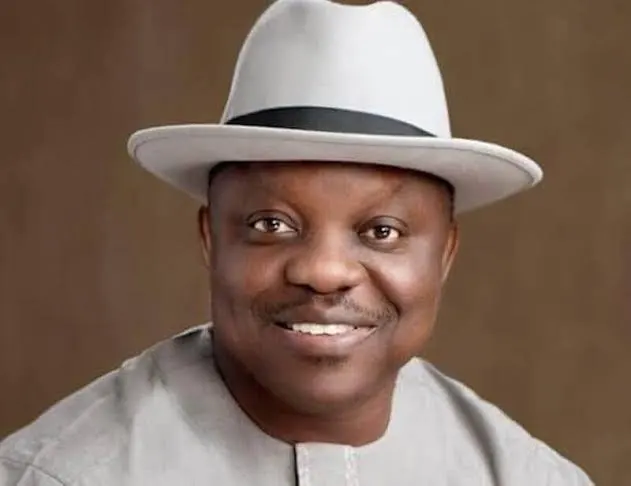
Bayelsa State Government and the South-South Governors Forum (SSGF) have extended their condolences to the government and people of Delta State on the passing of a former governor of the state, Dr. Emmanuel Eweta Uduaghan.
They also commiserated with the Uduaghan family, his wife, Deaconess Roli Uduaghan and their children, on the painful loss.
Dr.
Uduaghan died on Monday, October 19, 2026 aged 71.In a statement issued by his Chief Press Secretary, Daniel Alabrah, the Bayelsa Governor, Senator Douye Diri, who is also chairman of the SSGF, said the state and the South-South governors received the news with a profound sense of sorrow.
They described Uduaghan as an exceptional public servant, who was committed to the transformation of Delta State before, during his time as governor and after he left office.
“On behalf of the government and people of Bayelsa State and the South-South Governors Forum, I extend our deepest condolences to our brother-governor, Rt. Hon. Sheriff Oborevwori, and the people of Delta State over the death of Dr. Emmanuel Uduaghan.
“We also express our heartfelt sympathies to the entire Uduaghan family, his wife and children.
“The late former governor was reputed as an exceptional public servant, a consummate bridge-builder and a gentleman.
“His shining legacies, remarkable leadership and people-centred governance style endeared him to many in Delta State and beyond.”
Governor Diri prayed that the Almighty God comfort the family and the people of Delta State at this moment and grant them the fortitude to bear the loss.
From Rabiu Sanusi, Kano
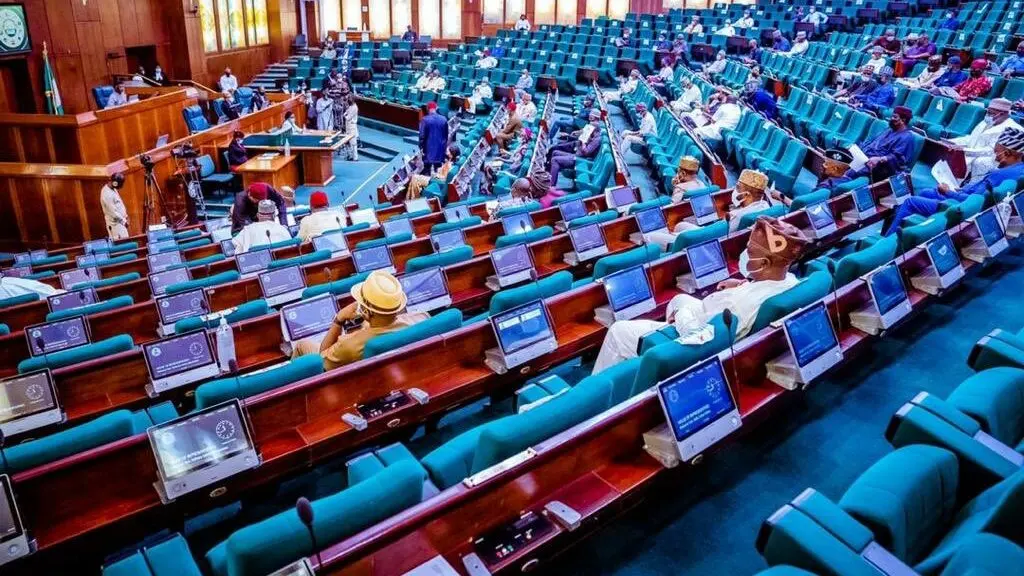
The House of Representatives has backed plans to increase Nigeria’s strategic petroleum reserve from 20 days to 90 days by 2027 in a move aimed at strengthening the country’s fuel security and ensuring a more reliable supply of petroleum products.
Chairman of the House Committee on Petroleum Resources (Downstream), Ugochinyere Ikeagwuonu, disclosed this in Abuja during a technical briefing, where the committee also passed a vote of confidence in the administration of President Bola Tinubu over its efforts to secure the nation’s petroleum pipelines.
Ikeagwuonu said the proposed expansion of the strategic reserve would be supported by sustained domestic petroleum supply, reducing the country’s vulnerability to supply disruptions.
The committee further reported that contributions from local refineries to Nigeria’s national petrol supply had increased by more than 75 per cent, with the country recording over 25 days of supply sufficiency and no reported shortfalls so far.
The development, according to the committee’s briefing, highlights the growing role of domestic refining in supporting the nation’s energy security.
In a related development, the committee established two subcommittees to investigate separate petitions concerning gas distribution licences issued by the Nigerian Midstream and Downstream Petroleum Regulatory Authority (NMDPRA) and allegations of abuse of office against Mumuni Dagazau, Executive Vice President, Downstream of the Nigerian National Petroleum Company Limited (NNPC Limited).
The proposed 90-day reserve target represents a significant policy ambition for Nigeria petroleum sector as the country seeks to strengthen supply resilience, improve energy security and reduce exposure to disruptions in fuel distribution.
The outcome of the planned investigations and progress towards the 2027 reserve target will remain important issues for the downstream petroleum industry.




NAGAFF Seeks One-Year Extension for Customs Officers Facing Retirement
ShareBy Tambaya Julius, Abuja The National Association of Government Approved Freight Forwarders (NAGAFF) has appealed to President Bola Tinubu to...
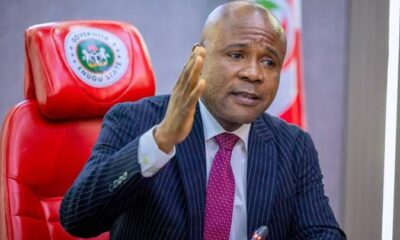

“It’s Not Debatable, We Can’t Go Back,” Mbah Backs Tinubu on Fuel Subsidy Removal
ShareFrom Sylvia Udegbunam Enugu Governor of Enug State, Dr. Peter Mbah, has doubled down in his support for the removal...
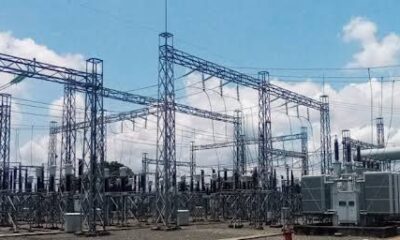

News Engineering, Indian Firm Partner for Niger State’s 100MW Solar Project
ShareFrom Dan Amasingha, Minna In a major bid to bolster renewable energy infrastructure in North-Central Nigeria, News Engineering Nigeria Limited,...

2027: Over 100 Opposition Members Defect to APC in Kogi
ShareFrom Joseph Amedu, Lokoja More than 100 members of the African Democratic Congress (ADC), Nigeria Democratic Congress (NDC), Peoples Democratic...


Custody Death: NSDC Detention Officer Breaks Down, Apologises over 37 Miners
Share From Dan Amasingha, Minna An Assistant Superintendent of Corps (ASC), Usman Isah Ndamaka, was moved to tears yesterday as...
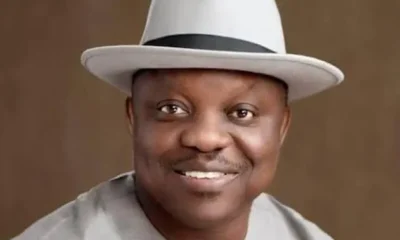

Uduaghan: Bayelsa, South-South Govs Condole With Delta, Family
ShareBayelsa State Government and the South-South Governors Forum (SSGF) have extended their condolences to the government and people of Delta...


Delta Tops States in Liquidity Rating, Says Tilije
ShareFrom Francis Sadhere, Delta Delta State has emerged as the best-performing state in liquidity rating among Nigeria’s 36 states, Commissioner...

Wasted Years In The Printing Profession: Can Clement Koko’s Bold Leadership Usher In A New Dawn?
ShareAfter Years of Leadership Crises and Missed Opportunities, the New CIPPON President, Clement koko Takes the Battle to Paper Manufacturers...

Adeniyi, JAMB Registrar Seek Operational Synergy
ShareBy Tambaya Julius, Abuja The Nigeria Customs Service (NCS) and the Joint Admissions and Matriculation Board (JAMB) are considering areas...

NLC Suspends FCT Indefinite Strike
ShareThe Nigeria Labour Congress (NLC), Federal Capital Territory (FCT) Council, has suspended its indefinite strike and directed all affected workers,...