
POLITICS
Mystery of APC’s Numerous Presidential Aspirants

By Tonnie Iredia
At this year’s anniversary of Press Freedom Day in Abuja where I served as a guest speaker, I had asked Nigerian media professionals to endeavour to appreciate the efficacy of the theory of self-esteem.
My argument was that no matter one’s situation in life, an eternal positive admonition is that one must strive continuously to position one’s self favourably so as to attract public respect.
The media cannot afford to despair and lament every year the precarious position it occupies in world affairs in which its members are attacked if not killed for carrying out an approved societal mandate of public enlightenment.
Many other institutions which attack the media do so partly because they see many young people in the media who appear to them as irritants while performing their duties.
At the end of the lecture, there was the breaking news that more members of Nigeria’s ruling All Progressives Congress (APC) had joined dozens of others to pick up the party’s presidential nomination form at the cost of just N100million.
It looked like a mystery for the party which many have been blaming for the woes of the nation to present itself as the party to beat at next year’s presidential election by unveiling innumerable aspirants.
A compelling posture for understanding the inexplicable strategy is to place it within the context of the theory of self-esteem which hypothesizes that those who aim high score high. Already, some Nigerians are now unconsciously preoccupied with looking out more at the possibility of the APC’s re-election instead of thinking of the deteriorating standard of living during its tenure. Indeed, some are beginning to follow the imagination that today’s woes would probably have been worse if another party was in charge.
Whoever designed the strategy must have also suggested to APC leaders to remain ebullient giving their members hope and asking more of them to declare to contest the 2023 presidential elections. So, while ordinary Nigerians appear hypnotized, APC members are enjoined to scorn lamentation as a basis for staying up there!!
Many more nominations may come because rumour-mongering is only a first step towards a declaration in the party. Goodluck Jonathan who had been nurtured by the opposition Peoples Democratic Party PDP to serve as Deputy Governor and Governor of Bayelsa State before becoming Vice President and later President of Nigeria may still pick up the APC form notwithstanding that the party had declared him clueless some 8 years ago. After all, Central Bank Governor, Godwin Emefiele who had been rumoured along with Jonathan now has his own form.
It is not even difficult to do because there are scores of Nigerians who are positioned to act as agents on the subject. And if care is not taken, some aspirants may surprisingly get more than one form each, depending on the number of support groups any aspirant enjoys. As disclosed on national television some three days ago, Godswill Akpabio the uncommon leader (wherever he serves) had to appeal to his admirers nationwide not to get an additional form for him.
Therefore, there does not appear to be anything wrong with many more aspirants turning up because Asiwaju Bola Ahmed Tinubu, popularly regarded as APC’s national leader and former governor Amosun of Ogun state has already declared that the more the merrier.
In other words, the motivation of some Yoruba leaders to bring their aspirants together in a meeting was not to reduce the figure but to put across some ethical codes on language and general disposition of the aspirants during campaigns. Such brotherhood has already been shown by two Yoruba aspirants, Senator Ibikunle Amosun and Governor Kayode Fayemi of Ekiti state who claim to have manifestoes which present them as ideological political twins. What one is proposing to do is the same as the other’s aspiration.
In other climes, such two aspirants would compare notes and agree on which of them should be put forward. Here in Nigeria, that is not the way to go. Instead, it is seen as better for both to contest and pray for any one of them to be victorious. The additional gain of this approach is that it generates more revenue for the party just as it puts in the public domain, the strength of APC as a party with innumerable presidential aspirants.
What no one can take away from the APC is that each and every aspirant of the party is full of ideas. Unfortunately, not enough efforts have been made to get each ‘aspirant of ideas’ to put such ideas at the disposal of the party. The eloquence with which former governor Adams Oshiomhole explained how to deal with the unending strike by University teachers would no doubt have given a high score to the party if its officials and conciliator had the Oshiomhole therapy and power of persuasion.
The teachers are still on strike and their students who have always been made to spend more years than makes sense to obtain a degree are now threatening that no matter the numerical strength of presidential aspirants, the 2023 elections may not hold if the strike is not resolved shortly. It seems logical to agree with our students, that it is more fulfilling to have good governance with education as a priority than to organize a smooth census of political aspirants.
Notwithstanding the outcome of the census, citizens and politicians of Southeast extraction have; on the basis of the need to create a sense of belongingness for all Nigerians, continued to call on political parties to consider an Igbo candidate as the next Nigerian president. However, it is noted that the APC has not stopped her census enumerators of aspirants from operating in the Southeast. At least one governor – Dave Umahi, 3 federal ministers – Ogbonnaya Onu, Chris Ngige and Emeka Nwajiuba along with 3 Senators – Oji Kalu, Rochas Okorocha and Ken Nnamani from the zone are already enumerated.
But far as a former National Chairman of the All Progressives Grand Alliance, Senator Victor Umeh, is concerned, South-West politicians jostling to occupy the presidency in 2023 are not helping the cause of one Nigeria. Umeh’s position is that it is premature for the presidency to return to the Southwest from where it began in 1999 when it is yet to go round the 3 major tripods of the Nigerian nation. This criticism must however recognize that even the leadership of the socio-cultural organization of Yoruba people – Afenifere, has severally made the same point.
The APC will do well to effectively manage its huge figure of presidential aspirants without allowing the process to end in imposition which will no doubt create political tension. Already, there are fears in some quarters that a withdrawal form which is expected to operate as a sworn affidavit may have been designed to meet such an end.
It would probably be difficult to expect persons who are required to sign sworn affidavits well before the day of primaries to believe that there were no premeditated intentions. The Independent National Electoral Commission (INEC) can be of help here if it ensures that the conduct of primaries irrespective of the chosen mode is transparent. She can do this by ensuring that all the rules of the game are adhered to.
It is expected for instance that she would insist as promised to retrieve authentic political party membership registers.
In the area of voter education, the caution to voters at all levels is for them to look out for the best candidates. The hope is that on account of all the difficulties the nation has passed through in recent years, voters would prioritize a good record of previous performance in determining who to vote for.
It would not make sense for example to vote for candidates who as governors could neither pay workers’ salaries nor help to improve the living standards of their people. It is not difficult to identify them. Apart from eyewitness accounts, there are credible reports by reputable organizations such as UNICEF which has just released a list of 22 states in Nigeria which are facing malnutrition and food insecurity. It is obviously a better guide than the numerical strength of aspirants.
Iredia is former Director General of the NTA




By Tambaya Julius, Abuja
The Federal Government has urged vice-chancellors of Nigerian universities to introduce degree programmes that address critical manpower shortages and meet the growing demand for specialised healthcare and social services.
The proposed programmes include Audiology, Occupational Therapy, Speech and Language Therapy, Clinical Psychology and Medical Social Work.
The government said expanding training in these fields would help bridge gaps in specialist care and create more employment opportunities for Nigerian graduates.The Minister of Education, Dr.
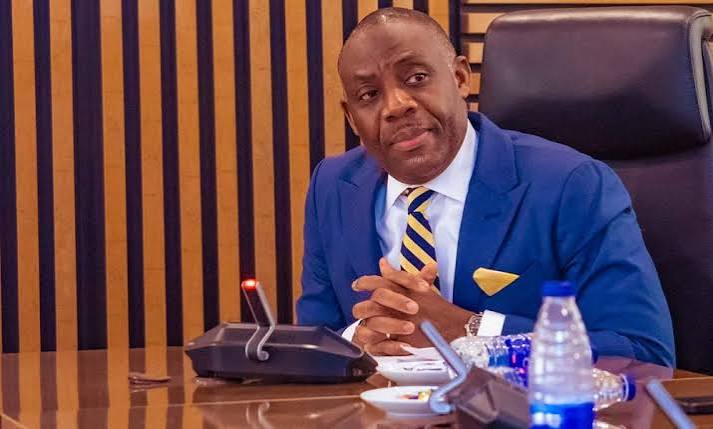
Tunji Alausa, also reaffirmed the Federal Government’s commitment to establishing autism centres across the six geopolitical zones to improve access to specialised care and support for persons on the autism spectrum and their families.Alausa said universities must align their academic programmes with national workforce needs and emerging societal challenges, stressing the importance of equipping graduates with practical skills for professional practice and employment.
He explained that developing the proposed programmes would strengthen Nigeria’s capacity to provide essential services locally, reduce dependence on limited specialist services and produce professionals capable of meeting the needs of the population.
The planned autism centres are expected to provide access to diagnosis, therapeutic services and research, while serving as regional support hubs for families, healthcare professionals and educational institutions.
The minister said the initiatives reflect the Federal Government’s commitment to strengthening local capacity and improving support for persons with autism and other developmental conditions.
He assured stakeholders that the government would continue to pursue reforms aimed at expanding access to relevant education, strengthening institutional capacity and promoting skills development.
Alausa also commended the Chairman of the Federal Government Committee for the Advancement of Audiology, Occupational Therapy and Speech and Language Therapy, Dr. Victoria Amu, for her dedication and commitment to advancing the specialised fields.
He urged vice-chancellors and other university administrators to work closely with Amu, relevant regulatory agencies and professional bodies to facilitate the introduction of the proposed programmes.
According to him, such collaboration would help ensure that the programmes meet the required academic and professional standards.
The minister reiterated the government’s commitment to building a responsive and inclusive higher education system that equips Nigerians with relevant skills, addresses critical manpower gaps and expands access to essential specialised services.
He added that the initiatives form part of broader efforts to develop human capital, improve service delivery and ensure that Nigeria’s education system responds effectively to national priorities and the needs of its citizens.
From Ayinde Akintade, Osogbo
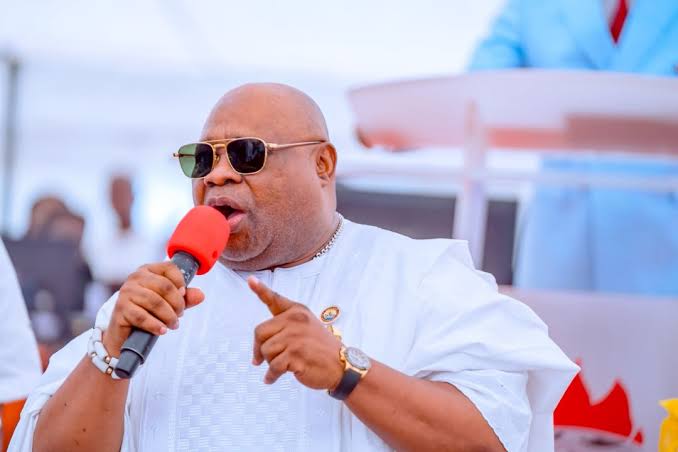
The Governor of Osun State, Senator Ademola Adeleke, yesterday charged newly inaugurated members of the Osun Central Senatorial District Accord Campaign Committee for Aare Ganiyu Olaoluwa Asejere to deploy their experience and political networks for effective grassroots mobilization, wider public engagement, and strong support for Aare Asejere.
Governor Adeleke gave this charge while speaking at the official Inauguration of the Osun Central Senatorial District Accord Campaign Committee for Aare Ganiyu Olaoluwa Asejere, at Adebimpe event hall, adjacent Osogbo City Stadium, along Ikirun Road,Osogbo.
The Governor who was represented by his deputy, Prince Kola Adewusi said, the campaign council committees should intensify grassroots mobilization from now till Election Day.
Governor Adeleke admonished entire people of Osun Central Senatorial district to see themselves as one and remain under the umbrella of the Accord while they should continue to demonstrate their unalloyed love and support for Aare Asejere for him to emerge as the next Senator for the area in January 2027.
“I am appealing to you all my dear people to extend the same love you gave me in the just concluded Governorship election in Osun State to Alhaji Asejere in the forthcoming election as he must be in the Red Chamber by January 2027 by the power of the Almighty God” Governor Adeleke stressed.=
Yeye Dupe Adeleke Sanni, the Speaker of the Osun State House of Assembly, Rt. Hon. Adewale Egbedun and a current Commissioner in Osun, Hon Bunmi Jenyo, while inaugurating the committee, charged them to be up and doing and work towards the victory of Aare Asejere in the coming election.
“The committee should make sure our Accord candidate for Osun Central Senatorial district wins the Senatorial election to the Senate as Aare Asejere’s Senatorial ambition is a round peg in a round hole towards the development and betterment of the people”.
The Chairman of the Campaign Committee and Secretary to the Osun State Government, Alhaji Teslim Igbalaye as well as the Director-General of the Asejere Campaign Committee and the incumbent Commissioner for Information and Public Enlightenment Oluomo Kolapo Alimi, while speaking congratulated Aare Asejere in advance saying, nothing will stop his emergence as Senator representing Osun Central Senatorial district in the coming election by God’s Grace and people’s support.
Also the Osun Accord Chairman, Pastor Victor Akande enjoyed the newly inaugurated committee for the emergence of Aare Asejere to see the assignment as a task which they should not take with levity.
“Our man, Aare Asejere has been tested, he has never been found wanting, he’s a man of his word and he is a complete grassroots politician who loves to develop people, let us join hands together and support his ambition”, Pastor Akande said.
Responding, Aare Asejere who was highly elated for seeing large numbers of people from far and near promised not to let the people of Osun Central Senatorial district down, adding that he will ensure he involves the whole people in his performance while his representation will be meaningful.
Aare Asejere once again called on the people of Osun Central to vote him in as the Senator representing the district assured that he will not fail them.
He appreciated Governor Ademola Adeleke in absentia, his deputy, the SSG, Bobagunwa Igbalaiye, Oluomo Alimi, Yeye Dupe-Sanni, the Speaker of the State Assembly, Hon Egbedun, Hon Abesin, Hon
Funso Ishola, party leaders, members of the Accord, community leaders, Iyaloja-General and her team, Oluomo Rasaki, Hon Adigun Olaide, among others.
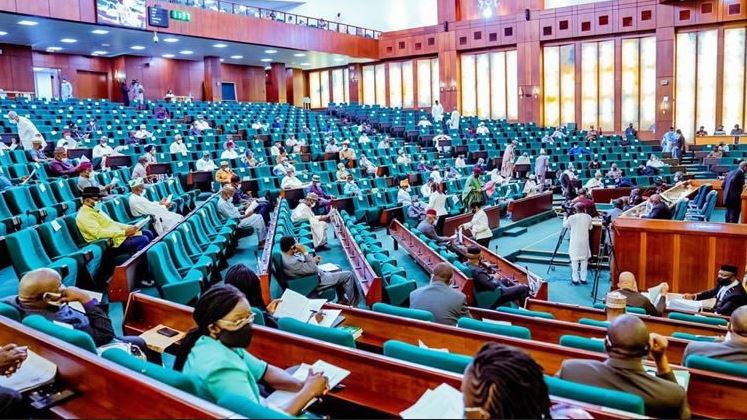
By Ubong Ukpong, Abuja
The House of Representatives on Thursday unanimously called for urgent and coordinated actions to protect Nigerian girls from child marriage and other harmful practices.
The call followed a motion of urgent national importance moved by the member representing Kosofe Federal Constituency, Lagos State, Rep.
Kafilat Ogbara, in commemoration of the International Day of the Girl Child, marked every October 11th.Ogbara, while moving the motion, decried the prevalence of child marriage and other harmful practices against the girl child.
She called on government at all levels to strengthen national programmes aimed at preventing child marriage and protecting girls at risk.
The Speaker, Rep. Abbas Tajudeen, in adopting the motion, also urged governments at all levels to ensure that every girl child has access to education, and quality healthcare.
The theme for the 2026 commemoration siught to reaffirm commitment to ending child marriage and upholding the fundamental rights of every girl child.




Attempted Suicide in Nigeria: Legislative Reform, Economic Hardship and the Right to Human Dignity
ShareBy Oluwaleye Adedoyin Grace Should a person who survives a suicide attempt be punished or helped? This question challenges Nigeria’s...

UBA Scores Legal Victory in N156bn Stallion Debt Case
ShareBy Tambaya Julius, Abuja United Bank for Africa (UBA) Plc has secured a favourable judgment in its N156 billion debt...
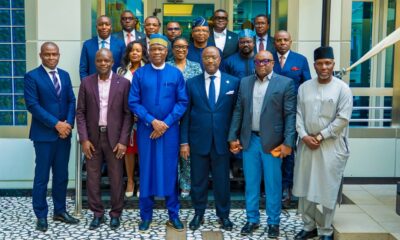

Nigeria Customs, Afreximbank Push Regional Border Modernisation
ShareBy Tambaya Julius, Abuja The Nigeria Customs Service (NCS) and the Customs administrations of Benin and Cameroon are working with...


NCDMB Heritage Energy Train 48 Nigerians in Subsea Engineering
ShareFrom Mike Tayese, Yenagoa The Nigerian Content Development and Monitoring Board (NCDMB), in partnership with Heritage Energy Operational Services Limited...
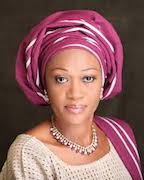
CAN: Tinubu Tasks Christians for Greater Unity
ShareBy Laide Akinboade, Abuja The first lady Senator Oluremi Tinubu, at the weekend urged all Nigerian Christians to ensure they...
Maka Oganiru Begins Operations, Pledges Africa’s Investment-ready Projects
ShareBy Tony Obiechina, Abuja New Africa-focused advisory firm aims to connect high-potential opportunities with global capital, institutional investors and strategic...
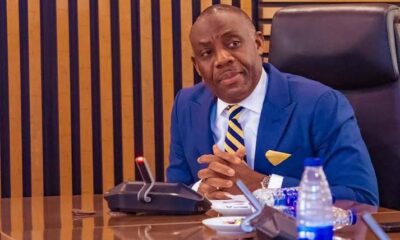

FG Tadks Varsities on Specialised Health Degree Programmes
ShareBy Tambaya Julius, Abuja The Federal Government has urged vice-chancellors of Nigerian universities to introduce degree programmes that address critical...

Presidency, Makinde Clash Over Alleged ₦250bn NLNG Fund for States
ShareBy Tambaya Julius, Abuja The Presidency has dismissed claims by Oyo State Governor Seyi Makinde that the Federal Government is...

UBA Wins N156bn Debt Recovery Case Against Stallion Group
ShareThe Court on Friday ruled in the Bank’s favour on all issues and granted all its prayers. United Bank for...

Senator Abba Moro: It is Time to Go Home
ShareBy Cleopas Agada For seven years in the National Assembly, what has Benue South actually felt? For a man who...