
NEWS
Wike Begs Abuja Residents for Cattle Roaming FCT Major Roads


By Laide Akinboade Abuja
Minister of the Federal Capital Territory (FCT), Nyesom Wike on Monday took responsibility for the continued presence of cattle on major roads and streets across Abuja.
Wike stated this during his monthly media briefing in Abuja.
Wike expressed regret over the development and assured residents that the administration remains committed to addressing it.
According to Wike, “I apologise that up till now there are cows still roaming the streets of Abuja, I take responsibility”.
FCT Minister, noted that the infrastructural development in satellite towns and rural communities has significantly helped to reduce insecurity and improve access to farmlands across the territory.
He stressed that his administration deliberately shifted attention to neglected rural communities after extensive consultations with traditional rulers, youths, women and other stakeholders who identified poor road infrastructure as a major factor fueling insecurity.
According to him, communities complained that security agencies often found it difficult to pursue criminals because many rural roads were impassable.
“What we did was to go to the rural areas and interact with the stakeholders, the chiefs, the youths, the women and other leaders,” Wike said.
“What I found very interesting is that they know their terrain. They told us most of the roads were not passable at all and that even when attacks occurred, security operatives could not effectively respond because the roads were bad. So we took on the task and built the roads they themselves nominated.”
The minister said the intervention has yielded positive results, particularly in Kuje Area Council, where several road projects have been completed.
“Those roads have been built, and it really helps in terms of reducing insecurity and in terms of having access to their farmland,” he stated.
Wike stressed that unlike previous administrations that announced policies without implementation, the current FCT Administration was focused on delivering tangible results.
“Whatever policies we make, by the grace of God, we will implement them. That is how people are going to see the impact of governance, particularly in the rural areas,” he said.
The minister also disclosed that President Bola Tinubu would commission several major projects in satellite towns as part of activities marking the administration’s anniversary.
Among the projects are water schemes in Kuje, Orozo, Gwagwalada and Dobi, which he said would improve access to potable water in underserved communities.
“We can’t concentrate only on the city. We must also move to the satellite towns and provide them with critical infrastructure,” Wike said.
He revealed that the water projects were executed by CGC and are ready for commissioning, adding that two area councils have already benefited from the intervention between 2025 and 2026.
The minister further listed several road projects completed or nearing completion across the territory, including the A2-Pai road, the Bwari-Kubwa corridor, roads in Dei-Dei, and sections of the A3 highway.
According to him, the Bwari-Kubwa road will be completed this year, while work is progressing on the Abuja airport corridor and the Zuba-Airport link road aimed at reducing traffic congestion within the city centre.
Wike also announced plans to review the Abuja Master Plan, saying discussions with the original Japanese designers have been scheduled for July.
“The world has changed. The world is different. You have to conform with current realities,” he said, noting that the administration was committed to ensuring development aligns with modern urban planning needs.
The minister urged residents and the media to embrace constructive engagements with the government by drawing attention to areas requiring intervention rather than merely criticizing public policies.
“Government can’t do everything. If citizens call our attention to certain things and make useful suggestions, we can act on them. Constructive criticism is important,” he added.
Wike also disclosed that the FCT Administration is constructing additional hostel accommodation for students at the Nigerian Law School as part of efforts to improve educational infrastructure in the capital city.
By Tony Obiechina, Abuja
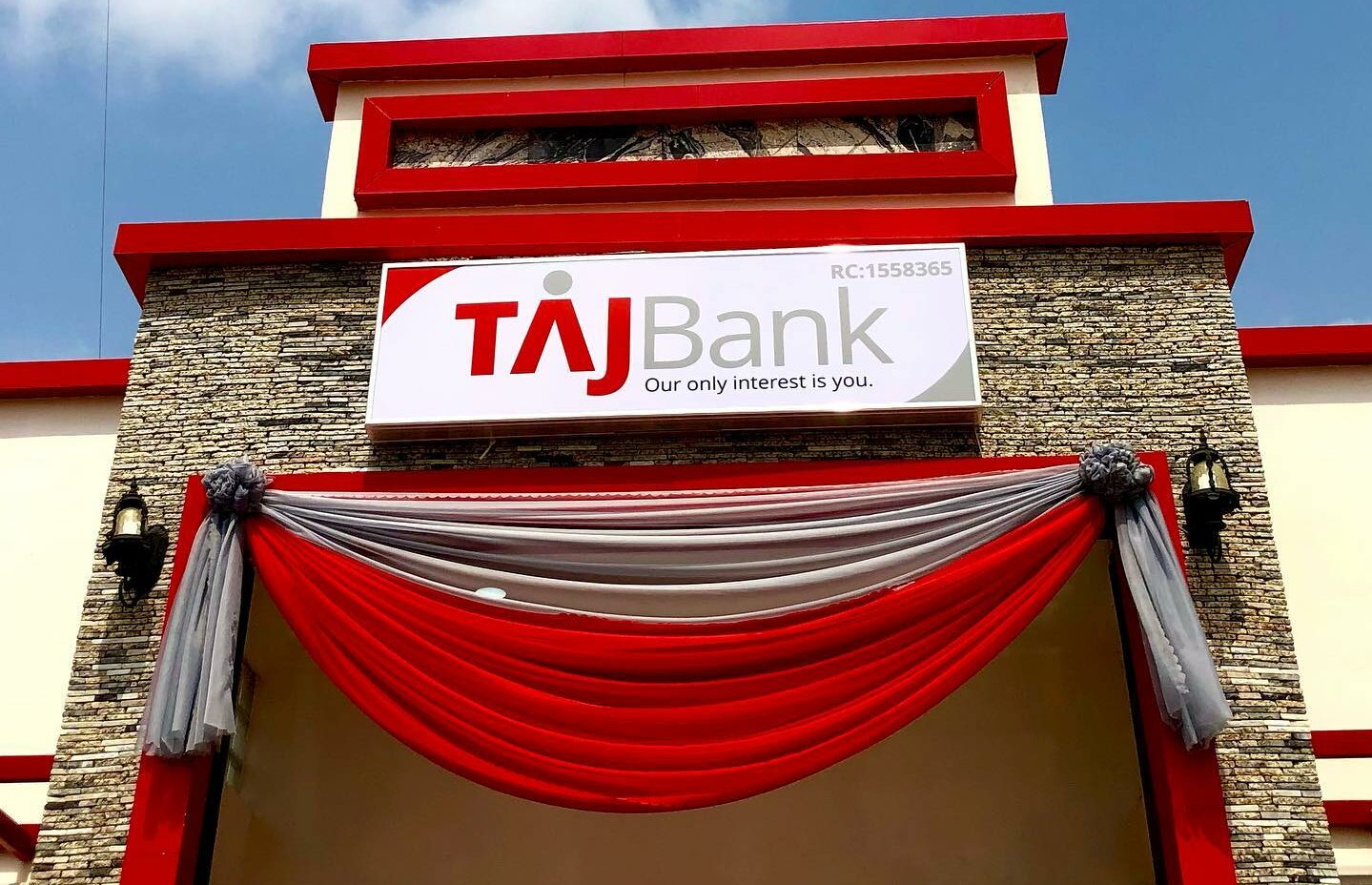
TAJBank Limited, Nigeria’s innovative-driven non-interest bank (NIB) has maintained its lead position as Nigeria’s biggest ethical bank based on the approved statements of financial positions of the NIBs by the regulatory authorities at the end of 2025 year.
The latest data from the FY2025 statement of the financial position of TAJBank, showed that the non-interest lender had consolidated its frontline position in the subsector based on Gross Assets and Profit values as well as in other Key Performance Indicators (KPIs) ratings during the year.
Specifically, in the year under review, TAJBank’s Total assets grew to N1.34 trillion from N953 billion in the preceding year, representing 41% growth; Gross earning assets surged to N847.706 billion, from N467.377 billion in FY 2024, indicating 81% surge; while Total Equity surged to N149.230 billion, reflecting 144% growth over the N61.250 billion in FY 2024.
A further analysis of the TAJBank’s FY2025 approved financial statement indicated that it posted N132.563 billion in Gross earnings, representing 71% growth over the N77.550 billion in the previous year; Earnings value of N1.037 trillion; while its Profit Before Tax (PBT) rose by 74% to N31.562 billion in FY 2025, from N18.166 billion in FY2024; and the Capital adequacy ratio stood at 30%.
Commenting on TAJBank’s during the year under review, a chartered banker and former Director-General of the Chartered Institute of Bankers in Nigeria (CIBN), Dr. Uju Ogubunka, who cited the bank’s KPIs in the financial statement to justify his views, said the bank has made some progress and that its financial performance indicators between 2024 and 2025 suggest that.
Ogubunka, who is the President of the Bank Customers Association of Nigeria (BCAN), expatiated: “For instance, it’s Total Assets grew by as much as 41%; the Gross Earnings and Profit before Tax grew by 81% and 74%, respectively. Similarly, Returns on Assets was upward by a huge 23%. All of these in an economy that has been variously challenged by a multiplicity of factors.
“With all the positives, there is no doubt that the bank’s performance for the 2025 financial year end can be judged to be positive and should be encouraged and sustained.
“It is an excellent evidence that the bank is aggressively penetrating it’s targets, especially at the rural areas, and thus contributing to the level of financial inclusion of the people”, he added
In his remarks, the Managing Director/CEO of TAJBank, Hamed Joda, enthused: “The improving performance of our bank is a clear demonstration of the Board of Directors and management’s strong commitment to making TAJBank the best ethical bank in Nigeria by all assessment parameters.
“We owe our shareholders, customers, regulatory authorities and workers a lot of gratitude for supporting our efforts targeted at transforming TAJBank into a global brand in the ethical banking space in the years ahead”, Joda added.
Speaking on the bank’s financial scorecard in the year under review, the bank’s Executive Director, Sherif Idi, said: “The FY2025 performance of TAJBank is in furtherance of its corporation vision and mission and I want to assure all our stakeholders, particularly the shareholders and customers, that our bank shall continually promote their interest in line with our corporate shared value always.”Over the past few years of its operations, TAJBank has been winning local and international awards for its futuristic, innovation-driven, customer friendly and economy growth-supporting ethical banking products and services
From Joseph Amedu, Lokoja
Kogi State was on Monday placed on heightened security alert following a deadly bandit attack in Kabba/Bunu Local Government Area and the government’s suspension of the popular Echane Festival in Ebiraland over security concerns.
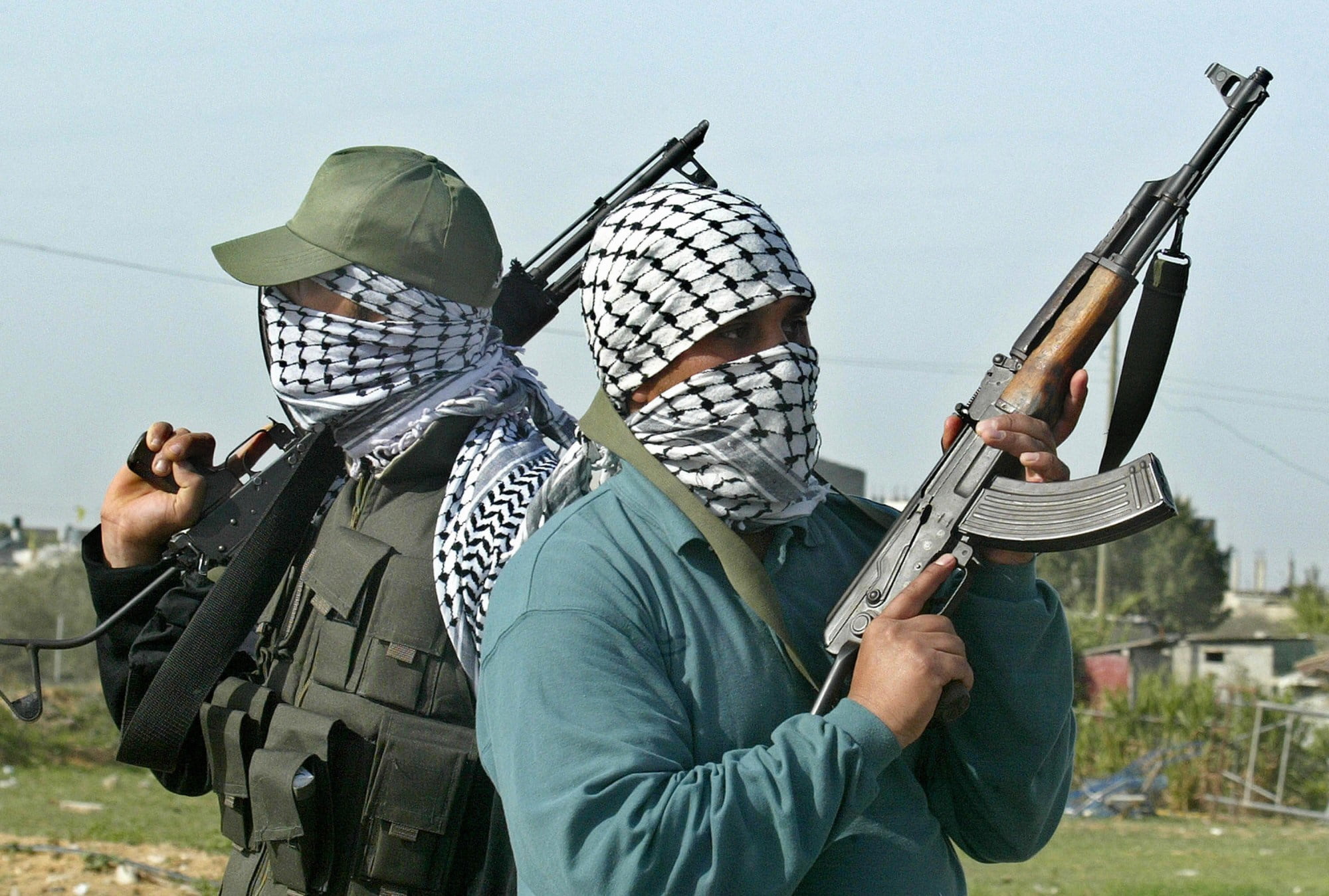
In the latest security breach, suspected bandits invaded Ayegunle Bunu community in the early hours of Monday, killing one person, injuring another and abducting more than 30 people.
Preliminary reports indicated that the attack occurred at about 2:25 a.m., throwing residents into panic.
Sources said two indigenes of the community—a man and a woman—were among those kidnapped, while the majority of the abductees were passengers in a commercial bus intercepted by the attackers while passing through the area.Confirming the incident, the Kogi State Commissioner of Police, Naziru Kankarofi, disclosed that security agencies had launched coordinated operations to rescue the victims and track down the perpetrators. He assured that investigations were ongoing and efforts intensified to restore normalcy to the affected community.
Amid growing security concerns, the Kogi State Government announced the immediate suspension of the Echane Festival in Ebiraland, citing credible intelligence reports suggesting that activities associated with the annual cultural celebration could threaten public peace and trigger a breakdown of law and order in parts of Kogi Central Senatorial District.
In a statement issued by the Commissioner for Information and Communications, Kingsley Femi Fanwo, the government said Governor Usman Ododo approved the suspension as a proactive measure to safeguard lives and property.
While acknowledging the cultural significance of the festival, the government stressed that public safety remained paramount, warning that anyone found organizing, participating in or promoting activities connected to the suspended festival would face legal consequences.
The administration also directed security agencies to ensure strict compliance with the directive and appealed to traditional rulers, community leaders, youth groups and residents to support efforts aimed at maintaining peace and stability across the state.
The twin developments have heightened concerns over security in Kogi, with authorities insisting that decisive measures are being taken to prevent further threats and protect citizens.
By David Torough, Abuja
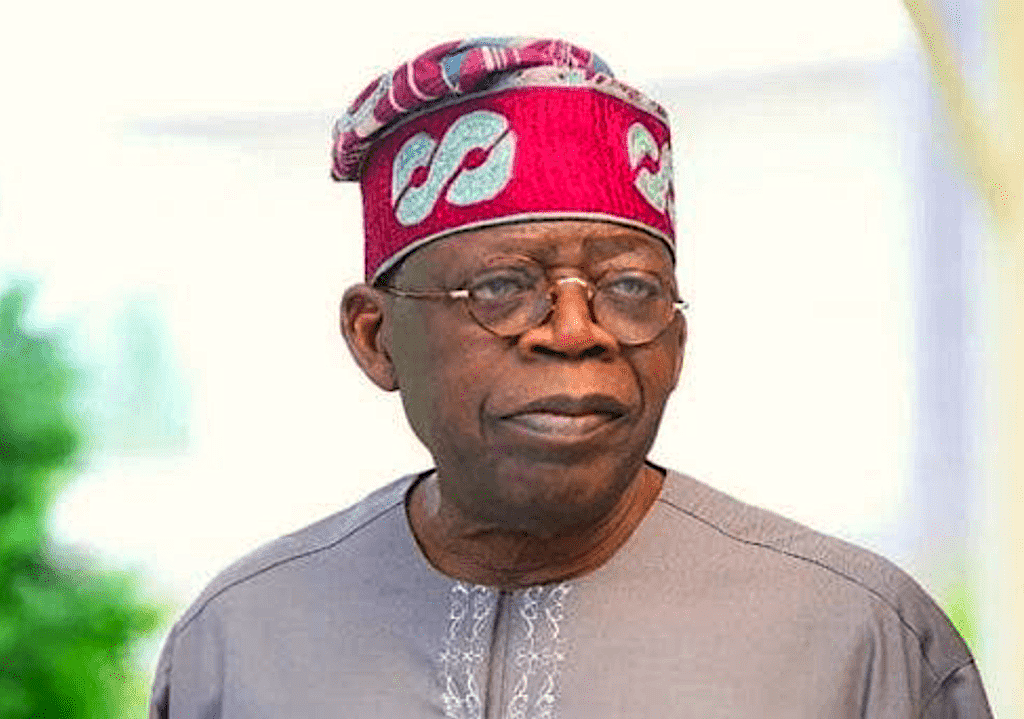
President Bola Tinubu on Monday hailed the Nigerian Navy for attaining continental leadership as it marked its 70th anniversary, describing the service as one of Africa’s most formidable maritime forces and a critical pillar of national and regional security.
Speaking at the International Fleet Review and the inauguration of the Combined Maritime Task Force in the Gulf of Guinea at the Eko Atlantic Waterfront, Lagos, the President commended the Navy’s transformation from a colonial marine service established in 1956 into a modern and sophisticated naval force contributing significantly to Nigeria’s security and economic prosperity.
Tinubu said the Navy’s emergence as a leading maritime force on the continent reflects decades of professionalism, operational excellence and strategic development.
As part of activities marking the anniversary, the President commissioned three new naval vessels, reaffirming his administration’s commitment to the recapitalisation of the Navy and the promotion of indigenous shipbuilding capacity to strengthen maritime security and operational effectiveness.
He noted that Nigeria’s maritime domain remains a vital source of foreign exchange earnings and global trade, praising the Navy’s role in safeguarding the nation’s waters through enhanced surveillance, rapid response mechanisms and robust enforcement operations.
According to him, the Navy has successfully eradicated piracy in Nigerian waters and significantly reduced crude oil theft and other maritime crimes, contributing to improved security in coastal communities, increased oil production and national economic growth.
The President also lauded the Navy’s contributions to counter-terrorism and counter-insurgency operations, particularly the exploits of its Special Boat Service and the recent deployment of Navy Marines in operational theatres across the country.
Tinubu further applauded the operationalisation of the Combined Maritime Task Force, describing it as a demonstration of growing multinational cooperation to secure the Gulf of Guinea and strengthen maritime governance in the region.
He expressed appreciation to international partners and commended Côte d’Ivoire, The Gambia, Ghana, Liberia and Sierra Leone for their support in advancing the initiative.
The President urged officers and ratings of the Navy to sustain their professionalism and operational excellence, expressing confidence that the service would continue to play a pivotal role in securing Nigeria’s maritime domain and supporting the growth of the nation’s blue economy.
Chief of the Naval Staff, Vice Admiral Idi Abbas, assured Nigerians that the Navy would continue to work tirelessly to protect the nation’s maritime territory and safeguard national interests. The event was attended by service chiefs, defence ministers, senior government officials and members of the diplomatic corps.




Wike Begs Abuja Residents for Cattle Roaming FCT Major Roads
ShareBy Laide Akinboade Abuja Minister of the Federal Capital Territory (FCT), Nyesom Wike on Monday took responsibility for the continued presence of cattle on major roads and...


TAJBank Makes Nigeria’s Biggest Non-interest Bank by Assets, Profit
ShareBy Tony Obiechina, Abuja TAJBank Limited, Nigeria’s innovative-driven non-interest bank (NIB) has maintained its lead position as Nigeria’s biggest ethical...


Gunmen Attack Kogi Community, Kill One, Kidnap Over 30 Travelers, Residents
ShareFrom Joseph Amedu, Lokoja Kogi State was on Monday placed on heightened security alert following a deadly bandit attack in...

Navy Marks 70th Anniversary, Tinubu Extols Continental Leadership
ShareBy David Torough, Abuja President Bola Tinubu on Monday hailed the Nigerian Navy for attaining continental leadership as it marked...

2027 election: l Nwanyanwu emerges as ZLP Consensus Presidential Candidate
ShareBy Laide Akinboade, Abuja The Zenith Labour Party (ZLP) has endorsed its National Chairman, Chief Dan Nwanyanwu, as the party’s...

Three Years After: A Critical Evaluation of Tinubu’s Economic Reforms
ShareProf Uche Uwaleke As President Bola Ahmed Tinubu marked three years in office on May 29, 2026, Nigeria stands at a defining moment in...


Troops Neutralize Five Terrorists, Rescue 31 Kidnapped Victims in Katsina, Zamfara
ShareFrom Ifeanyichukwu Nwannah, Gusau Troops of Sector 2 Operation Fansan Yamma have rescued 31 kidnapped victims, neutralized five terrorists and dismantled several terrorists camps in a series of coordinated...
Arsenal Set Aside UCL Loss to PSG with Bus Parade Celebrating EPL Title
ShareTens of thousands of Arsenal fans put aside their pain at missing out on European glory as the club on Sunday celebrated...
Ghana’s Parliament Passes Anti-LGBTQ+ Bill
ShareThe parliament in Ghana has approved a new bill criminalising homosexuality and the promotion of LGBTQ+ activities. It proposes that identifying as lesbian, gay, bisexual, transgender or...
Kwara Community Clash Claims Two, Razes 10 Houses
ShareTwo people were killed, and about 10 houses were burnt in Ilesha Baruba, Baruten Local Government Area of Kwara State, on Saturday, after a violent clash involving an...