
OPINION
2023: Political Events that Defined the Year


By Jideofor Adibe
As the year gradually draws to an end, it may be germane to review some of the key political events that defined the year, with a view to distilling the lessons to be learnt from them. Here are some of the highlights:
INEC and the 2023 Elections
Arguably the biggest political event of the year was the preparations for, and the actual conduct of the presidential and National Assembly elections, as well as the Governorship and State Houses of Assembly elections held on 25 February and 18 March respectively.
In the presidential election, the four leading candidates were Bola Tinubu of the ruling APC (who emerged the flagbearer of the party against all odds and despite the banana peels); Atiku Abubakar of the PDP; Peter Obi of the Labour Party; and Alhaji Rabiu Kwankwaso of the New Nigerian Peoples Party (NNPP).
A big issue in the run-up to the primaries of the two dominant political parties – the APC and the PDP – was the clamour that the Southern part of the country should produce the country’s next president. Within the South, both the South-East (the only geopolitical zone from the South not to have produced a President of the country in this dispensation), and Bola Tinubu, who said it was his turn (emilokan/entitlement) to become President, which added fuel to the age-old rivalry between the Igbo and the Yoruba.
Another major defining feature of the 2023 presidential election was the rise of former Anambra State governor, Peter Gregory Obi and his cross-party supporters known as the ‘Obidients.’ Obi’s apparent acceptance across the country – driven initially by mostly non-Igbo social media influencers, celebrities and activist youths – appeared to be a pleasant surprise to a generation of Igbo youths who apparently believe that their race is hated and distrusted by other nationalities in the country on account of the Civil War, and the Civil War propaganda internalised by both sides to the conflict.
The Obi phenomenon was obviously bolstered by Christians, who were angered by the ruling APC’s same faith (Muslim-Muslim) ticket and the possibility of a Muslim being the president of the country for 24 uninterrupted years (the eight years of Buhari; a potential eight years of Tinubu; and another eight years when power returns to the North, and most likely to a Muslim).
Obi’s candidacy also benefitted from those uncomfortable with the prospect of Atiku Abubakar, a Northern Fulani Muslim, succeeding Buhari, a fellow Fulani Muslim. There were equally those who supported him on the premise that in the interest of ‘equity, justice and fair play’, someone from the South-East should succeed Buhari. Obi’s carefully cultivated public persona – anchored on prudence, modesty and empathic leadership – coupled with his anti-establishment messaging, all helped his candidacy.
In the results announced by INEC, Obi performed above the expectations of his critics, polling 6,101,533 votes – behind Atiku’s 6,984,520 and Tinubu’s 8,794,726. He won outright in 12 states (including the FCT) – just like Atiku and Tinubu, who was declared the president-elect by INEC.
His Labour Party also won 40 National Assembly seats. Both Atiku Abubakar and Peter Obi challenged the outcome of the election but the Supreme Court upheld the declaration of Tinubu as the president of the country on 26 October.
The campaigns and the elections properly showed clearly that we have a long way to go in our journey to nationhood in Nigeria. With the weaponization of ethnicity and religion during the election, and INEC clearly underperforming despite the huge resources ploughed into the conduct of the elections, questions have been raised not just about the appropriateness of the Western model of liberal democracy for our country but also about the impact of elections on the nation-building process in the country.
There are fears that with INEC’s gross underperformance in the 2023 elections, the country may have returned to the inglorious era of 2003-2007, especially with the INEC Chairman, Professor Mahmood Yakubu’s popularisation of the lingo that, “if you are not happy, go to court”, which seems to suggest that an outcome is more important than the integrity of its process.
On the Day of his inauguration on 29 May, Tinubu declared that the subsidy on Premium Motor Spirit (fuel) had gone. This was despite the fact that it was not part of his written speech and apparently no plan had been put in place to cushion the effects of the removal on the economy. He also, shortly afterwards, announced the flotation of the naira.
Some of the consequences of both measures include a huge hike in the pump price of fuel, a massive depreciation in the value of the naira, galloping inflationary pressures and increasing hardship on citizens. The Tinubu government seems to have spent most of its time in office trying to manage the negative impact of these two apparently knee-jerk policies, which were announced even before he had assembled his cabinet.
Remarkably, some of the measures announced to cushion the effects of these measures such as the Students Loan and Conditional Cash Transfer Schemes also appeared not to have been properly thought-through.
Return of Crude Godfatherism and the Mafianisation of Politics?
The feud between former governor of Rivers State and current Minister of Federal Capital Territory (FCT), Nyesom Wike, and his handpicked successor, Governor Siminalayi Fubara, has dominated the headlines in the last quarter of the year.
The political dogfight has led to moves to impeach Governor Fubara, the decamping of 27 PDP members of the state legislature to APC, the consequent declaration of their seats vacant by a factional Speaker of the State House of Assembly loyal to Governor Fubara, the demolition of the State House of Assembly complex and President Tinubu’s mediation, with an eight-point agreement that critics argue is skewed in favour of the FCT Minister.
There are fears that the audacity with which Wike is going after Fubara, so soon after the elections, may be a signpost of the return of the cruder form of godfatherism, known as machine politics, which characterised the early years of this cycle of liberal democracy in the country (1999-2007).
This is a form of politics defined by tight organisation and a strong centralised leadership, typically in the form of a “boss”, with the organisation/network dominating the landscape, mafia-style.
Tinubu is arguably Nigeria’s most successful political godfather, having been responsible for choosing all the governors of Lagos State since he completed his tenure as governor in 2007, and having also played a significant role in the emergence of most of the governors in the South-West and beyond.
Having used the networks he created as godfather of Lagos politics to expand his influence to some other parts of the country and eventually to become the president of Nigeria, it is possible that some ambitious politicians may be thinking of replicating the Tinubu template in their domains, with the hope of using it to also achieve national political power.
With public opinion apparently being overwhelmingly against Wike (with some also critical of Fubara’s apparent timidity and inability to man up), it cannot be ruled out that Wike may be thrown under the bus if public opinion remains heavily against him and the government feels he has become a liability to its image and survival.
Lights at the End of the Tunnel
While most members of the Tinubu cabinet are lacklustre and recycled politicians, there are a few in the cabinet who are really excited. These include the Minister of Information and National Orientation, Mohammed Idris Malagi, who, in contrast to the propaganda-laden and cantankerous communication style of his predecessor in office, Lai Mohammed, shows remarkable finesse, courtesy and respect for people’s views in his communication style, even when he disagrees with those views.
The same is also true of Presidential Spokesman Chief Ajuri Obari Ngelale, whose style is also a welcome relief from the combative and discourteous styles of Femi Adesina and Garba Shehu, whose modes of communication, in my opinion, did more harm than good to the Buhari government. I am however uncomfortable with the inclusion of Bayo Onanuga in the media team.
Onanuga, a self-confessed Yoruba irredentist who proudly declared that he is first a Yoruba man before being a Nigerian had, alongside Femi Fani Kayode and others, played very inglorious roles in the weaponization of ethnicity during the last election, especially in Lagos State.
Another source of optimism is the reported coming on stream of the Dangote Refinery and the Port Harcourt Refinery, coupled with promises that the country’s three other state-owned refineries will be operational by the end of 2024. If the refineries truly become operational, they will help to meet some of the domestic demands for fuel, which could in turn have a beneficial impact on fuel prices and the value of the naira in the forex markets.
Another light at the end of the tunnel is the sheer resilience and creativity of Nigerians. It is said in street lingo that while Nigeria is a tough country, Nigerians themselves are like irons who can adjust and adapt to any hardship. Though more Nigerians are slipping into the absolute poverty bracket and more are voting with their feet, the resilience and resourcefulness of Nigerians in the face of adversities remain a source of hope.
By Racheal Abujah
Mrs Amara Obi, a 28-year-old trader at Wuse Market in the FCT, believed that she only had a simple toothache.
With limited options for affordable dental treatment, she went straight to a drugstore to purchase amoxicillin without a prescription.
“The pain eased, but only temporarily.
Over the next year, whenever the toothache returned, I repeated the same routine: taking leftover capsules, buying more antibiotics over the counter, and sometimes accepting medicines from neighbours.’’She believed the drugs were treating the problem, unaware they were merely masking symptoms while the infection spread.
What she did not know was that her repeated and unnecessary use of antibiotics was contributing to one of the world’s greatest public‑health threats: Antimicrobial Resistance (AMR).
“By mid‑2025 the antibiotics had stopped working.”
Her face became severely swollen; she developed a high fever and struggled to swallow.
“What I had dismissed as another toothache had become a medical emergency.’’
At Gwagwalada Teaching Hospital, she said that doctors discovered the infection from her untreated tooth had entered her bloodstream.
Even more alarming, the first‑line antibiotics normally used to treat severe bacterial infections were no longer effective.
“I spent three weeks in intensive care receiving specialised intravenous medicines before I recovered.
“Although, I survived, the cost of treatment wiped out my savings,” she said.
Today, she tells her story to warn others that brushing one’s teeth, seeking prompt dental care and avoiding self‑medication are not merely matters of oral hygiene; they can be matters of life and death.
Her experience reflects a growing but often overlooked public‑health challenge confronting Nigeria.
The World Health Organisation (WHO) has identified AMR as one of the top 10 global public‑health threats and says oral health has an important role to play in addressing the crisis.
While AMR discussions often focus on hospitals and infectious‑disease outbreaks, experts say one of its least recognised drivers lies much closer to home: in the mouth.
Dentists warn that a common misconception is that antibiotics cure toothaches. In reality, most dental conditions require procedures rather than medicines.
“Tooth decay, inflamed dental pulp and many dental abscesses are best treated with fillings, drainage, root‑canal treatment or extraction, depending on severity.
“Antibiotics are generally reserved for when infection has spread beyond the tooth or when patients face a high risk of severe complications.
“Using antibiotics without treating the source merely suppresses symptoms while the disease progresses,’’ a dentist said.
But knowing the correct treatment and accessing it are often two different things.
Across Nigeria, limited access to affordable dental care leaves many people with few options.
Rural communities frequently have no resident dentist, and treatment costs discourage many families from seeking early care.
Instead, countless Nigerians rely on patent medicine vendors and community pharmacies, where antibiotics are often seen as cheaper and faster alternatives to professional dental treatment.
Dr Adekemi Adeniyan, Executive Director of the Dentalcare Foundation, provided insights.
“In many rural and semi‑urban communities the local patent medicine vendor is the dentist.
“People do not present to dental clinics until severe, life‑threatening complications force them to.
“By that time they have already cycled through multiple courses of unprescribed amoxicillin and metronidazole, giving oral bacteria a head start in developing resistance,” he said.
Adeniyan and other experts say delayed presentation and inappropriate antibiotic use are quietly accelerating the emergence of resistant bacteria.
A recent study in the Nigerian Dental Journal found worrying gaps in knowledge of antimicrobial resistance and antimicrobial stewardship among dental students in clinical training.
The study’s lead researcher warned that ‘over half of dental students in clinical training struggle with optimal AMR knowledge.
If future prescribers cannot accurately identify misuse patterns, we are fighting a losing battle.
“We must urgently harmonise clinical curricula across Nigerian universities to ensure antimicrobial stewardship is taught with the same rigour as surgical and dental procedures.
“The findings have renewed calls for stronger stewardship education so future dentists prescribe antibiotics appropriately and educate patients on responsible medicine use,” the study said.
Nigeria’s Second National Action Plan on AMR adopts a One Health approach, recognising that human, animal and environmental health are interconnected.
However, experts argue that oral health remains one of the weakest links in implementation.
In his submission, Dr Nafiu Lawal, Senior Lecturer and Consultant Virologist at Usmanu Danfodiyo University, said that oral‑health infrastructure was a primary bottleneck.
When more than 70 per cent of pharmacies are dispensing antibiotics without a script, a simple untreated cavity turns into an economic and medical burden that costs our healthcare system immensely.
“We must fund localised surveillance and integrate basic dental hygiene into national public‑health campaigns,” he said.
Lawal recommended stronger regulation of antibiotic sales, expanded access to dental services and sustained public awareness campaigns to bolster Nigeria’s AMR response.
The consequences of AMR extend far beyond hospitals.
Available estimates indicate AMR costs Nigeria about 2.4 per cent of its annual GDP through reduced productivity, prolonged illness and increased healthcare expenditure.
The Federal Ministry of Health estimates AMR‑related absenteeism, lingering illness and caregiving responsibilities drain about N500 billion from the economy each year.
Treatment costs can increase by as much as 287 per cent once first‑line antibiotics fail, because patients require more expensive medicines, prolonged hospital stays and intensive care.
Long‑term projections suggest that, if unchecked, AMR could cost Nigeria between four and seven per cent of GDP by 2050.
Current healthcare data underline the scale of the challenge.
About 72.4 per cent of pharmacies and medicine vendors reportedly dispense antibiotics without prescriptions, making self‑medication common.
Multidrug‑resistant pathogens account for 70 per cent to 90 per cent of certain hospital‑acquired infections, while only 23.4 per cent of secondary healthcare facilities have functional microbiology laboratories.
Public awareness remains low, with just 23.8 per cent of the population demonstrating adequate knowledge of AMR risks.
These figures show how gaps in oral healthcare, antibiotic regulation, diagnostics and public education combine to fuel resistance.
Health professionals say one of the simplest ways to reduce antibiotic misuse is to prevent dental disease before it occurs.
When more than 70 per cent of pharmacies are dispensing antibiotics without a script, a simple untreated cavity turns into an economic and medical burden that costs our healthcare system immensely.
They recommend brushing twice daily with fluoride toothpaste, cutting down on sugar, attending regular dental check‑ups, and seeking prompt treatment for dental pain rather than relying on antibiotics
Community pharmacists also have an important role through responsible dispensing, patient counselling and support for antimicrobial stewardship.
Mr Johnson Onoja, a community pharmacist, urges expanding oral healthcare through primary‑care centres, strengthening surveillance of antibiotic use in dentistry, improving laboratory capacity and integrating oral health into national AMR campaigns.
He argues that tackling AMR requires collaboration among dentists, physicians, pharmacists, researchers, universities, government agencies, civil‑society organisations and communities.
For Obi, the lesson came at enormous personal cost. A toothache she believed could be solved with a few capsules nearly cost her her life.
Her story is a reminder that antimicrobial resistance does not begin only in hospital wards or research laboratories, sometimes it begins with an untreated cavity, a visit to a neighbourhood medicine vendor and a course of antibiotics that should never have been taken.
As Nigeria intensifies efforts to implement its National Action Plan on AMR, experts say oral health can no longer be an afterthought.
They say protecting antibiotics—the medicines on which modern healthcare depends—may begin with something as simple as a toothbrush, a timely visit to the dentist, and the decision to use antibiotics only when truly needed.(NAN)
By Egobi Ofuogu
In early June, many Nigerians watched in disbelief as viral videos showed people pleading for money during a TikTok Live session allegedly hosted by suspected bandits.
The incident reignited concerns over the growing culture of soliciting virtual gifts and cash on social media, raising difficult questions about the boundaries between digital entrepreneurship and online begging.
As TikTok Live becomes a popular source of income for young Nigerians, opinions remain divided over whether the platform represents a legitimate avenue for creators to monetise their talents or a troubling trend that encourages dependence on virtual donations.
The debate also reflects broader concerns about youth unemployment, Nigeria’s evolving digital economy and the responsible use of social media.
Indeed, social media platforms have transformed the way people communicate, interact and create economic opportunities, with young Nigerians exploring digital spaces for income generation.
Platforms such as Facebook, Instagram, WhatsApp, X and TikTok have evolved beyond social networking to influence careers, businesses, community mobilisation and civic participation.
Among them, TikTok has emerged as one of the most popular platforms, enabling content creators to earn income through brand partnerships, advertising and virtual gifts from followers.
However, the growing popularity of TikTok Live, where viewers send gifts that can be converted into cash, has fuelled debate over whether the practice represents digital entrepreneurship or a new form of online begging.
According to DataReportal, Nigeria had an estimated 47.8 million social media users as of October 2025, representing about 20 per cent of the population.
Similarly, Intelpoint estimates TikTok’s Nigerian user base at about 37.4 million, underscoring the platform’s growing influence among young people.
For many, TikTok Live has become more than entertainment; it offers opportunities to build audiences, showcase creativity and generate income.
Even so, critics argue that some users have shifted from creating valuable content to merely soliciting gifts without offering meaningful engagement.
Sharing his perspective, Mr Steve Benjamin, a youth activist, said TikTok Live should not automatically be labelled as e-begging.
According to him, what matters is the intention behind using the platform.
“I did not go live because I was looking for money. As a matter of fact, I did not receive gifts from anybody and I did not ask for any,” he said.
Benjamin, however, expressed concern about creators who resort to degrading or exploitative content, especially involving children, simply to attract gifts and monetary rewards.
He urged content creators to focus on meaningful content while using digital platforms responsibly.
Furthermore, he advised youths who earn income from TikTok and similar platforms to diversify their revenue streams, noting that changes in algorithms, platform policies and audience preferences could affect earnings.
He encouraged creators to invest proceeds from social media in businesses, education and other sustainable ventures.
Offering a different perspective, entrepreneur Mr Jesse Ayo argued that virtual gifts should be seen as support for creators rather than acts of charity.
According to Ayo, quality content requires time, creativity and commitment, and audiences who appreciate such efforts should be free to support creators financially.
“When I see people put out content, I am pleased and want to support them so that they will be encouraged to do better,” he said.
He described content creation as legitimate work, saying creators devote considerable time and energy to producing engaging content.
“TikTok is just like a job now because people are putting in their time and energy. They spend sleepless nights creating content and it can be discouraging when the views are low or people do not appreciate their efforts,” he added.
Nevertheless, Ayo advised users to exercise restraint when spending money on virtual gifts.
Beyond individual opinions, research has also drawn attention to the growing phenomenon of online begging on social media.
A 2023 study titled Analysis of Online Begging Phenomena in TikTok identified online begging as an emerging practice driven by advances in digital technology and changing social behaviour.
Similarly, a 2025 study published in the Asian Journal of Humanities linked the trend to poverty, rapid technological development and the growing desire for online visibility.
Taken together, the studies suggest that while TikTok Live creates economic opportunities, it also raises ethical concerns over emotional manipulation, exploitation and controversial tactics used to attract financial rewards.
Meanwhile, governments and regulators across the world continue to focus on issues such as data privacy, child protection, misinformation and online safety.
In Nigeria, agencies including the National Information Technology Development Agency (NITDA), the Nigerian Communications Commission (NCC) and the National Broadcasting Commission (NBC) have consistently advocated responsible use of digital platforms.
The Director-General of NITDA, Mr Kashifu Inuwa Abdullahi, has repeatedly urged Nigerians, especially young people, to use digital technologies productively.
According to him, excessive consumption of entertainment content could distract young people from acquiring digital skills, innovation and entrepreneurship needed for national development.
He has consistently maintained that digital platforms should serve as tools for learning, creativity, innovation and economic empowerment rather than mere entertainment.
Echoing that position, digital economy expert Mr Isaiah Pam called for greater digital literacy, saying users should understand both the opportunities and risks associated with social media.
He said while digital platforms provide opportunities for business growth, networking and access to global markets, users must exercise caution and avoid harmful online practices.
In the same vein, youth development advocate Ms Naomi Adeyemi urged young creators to prioritise value-driven content, protect their privacy and build sustainable income streams instead of relying solely on virtual gifts.
According to her, responsible use of technology remains essential to ensuring that Nigeria’s expanding digital economy translates into youth empowerment and national development.
Analysts say Benjamin’s advice on diversifying income sources underscores the need for creators to complement earnings from social media with investments, skills acquisition and other sustainable ventures.
As millions of Nigerians continue to embrace TikTok, stakeholders agree that greater emphasis should be placed on responsible content creation, digital literacy and protecting vulnerable users from exploitation.
Ultimately, observers say whether TikTok Live becomes a platform for entrepreneurship or a channel for e-begging will depend largely on how creators and users choose to engage with it.
For many, the future of Nigeria’s digital economy will not be determined simply by how much money changes hands online, but by whether digital platforms are used to create lasting value, innovation and sustainable livelihoods. (NAN)
The Non-story of Cross-border Power Debt, and the Story Worth Telling
By Tobi Oluwatola
Every few months, the same headline returns: Benin, Togo and Niger owe Nigeria billions of naira for electricity. This quarter it is about ₦17.45 billion. It arrives with the same wave of indignation, that we are keeping our neighbours in light while our own citizens sit in darkness. It makes for a good headline. It is also, on the numbers, a non-story, and it distracts from a far more hopeful one.
Begin with what that figure actually is. The payment risk it seems to describe was dealt with years ago. Under the Eligible Customer reforms of 2017 and the Willing Buyer, Willing Seller framework of 2019, cross-border and large-industrial electricity supply was moved onto direct, guaranteed bilateral contracts entered by neighbouring utilities directly with Nigerian Generating Companies (Gencos).
To buy power this way, a customer must post a letter of credit or a bank guarantee to the market operator before a single megawatt flows. That is precisely why the energy trade with our neighbours works: it was designed to be commercially disciplined, and it runs on surplus capacity, not on power taken from Nigerian homes, and is capped at less than 10 per cent of the power on the grid.
So what is the ₦17.45 billion? It is a residual service charge, the regulated fee that covers the regulator, the transmission company, the bulk trader and the market and system operator, running at around $20 million a quarter.
The value of the electricity itself, the energy and capacity for the roughly 350 megawatts supplied, is settled separately under those guaranteed contracts, and it is larger. The number in the news is the small administrative slice of the trade, and it happens to be the one layer not yet fully behind a guarantee.
The neighbours pay this slice to the generating companies, alongside their energy and capacity charge; it is the generating company that pays the market operator. Even that is now being closed: the system operator is moving to secure its service charges the same way the energy contracts already are. Where a balance lags, it is usually an older government-linked plant on legacy terms, inside a market simply mid-way through a transition, not a foreign default.
This is the part worth dwelling on, because it points to what Nigeria should do next. The same commercial discipline that quietly fixed the cross-border trade also governs the power that our factories buy.
On that same June day, 228 megawatts went directly from generators to Nigerian industry, to steel mills, food processors and manufacturers, under guaranteed bilateral contracts. Those customers pay, they get reliable power, and they sidestep the collection weakness of the distribution network entirely. It is, without fanfare, the healthiest part of the whole system.
That is the segment to grow with urgency, precisely because it does not wait on fixing everything else first. Nigeria can expand commercially-contracted supply both on the grid, as embedded generation, and off it, as captive plants and mini-grids, and it can start where the money is most bankable: agro-processing zones and staple-crop clusters first, then commercial hubs and the big cities.
These are dense, high-value, creditworthy loads that can carry cost-reflective, guarantee-backed contracts today. Every megawatt sold this way is a megawatt that is actually paid for, that guarantees more industrial output, more jobs, and proof to lenders that the model scales.
The same logic can be carried into the last and largest corner of the sector. Most of the roughly ₦6.8 trillion that generators are owed sits in the relationship between the distribution and generation companies.
Here too the fix is already in motion: the regulator’s 2024 move to bilateral trading is pulling generators and distributors off the old single-buyer pool and onto direct, guarantee-backed contracts. By the middle of last year, fewer than a third of grid generators had such contracts; the rest were still supplying on trust, which is how the debt builds.
Finishing that transition, patiently and without disrupting supply, so that a distribution-to-generation contract carries the same discipline as an industrial or cross-border one, would close the single biggest hole in the system.
None of this excuses the losses inside our own network, and that work matters too. On 28 June about 399 megawatts, a power station’s worth, was lost inside the grid before reaching any customer, and the larger loss is downstream, where distribution and collection losses of 30 to 40 per cent cost the distribution companies hundreds of billions of naira a quarter.
Metering, reinforcing the weakest transmission corridors and a serious posture against vandalism and theft are the tools, and every recovered megawatt is the cheapest power in the country. These are being tackled; they should be tackled faster.
So let us retire the annual ritual of outrage over the ₦17.45 billion. We should note properly: it is a modest service charge on a trade that Nigeria disciplined and guaranteed years ago, not evidence that our neighbours are fleecing us.
The more useful truth is that Nigeria already has a model that works; direct, guaranteed, bilateral contracts, proven with international customers and with our own industry. The job now is neither dramatic nor punitive.
It is to scale that model into our agro-processing zones and cities, extend it to the rest of the value chain, and keep closing the leaks at home. The people running this sector are, for the most part, already on that road. What they need is for the rest of us to help them move faster along it, not to keep relitigating a debt that was settled, by design, a long time ago.
Figures are drawn from NERC market reports and the National Control Centre’s daily load allocation for 28 June; the market operator invoice reflects regulated service charges, not the value of energy supplied.
Tobi Oluwatola is a partner at AP3 Advisory Services and chief executive of TAO Technologies. He advises on the UK PACT Nigeria Energy Programme.
By Tochukwu Jimo Obi
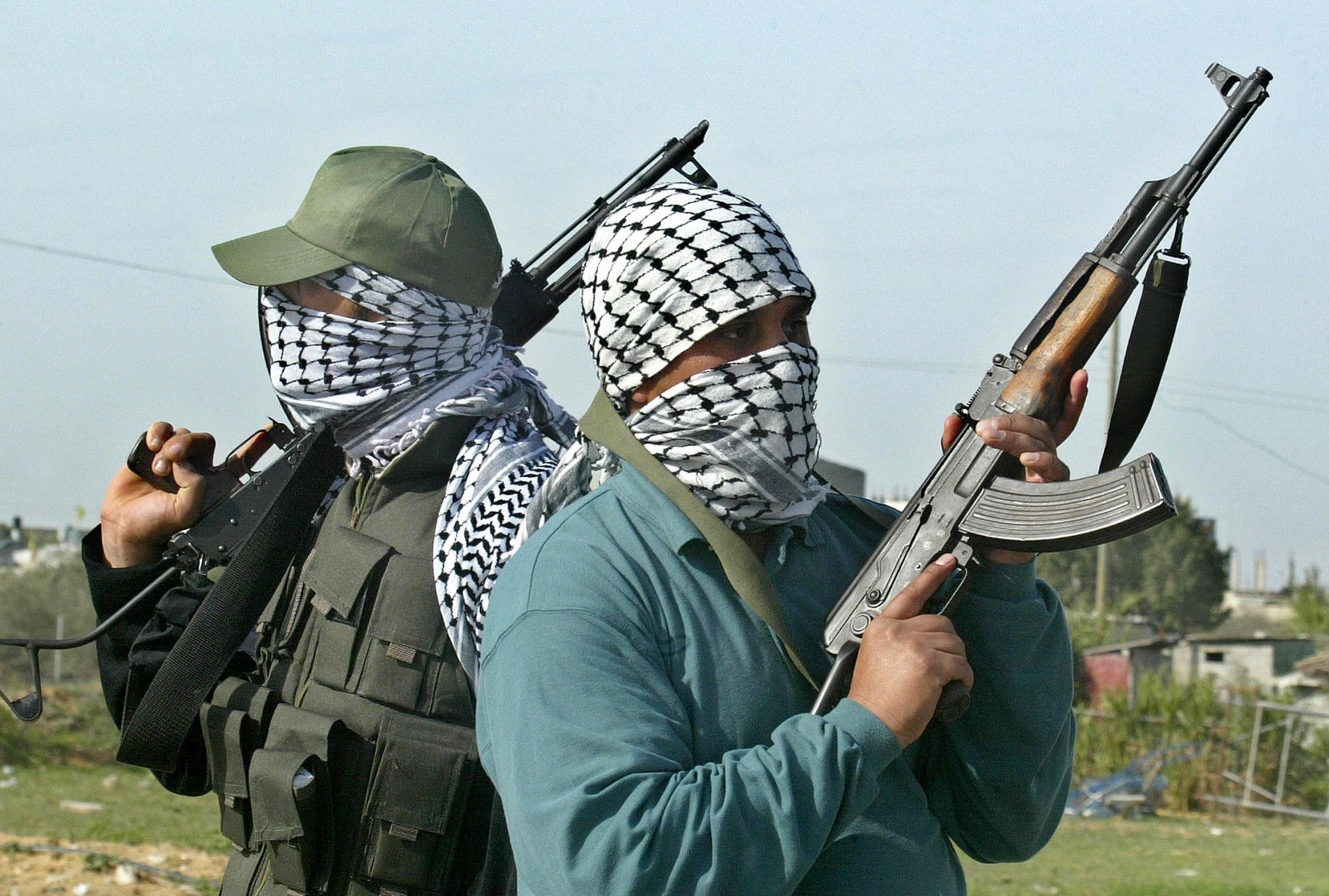
The recent kidnapping of students and teachers in Oriire Local Government Area of Oyo State has once again exposed the frightening state of insecurity confronting Nigeria. Condemnations have continued to trail Friday’s bandits’ attack on three schools in the area, where an unspecified number of students and teachers were abducted, while two persons were reportedly killed.
The tragedy has left families devastated and communities gripped by fear, as another painful chapter is added to the growing list of violent attacks across the country.The attack, which occurred on May 16, saw armed bandits storm the community and abduct staff, students, and pupils from three schools; Community Grammar School, Baptist Nursery and Primary School, and L.
A. Primary School. Eyewitness accounts revealed that the attackers operated for hours without resistance, moving freely through the area while terrified residents watched helplessly. The incident has raised serious concerns about the safety of schools and the preparedness of security agencies to respond swiftly to emergencies.Worst of all, one of the teachers kidnapped during the attack was reportedly beheaded by the terrorists, a horrifying development that has deepened public outrage. Such brutality underscores the dangerous evolution of criminal activities in Nigeria, where terrorists and bandits now operate with alarming boldness and cruelty. The gruesome killing has further strengthened calls for urgent and decisive action from government authorities at all levels.
This unfortunate incident of school attacks is happening yet again despite repeated assurances from security agencies that schools across the country are safe. Nigerians have continued to hear promises of improved intelligence gathering, stronger patrols, and enhanced protection for vulnerable communities, yet attacks persist with devastating consequences. The contradiction between official assurances and the reality on the ground has weakened public confidence in the nation’s security architecture.
Another disturbing trend is that insecurity is rapidly spreading into the South-West region, an area once considered relatively safer compared to other parts of the country. Reports of Lakurawa terrorists and other armed groups establishing footholds in parts of the region have heightened fears that criminal networks are expanding their operations unchecked. The Oyo school kidnapping has therefore become more than a local tragedy; it is a warning sign that no region in Nigeria can afford to feel immune from terrorism and banditry.
Every now and then, government officials continue to assure citizens that security agencies are on top of the situation, yet many innocent people are still being killed and abducted with little or no arrests made afterward. More troubling is the fact that these attacks reportedly lasted for over two hours without any intervention from security operatives. This glaring security failure leaves Nigerians asking difficult but necessary questions about the nation’s emergency response capabilities.
How could terrorists, moving in large numbers on motorbikes, invade communities, abduct many people, and still escape without being tracked, stopped, or pursued effectively? What then are the military aircraft and advanced security equipment acquired with public funds meant for if they cannot be quickly deployed during emergencies? These are questions that citizens deserve answers to, especially as insecurity continues to consume lives and livelihoods across the country.
The Oyo incident has once again strengthened arguments for the establishment of state police across Nigeria. It is now obvious and evidently clear that the country’s centralized security structure requires urgent decentralization, similar to what operates in many secure nations around the world. State policing, if properly regulated and managed, could improve intelligence gathering, rapid response, and community-based security operations, particularly in rural areas that are often neglected under the current system.
It is no longer enough for leaders to merely condemn these attacks without taking concrete and sustained actions to secure the nation. President Bola Tinubu, as Commander-in-Chief of the Armed Forces, must urgently engage all stakeholders in the security sector, including international partners where necessary, to ensure that these terrorists are decisively defeated.
Government must also ensure that budgeted funds meant for security agencies, especially for the purchase of military hardware and equipment, are fully released and properly utilized. Beyond military action, authorities must intensify efforts to prevent the recruitment of vulnerable youths into criminal and terrorist groups. Nigerians are tired of mourning innocent victims. These killings must stop.
Tochukwu Jimo Obi, a concerned Nigerian writes from Obosi Anambra state.




Bago Flags off Reconstruction of 5.43km Kontagora Township Dual Carriageway
ShareFrom Dan Amasingha, Minna Niger State Governor, Mohammed Umaru Bago, has flagged off the reconstruction of the 5.43-kilometre Kontagora Township...


Messi Breaks Silence after World Cup Loss
ShareArgentina captain Lionel Messi has broken his silence after his side’s heartbreaking defeat to Spain in the 2026 FIFA World...
Akume Urges Code of Conduct Tribunal to Adopt Digital Technology for Faster Justice Delivery
ShareBy David Torough, Abuja The Secretary to the Government of the Federation (SGF), Senator George Akume, has urged the Code...
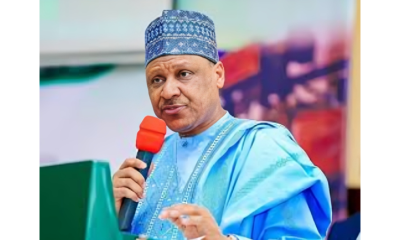

Idris Urges Bloggers, Content Creators to Uphold Ethics, Support Nation-building
ShareBy David Torough, Abuja The Minister of Information and National Orientation, Mohammed Idris, has called on bloggers, online content creators...


COAS Declares Open Army Inter-division Competition
ShareThe Chief of Army Staff (COAS), Lt.-Gen. Waidi Shaibu, yesterday declared open the Nigerian Army Inter-Division Combat Platoon Obstacle Crossing...

MainPower Restores Power Supply to Parts of Enugu in Darkness
ShareFrom Sylvia Udegbunam, Enugu MainPower Electricity Distribution Limited (MEDL) has restored power supply to parts of Enugu metropolis, which witnessed...

2027 Benue APC Crisis: Alia, Akume Separately Presents INEC Nomination Forms To State Assembly Loyalists
ShareFrom Attah Ede, Makurdi The crisis rocking the All Progressives Congress, (APC) in Benue State may not ends soon, as...


Was the World Cup 2026 a Success?
ShareBy Reuben Abati The straight-forward, honest and correct answer to the question raised above is: Yes. Spain won at the...
When healthcare stops being a promise
ShareBy Hassan Olayinka Every community has a hospital that tells a story. Some tell stories of neglect, where broken equipment...

FG Partners Dangote Cement, Boosts Affordable Housing Delivery
ShareBy Tambaya Julius, Abuja The Federal Government has reaffirmed its partnership with Dangote Cement Plc and other stakeholders in the...