
Agriculture
Covid 19: Buhari Boasts, Says Food Crisis Averted

By Mathew Dadiya, Abuja
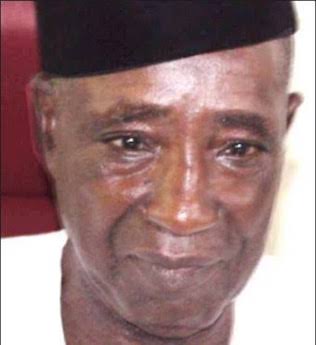
President Muhammadu Buhari Thursday said the COVID-19 pandemic exposed the level of preparedness of nations to shocks of food security, boasting that his administration’s wisdom in promoting self-sufficiency, over the years, helped significantly in averting an eminent food crisis.
But the Chief of Staff to the President, Prof Ibrahim Gambari postulated a diverse view lamenting that they hike in food prices has the ability to evolve to national food crisis if urgent action was not taken to curtail the situation.
The President said this at the National Food Security Council meeting held at the State House, Abuja.
President Buhari noted that there was need for more effort to increase food production and self-sufficiency, assuring that the Federal Government would continue to promote policies that favour investments in the agricultural sector.
“The coronavirus pandemic has illustrated more than any event in recent history how countries must strive harder to protect food systems. It has also exposed the limits of dependency on other countries.
“In the last five years we have recorded notable achievements. Despite the decline in GDP by 6.1 per cent in Q2 of 2020 as a direct result of coronavirus, the agricultural sector continued to grow because of government targeted policies.’’
President Buhari, who commended Nigerian farmers for contributing to the stability in food security, said the favourable rainy seasons should serve as encouragement for many to take up farming as a vocation.
“I am pleased to note that most Nigerians are taking advantage of the opportunities in the agriculture and agric-business sector. I want to assure you that this government will continue to support these initiatives and many more to come’’, he said.
Also yesterday, Buhari rolled out the Economic Sustainability Plan and sets goal for National Food Security by ordering the Central Bank of Nigeria ”not to issue a kobo” of the country’s reserves for the importation of food items and fertilizer.
At a meeting of the National Food Security Council at the State House, Abuja, President Buhari restated his earlier verbal directive to the apex bank, saying he will pass it down in writing that ”nobody importing food should be given money.”
The President emphasized the need to boost local agriculture, saying: ”From only three operating in the country, we have 33 fertilizer blending plants now working. We will not pay a kobo of our foreign reserves to import fertilizer. We will empower local producers.”
Buhari also directed that blenders of fertilizer should convey products directly to State governments so as to skip the cartel of transporters undermining the efforts to successfully deliver the products to users at reasonable costs.
The President advised private businesses bent on food importation to source their foreign exchange independently, saying ”use your money to compete with our farmers”, instead of using foreign reserves to bring in compromised food items to divest the efforts of our farmers.
”We have a lot of able-bodied young people willing to work and agriculture is the answer. We have a lot to do to support our farmers,” President Buhari said.
The meeting, chaired by the President with other key members of the Council in attendance, was briefed on the food security situation prevailing in the country.
Meanwhile, the Vice Chairman of the council and Governor of Kebbi State, Atiku Bagudu, the Chief of Staff to the President, Prof. Ibrahim Gambari and a Governor from each of the six geo-political zones – Jigawa, Plateau, Taraba, Ebonyi, Lagos and Kebbi, made presentations.
The Minister of Finance, Budget and National Planning, Dr Zainab Ahmed, outlined measures introduced by the administration to tackle the unprecedented challenges from the COVID-19 pandemic on the nation as contained in the Nigerian Economic Sustainability Plan (NESP).
Among others, the Minister highlighted that the government will facilitate the cultivation of 20,000 to 100,000 hectares of new farmland in every State and support off-take of agro-processing to create millions of direct and indirect job opportunities.
She also listed the creation of 774,000 direct jobs for a minimum of 1,000 young Nigerians in each local government, the construction of 300,000 homes every year to give a boost to jobs through the construction industry, as well as the connection of 25 million new users of electricity with the installation of Solar Home System (SHS) targeting 5 million households.
Ahmed also briefed on the joint investment with the World Bank to provide intervention fund to States to improve health infrastructure.
She said to ease existing financial hardships among the people, the government is also coming up with low-interest loans for mechanics, tailors, artisans, petty traders and other informal business operators.
The Minister added that the Federal Government will equally provide support to Micro, Small and Medium Enterprises (MSMEs) to help them keep their employees and boost local manufacturing.
Dr Ahmed explained that from the recently approved N2.3 trillion stimulus recommended by the NESP, there will be expansion of broadband connectivity to boost job opportunities in the digital economy, a planned expansion of the National Social Investment Programmes including increase in the number of beneficiaries such as the cash transfer beneficiaries, N-Power Volunteers, the Market Moni and Trader Moni schemes.
In his presentation, the Minister of Agriculture, Alhaji Sabo Nanono told the Council that the nation expects a bumper harvest of food items despite floods in the north and drought in the south.
He quoted the latest market surveys to show that the recent hike in the price of commodities is being reversed.
On his part, Mr Boss Mustapha, the Secretary to the Government of the Federation and Chairman of the Presidential Task Force on COVID-19, reported the negative impact of the pandemic on the lives and livelihood of citizens, while the Comptroller-General of Customs, Col Hameed Ali (Rtd) expressed the hope of an early reopening of the partially closed borders given the progress made with neighbouring States in joint border patrols – one of the key conditions by Nigeria for reopening of the borders.
Earlier in his remarks, Gambari had said that the recent surge in food prices was gradually evolving to a food crisis with the ability to threaten the nation’s food security.
He disclosed this when the secretariat of National Food Security Council, met with all agricultural commodity association, to ascertain the causes of the recent hike in food prices and craft mitigating strategies to what could be a potential crisis.
“Although various concerns were raised of the root cause of increase in commodity cost, we have been informed that prices are actually on the decline as new grains have been introduced to the market.
“For example, new maize which was previously sold for N25,000 per bag is now being sold between N12,000 and N17,000 and it’s expected to fall between N7,000 and N8,000 per bag by November 2020, according to the various leaders of agricultural commodity association. The price decline has also been experienced in millet, beans and sorghum”.
He urged participant at the retreat to work hand-in-hand to ensure the protection of the nation’s food basket.
”Agriculture is a major priority for this administration and the crucial driver for the development of the nation.
Therefore, the growth of the sector leaves no room for complacency and there is still a long arduous road to go before achieving those goals. However with determination, coordination and hard work, we have the capacity and will therefore demonstrate the wherewithal to our exceed our expectation,” he added.







From Attah Ede, Makurdi
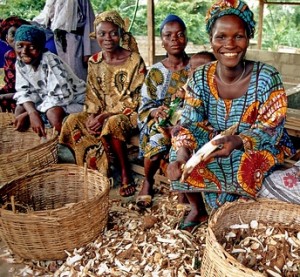
Olam Agri, in partnership with Sustainable Collective Advocacy for Africa Development (SCAAD) Initiative, is to launch the Community Resilience Opportunities for Women and Youth (CROWY) in Benue and Nasarawa States.
A press release by Elizabeth Nnoko Communication Manager, Olam Agri, said the CROWY Project is aimed at creating lasting positive change for women and youth across Nigeria’s North-Central region.
The Project ground-breaking initiative is designed to empower grassroots women and youth farmers, aligning with national development and gender equality objectives.
The project also, aims to strengthen livelihoods during off-farming seasons by equipping beneficiaries with strategic leadership skills, entrepreneurship training, and increased awareness on inclusion, gender equality, and early warning signs and systems related to Gender-Based Violence (GBV).
Delivered in collaboration with Rich-Oak Life Initiative, Sahel International Support Foundation, and Elikizi Foundation for Women and Youth Advancement, the CROWY Project seeks to close critical economic gaps by providing inclusive livelihood opportunities, access to cooperative financing, and leadership support for emerging women and youth-led enterprises.
“We aim to create 10 Village Savings and Loan Associations and support 100 of women and youth entrepreneurs within the first year in the fields of tailoring, baking amongst others.
“This intervention will expand economic opportunities, promote self-employment, and build sustainable and resilient livelihoods across the targeted communities.
“Across Nigeria, women, youth, and persons with disabilities continue to face systemic barriers to education, livelihoods, and leadership pathways. Recent statistics highlight the urgency of this challenge.
“In 2023, women’s labour force participation stood at just over 52%, down from nearly 57% in 2010 (Statista, 2023). Youth unemployment remains critically high, with 53% of Nigerians aged 15–24 unemployed or underemployed (World Bank, 2024).
“According to Nigeria’s Minister of Women Affairs, as of October 2025, approximately 70% of Nigerian women live in extreme poverty, unable to meet basic needs or sustain livelihoods
“These figures paint a stark picture of structural inequalities that continue to undermine national development and social stability”, the statement said.
On the part of SCAAD initiative, a Statement by Frances Okeke, Executive Director, stated that “Every day, we meet women and young people with immense creativity and resilience, yet without the support they need to thrive truly. Nigeria’s overlapping crises have made survival even harder for them, especially in farming communities where off-season periods often deepen economic vulnerability.
Okeke maintained the through the support of Olam Agri, the CROWY Project is stepping into this gap, offering practical skills, livelihood opportunities, and hope to grassroots women and youth.
Said he, “Together, we are equipping individuals not only to earn a living during non-farming seasons but also to lead, innovate, and uplift their communities. When women and young people are given the tools to succeed, entire communities become more resilient and rise with them.”
While Anil Nair, Country Head Olam Agri Nigeria added, “Our partnership with SCAAD Initiative on the CROWY Project reinforces our shared vision of resilient, empowered, and economically active communities. Women and youth are central to the future of agriculture in Nigeria and supporting them through targeted skills development and inclusive financing is essential for long-term national growth.
“Olam Agri will continue to champion initiatives that uplift vulnerable groups and strengthen the fabric of our communities.”
“Olam Agri and SCAAD Initiative invite government agencies, community leaders, NGOs, and development partners to join in supporting inclusive livelihood strategies. Collaboration is vital to building resilient, equitable communities.
“The partnership is committed catalyze efforts to enhance economic opportunities, promote self-employment, and build sustainable livelihoods for women and youth in conflict-affected communities”.

The Federal Government said African countries must shift from reactive, event-driven responses to predictive, risk-based and analytics-driven surveillance to meet the global target of Peste des Petits Ruminants (PPR) disease eradication by 2030.
PPR is a viral disease caused by morbillivirus closely related to rinderpest virus which affects goats, sheep and wild relatives of domesticated small ruminants and camels.
Permanent Secretary, Federal Ministry of Livestock Development, Dr.
Chinyere Akujobi said this in Abuja on Wednesday at the Regional Training on Strengthening Animal Disease Surveillance, Building Capacities for PPR Eradication and Trans-boundary Animal Diseases.The training was under the Framework of Implementation of the Pan-African PPR Eradication and other Sheep and Goat Disease Control Programme in West African Member Countries.
It was organised by the Food and Agriculture Organisation of the United Nations (FAO) in collaboration with the African Union-Interafrican Bureau for Animal Resources (AU-IBAR) with financial support from the European Union.
Akujobi urged every country to build surveillance systems that were smarter, faster and more collaborative.
She further urged strengthening coordination, adoption of modern tools and ensuring information-driven action.
“We must build stronger technical skills in participatory and risk-based surveillance; harmonise epidemiological procedures so that data generated across countries can be compared and acted upon.
“We must adopt modern tools for defining epi-systems, map high-risk zones and integrate these results into continental and global platforms and strengthen regional coordination structures and the Regional Veterinary Committee.
“These priorities speak directly to the core challenges of our region, uneven reporting, weak linkages between laboratories and field surveillance, fragmented information systems and gaps in cross-border coordination,” she said.
She said the presence of participants at the workshop demonstrated the collective commitment of the region in tackling diseases that continued to undermine livestock productivity, livelihoods and regional integration.
Akujobi urged the participants to approach the sessions with an evidence-driven mindset that reflected the complexity of today’s trans-boundary animal disease landscape.
“Our surveillance systems must be guided by real-time information and must incorporate digital tools that enable us to detect risks early and intervene quickly.
“At the same time, our countries must work in harmony, because a disease like PPR does not recognise administrative boundaries.
“It is essential that our systems speak to one another and that information flows seamlessly from community animal health workers to national databases and onward to regional and global systems.
“This gathering is more than a routine training session; it represents a strategic turning point for West Africa,” she said.
According to her, many African countries remain heavily affected by PPR, Foot and Mouth Disease, African Swine Fever, Anthrax, Highly Pathogenic Avien Influenza (HPAI) among other trans-boundary and zoonotic diseases that threaten food security.
“The small ruminant sector, in particular, supports millions of families, including women and youth whose livelihoods depend on healthy animals.
“Every outbreak that sweeps through our communities deepens vulnerability and disrupts social and economic stability,” she said.
She assured that Nigeria remained fully committed to regional solidarity and to the Pan-African PPR Eradication Programme.
Akujobi said the country was focused on strengthening the National Animal Disease Information System to improve reporting from across the federation, enhanced laboratory–field collaboration under the One Health approach.
According to her, Nigeria works closely with ECOWAS, AU-IBAR, FAO and World Organisation for Animal Health to align national actions with continental strategies.
The training targeted veterinarians, laboratory scientists, epidemiologists, wildlife experts, border authorities and pastoralist communities across West Africa.
Its goal was to strengthen national and regional systems to enable them to be better equipped to eradicate PPR.

The Federal Government, through the Kano State Special Agro-Processing Zone (SAPZ) Programme in partnership with IFAD, has empowered 9,870 rice farmers in Kano with climate-resilient inputs and modern rice production technologies.
This was contained in a statement issued by the SAPZ Knowledge Management and Communication Officer, Rabi Mustapha.
The State Project Coordinator, Aminu Iliyasu, disclosed this on Sunday during the Farmers Field Day at Chiromawa Garin Babba Cluster in Garun Malam Local Government Area.
He said the exercise was organised to expose the farmers to Science-based and practical solutions capable of enhancing yields, improving food security, and boosting rural livelihoods.
Iliyasu described the field day as a celebration of knowledge, innovation and the resilience of smallholder farmers.
He explained that the SAPZ initiative in Kano aimed to expand access to improved technologies, strengthen extension services, reduce post-harvest losses and create market opportunities for rural farmers.
“These innovations are not theoretical. They are practical solutions that farmers can adopt immediately to raise productivity and increase income,” he said, while commending the support of local authorities.
Mustapha said the inputs distributed to 9,870 farmers included FARO 44 improved seeds, Urea and NPK fertilizers, and insecticides, targeting beneficiaries in Garun Malam, Gezawa, Bichi and Bagwai LGAs during the 2025 wet season.
She added that experts trained farmers on soil selection, seed dressing, nursery establishment, land preparation, and timely transplanting at proper spacing.
“They also covered fertilizer management, weed control, Integrated Pest Management and water regulation to boost rice yields.
“The training emphasised harvesting at optimal maturity, drying paddy to safe moisture levels, and fumigation using phostoxin to prevent storage losses,” she stated.
A beneficiary, Salamatu Ali, said the intervention had positioned Kano farmers to boost yields, withstand climate pressures and increase household incomes.
Another farmer, Huwaila Ibrahim, said the programme transformed her approach to rice production.
“Before, we planted without checking whether the land was suitable.
“Now, we first assess the soil to ensure it matches the seed variety. This season, we cultivated FARO 44,” she said.
Ibrahim added that her output increased from 20–25 bags per acre to about 40 bags after adopting the improved technologies.


Thousands of Drivers Wrongly Fined for Speeding Since 2021
ShareThousands of drivers could have speeding fines cancelled after a fault saw some cameras falsely triggered on English A roads...


UK Unemployment Rate Rises to 5.1 Per cent
ShareThe UK unemployment rate in the three months to October has increased to 5.1%, according to official figures. That marked...


French Court Sentences Ex-DR Congo Rebel, Politician to 30 Years in Jail
ShareA French court has sentenced a former rebel leader and politician from the Democratic Republic of Congo to 30 years...


EEDC Explains Recent Decline in Power Supply across South-East
ShareThe Enugu Electricity Distribution Company (EEDC) has attributed the recent decline in power supply across the South-East to low electricity...

DMO Takes Sensitisation on Borrowing Guidelines to Northern States
ShareThe Debt Management Office (DMO) said that its World Bank-assisted workshop on borrowing guidelines was designed to intimate subnational entities...


Oborevwori Signs N1.729trn 2026 Budget, Three Other Bills into Law
ShareFrom Francis Sadhere, Delta Delta State Governor, Sheriff Oborevwori on Tuesday signed the 2026 Appropriation Bill of N1.729 trillion, tagged...

NCDMB Oil, Gas Parks Near Completion, Set for 2026 Inauguration
ShareThe Nigerian Content Development and Monitoring Board said its Nigerian Oil and Gas Parks Scheme, established to boost local manufacturing...

Nigeria Tops W’Africa’s Crude Refining as Other Countries Stages Competition
ShareNigeria is expanding its crude refining footprint in the face of apparent asset acquisition and development by other countries in...


AFCON 2025: Super Eagles Camp Swells to 22 Ahead Egypt Friendly
ShareThe Super Eagles camp in Cairo has grown to 22 players with the arrival of Blackburn Rovers defender Ryan Alebiosu,...


Hamann: Wirtz Made Wrong Choice Joining Liverpool
ShareLiverpool hero Didi Hamann believes Florian Wirtz made the wrong decision joining the Reds this summer. Wirtz, a £100m summer...